
Volunteer To Teach English in Costa Rica
Would you like to volunteer in Costa Rica and make a difference? Do you have a passion for the English language and love working with kids? Let IFRE plan your ultimate volunteer experience abroad.
Costa Rica is a beautiful country in Central America. Although small in size, it holds a wide variety of treasures, and you can find cloud forests, steamy tropical beaches, quaint country towns and cool mountaintops all within its borders.
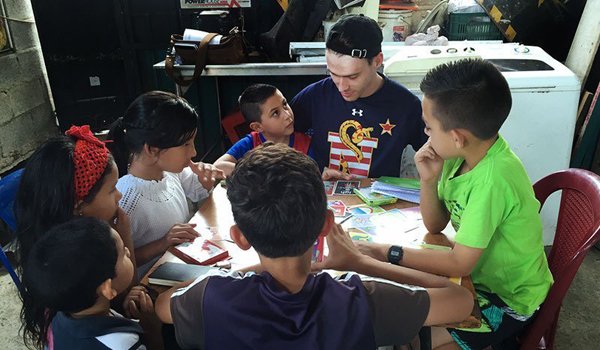
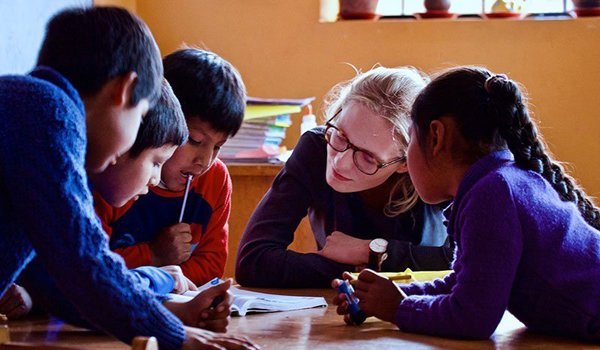
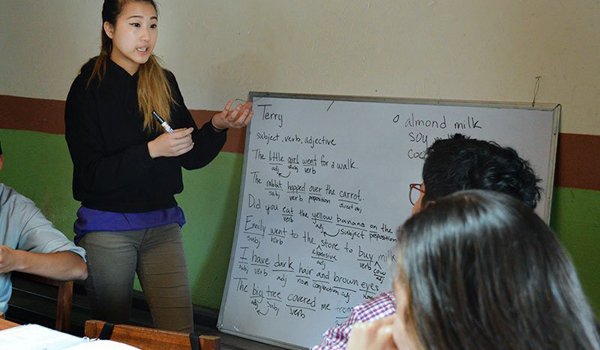
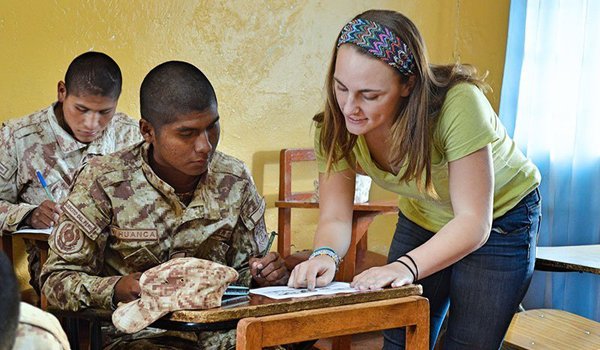
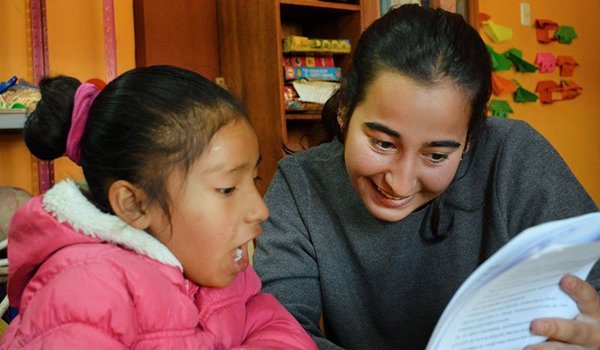
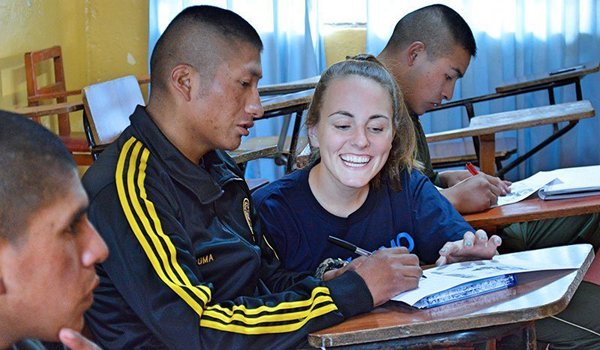
Although tourism brings in over 2 billion dollars a year into Costa Rica, only about 10% of the population currently speaks the level of English needed to communicate with those tourists. With over a million people living in poverty, this lack of education is preventing hard-working Costa Ricans from improving their financial situation.
IFRE teams up with local schools and underprivileged communities to help provide young Costa Rican students and adults a much-needed English language education. You will be helping the kids and adults learn conversational English, coming up with fun and engaging activities to get your students excited about their studies, and assisting the local teachers.
When you join the English teaching volunteer program in Costa Rica, you will be helping prepare kids and adults for bright futures with successful, well-paying jobs in the lucrative tourism industry. If you are working as, or studying to be, a teacher, this is a fantastic chance to gain practical experience teaching in a classroom while giving back to those in need.
Are you interested in making a difference for children in need while traveling? Then contact IFRE today to learn more about volunteering to teach English in Costa Rica!
Take a minute to complete the form and we will be in touch.
Volunteer Teaching in Costa Rica: At a Glance
Program Objectives
Delivering quality education, and supporting students
Program Start Dates
Programs begin every Monday
Volunteer Duration
Select from 1 to 12 weeks
Volunteer Commitment
Up to 5 hours per day
Eligibility
Volunteers 18 years and older, including families
Accommodation/Food
Host Family – 2 Home-Cooked Meals/Day (Breakfast and Dinner)
Skills and Qualifications
You don’t need any prior teaching experience to join the volunteer English teaching program in Costa Rica. However, you will need a firm grasp of the English language and a passion for teaching, along with the patience and enthusiasm required to offer a great educational experience for them. A background check is required for volunteers working with children.
Volunteers also need to be at least 18 years or older to join this program on their own. Volunteers below the age of 18 years old will need parental consent, and those below the age of 16 years old need to be accompanied by their parent, guardian, or faculty leader if they wish to volunteer.
Though not mandatory, it will be helpful to have basic Spanish skills. If you want to learn Spanish or improve your skills, we highly recommend that you enroll in our Spanish Immersion classes. We offer them while you volunteer, so it’s super convenient for you, and they will provide you with an opportunity to practice what you learn!
Volunteer Responsibilities and Impact
You will be helping teach conversational English to students and adults in a local school or community center. You will assist local teachers and engage the students in fun and exciting ways to learn English. You may organize extracurricular activities and help out in other ways as needed. Volunteers will work 4-6 hours per day, Monday to Friday. Work hours may be in the morning and afternoon depending on the project.
By volunteering in Costa Rica in the teaching English project, you will be paving the way for a bright and successful future for students and adults who do not have the financial means to learn English. They will grow up to be able to have more job opportunities, by breaking the cycle of poverty. You can feel amazing knowing you are making a huge positive impact on their lives.
Volunteer Schedule
Every day spent as an English teacher in San Jose, Costa Rica, will be filled with fun and exciting experiences.
Since you’ll be volunteering in a school, your hours and duties will likely revolve around the school schedule. Costa Rica’s public schools have extremely varied and often perplexing schedules. You’ll need to find the exact details of what hours you’ll be working once you receive your project placement, and they are likely to change on different days of the week.
Often, the strange hours come from overcrowding in the schools. They do not have enough classrooms or enough teachers for the number of students who need to attend, so some may come in the mornings, and others of a different age will come to study in that classroom in the afternoon. We encourage our Costa Rica Teaching English volunteers to be flexible and open-minded when it comes to their schedule.
First Day: On your first day of volunteering, our helpful in-country coordinator will escort you to the school at which you’ll be volunteering. You’ll meet the teachers you’ll be working with and have the chance to finally meet these amazing kids to whom you’ll be teaching English! We’ll give you an informative orientation session, and you’ll learn all about your project, your daily schedule, safety protocol, and the culture and customs of Costa Rica.
Weekdays: Your teaching begins on the second day, but keep in mind that your schedule is going to vary based on your placement. A typical day might look something like this:
7.00 to 7.30 AM: Share a typical breakfast with your welcoming Costa Rican host family. Usual fare includes gallo pinto, a delicious rice and beans dish, eggs, fresh fruit, and café con leche.
7.45 AM : Head out to the local school where you’ll be volunteering and get ready for an exciting day teaching English to your eager young students! Expect a wide range of possibilities when it comes to the actual hours of the day you’ll be working.
12.00 PM: Take a break for lunch.
3.00 PM : When you’re done volunteering for the day, you can do all kinds of fun things while exploring the city of San Jose. Go to museums, browse in local shops, eat at unique restaurants, or check out a play in the beautiful national theater!
6.45 PM : Return to your host family for a traditional Costa Rican dinner. The typical meal is a Casado. It includes rice, beans, some kind of salad, plantains, and a protein. Immerse yourself in the local culture and get a real taste of pura vida.
Dates and Fees
Program Dates
IFRE programs begin every Monday year-round. If you have travel constraints, you can still start your chosen program on any day of the year. Volunteers can participate in our program from 1 week to 12 weeks.
Fees
Since 2006, IFRE has been the most trusted and respected volunteer abroad organization in the world, and also the most affordable. We’re dedicated to providing the highest quality volunteer programs at the lowest fees, which makes it possible for everyone, especially students, to volunteer internationally and make a positive impact on the lives of others.
We believe in 100% transparency. Rest assured; we never use middlemen. Your one-time registration fee of $299 covers our administrative costs. The low weekly fee is paid in the host country directly to your host family and project (via country coordinator), and includes housing, food, and minor expenses. IFRE is a non-profit organization, so your program fees are tax-deductible.
Volunteer in Costa Rica Teaching Fees (US$)
| Weeks | San Jose | Manuel Antonio |
|---|---|---|
| 1 Week | $505 | - |
| 2 Weeks | $795 | - |
| 3 Weeks | $1,085 | $1,175 |
| 4 Weeks | $1,335 | $1,435 |
| 5 Weeks | $1,530 | $1,630 |
| 6 Weeks | $1,725 | $1,825 |
| 7 Weeks | $1,920 | $2,020 |
| 8 Weeks | $2,115 | $2,215 |
| 9 Weeks | $2,310 | $2,410 |
| 10 Weeks | $2,505 | $2,605 |
| 11 Weeks | $2,700 | $2,800 |
| 12 Weeks | $2,895 | $2,995 |
Comprehensive Travel Insurance $4.49/day
Spanish Immersion Classes
Manuel Antonio, Costa Rica(2-hour group/4- hour group)- $235/$470
San José, Costa Rica(2hour group/4-hour group) - $215/$430
The volunteering in Costa Rica program fees will cover expenses from the first day of the program to the last day of the program. If you arrive before the first day of the program or you decide you stay beyond your program’s last day, you will be responsible for any additional expenses.
Program Fees Cover:
- Shared Accommodation with host family
- 2 meals per day (Breakfast & Dinner)
- Program Orientation
- In-country support
- Personalized project
- Certificate of completion
- Discount for returning volunteers
Program Fees Exclude:
- Visas
- Airfare
- Lunch
- Personal expenses on soft drinks and foods
- Daily transportation
- Airport return transfer
Take a minute to complete the form and we will be in touch.
Accommodation and Meal
Our English teacher volunteers in Costa Rica will be staying with a welcoming host family. The accommodations are located in safe neighborhoods, and all our host families have been carefully selected. With them, you will also get an opportunity for cultural exchange.
You will be sharing a room with another volunteer of the same gender. Volunteer rooms are basic, clean and comfortable, and you will have access to showers, hygienic toilets and electricity. The volunteer projects may be walking distance from the accommodation or require public transportation.
Volunteers will be provided with 2 local meals a day (breakfast and dinner). We accommodate vegetarian needs.
Learn more about IFRE’s accommodations and meals in Costa Rica.
Program Location, Free Time, and Weekend Exploration
Location
Our Costa Rica teaching volunteer program is based in San José, the lively capital that blends urban charm with deep cultural roots. As a volunteer, you’ll engage with local schools and students in an energetic city atmosphere, gaining firsthand experience in education while enjoying the warm and welcoming spirit of Costa Rican communities.
Free Time
Teaching volunteers typically contribute 4–6 hours a day, Monday through Friday, leaving late afternoons and evenings open for personal time. You can explore bustling local markets, relax with a cup of Costa Rican coffee, or engage with locals to better understand the country’s language, traditions, and approach to education.
Weekend
Weekends are yours to enjoy, offering the perfect chance to explore Costa Rica’s incredible landscapes. Whether you’re hiking around the Arenal Volcano, spotting wildlife in Manuel Antonio, or soaking in hot springs, your weekends will be filled with unforgettable adventures that balance your volunteer experience with cultural discovery.
Discover what to do in your free time in San Jose, Costa Rica.
In-Country Support
Your safety is our primary concern, and we will be there for you every step of the way during your Costa Rica volunteer teaching journey. We go over every aspect of your trip and watch over you while you’re abroad with our awesome in-country staff, who you can reach out to at any time.
Learn more about IFRE’s safety and support in San Jose, Costa Rica.
Cultural Immersion Opportunities
As a Costa Rica teaching volunteer, you’ll have the rewarding chance to connect with local communities while making a lasting impact on children’s education. Staying with a warm and hospitable Costa Rican host family offers a true taste of daily life, enjoying home-cooked meals, taking part in household routines, and building meaningful relationships with the people around you.
Outside the classroom, you’ll be immersed in the vibrant spirit of Costa Rica. Whether you’re joining local celebrations, enjoying traditional music and dance, or participating in community events, each moment adds depth to your experience and strengthens your bond with the community you’re helping to educate and empower.
Take a minute to complete the form and we will be in touch.
Volunteer Testimonials
What people say about us
Teaching English requires creativity. You adjust based on students. I developed stronger communication skills and would recommend the program
- Liam, Ireland
It is not about perfect lessons. It is about helping students gain confidence. The support from IFRE made it easier to manage. I would recommend it. .
-Amelie, France
You learn to think on your feet. Some lessons go well, others do not, but that is part of it. I gained confidence and would recommend the experience .
- Jacob, USA
The environment is relaxed but still meaningful. The coordination helped keep things organized. I would definitely recommend it
- Sofia, Portugal
Frequently Asked Questions- FAQs
You can relax knowing that IFRE Volunteers takes care of all the important details of your trip. With years of experience in volunteer travel and international community programs, we provide guidance and support throughout your journey. Below are some commonly asked questions that may help you learn more about the Teaching English Project in Costa Rica.
Do I need teaching experience to volunteer to teach English in Costa Rica?
No. Previous teaching experience is not required to join the program. Many volunteers participate for the first time and successfully support local students through conversational activities, educational games, reading exercises, and classroom assistance. The most important qualities are patience, enthusiasm, adaptability, and a genuine desire to help others learn.
Can I volunteer to teach English in Costa Rica without a TEFL certificate?
Yes. You can join the teaching program without a TEFL or TESOL certificate. The project focuses mainly on conversational English support, classroom interaction, and educational assistance rather than formal licensed teaching.
What will I teach as an English volunteer in Costa Rica?
As an English teaching volunteer, you may help students with conversational English, vocabulary, pronunciation, grammar, reading, writing, and basic sentence formation. Volunteers often use creative and interactive teaching methods such as storytelling, songs, games, role-playing activities, and group discussions to make learning enjoyable and engaging.
Who will I teach in Costa Rica?
Depending on your placement, you may teach young children in local schools or community centers. English is becoming increasingly important in Costa Rica, and many students are excited to improve their communication skills with the support of international volunteers.
How long can I volunteer to teach English in Costa Rica?
Volunteers can usually participate for as little as one week or stay for several months, depending on availability and personal schedules. Many participants choose placements lasting two to four weeks to gain meaningful teaching experience and cultural immersion.
What is the minimum age to volunteer in Costa Rica?
The minimum age for independent volunteers is generally 18 years old. Participants under 18 may need parental consent before joining the program. Younger volunteers may also be able to participate when traveling with a parent, guardian, or organized group.
Is Costa Rica safe for volunteer teachers?
Yes. Costa Rica is considered one of the safest and most welcoming countries in Central America for international volunteers and travelers. IFRE Volunteers provides local support, orientation, accommodation arrangements, and airport pickup assistance to help volunteers feel comfortable and supported throughout their stay.
Where do volunteers stay during the teaching project?
Most volunteers stay with carefully selected local host families during their placement. Living with a host family allows volunteers to experience authentic Costa Rican culture, enjoy traditional home-cooked meals, and practice basic Spanish in everyday situations.
Are meals included in the Costa Rica volunteer program?
Yes. The program usually includes two meals per day, typically breakfast and dinner. Meals often feature traditional Costa Rican dishes prepared with fresh local ingredients such as rice, beans, vegetables, tropical fruits, eggs, and plantains.
Can I volunteer to teach English in Costa Rica as a college student?
Yes. This program is very popular among college and university students. Students studying education, languages, international development, social sciences, and related subjects often join the program to gain international experience while contributing positively to local communities.
Do I need to speak Spanish to teach English in Costa Rica?
No. Spanish is not required to participate in the teaching project. Most programs are designed for international volunteers who primarily speak English. However, learning a few basic Spanish phrases can make communication easier and help you connect more deeply with the local culture and community.
What are the benefits of volunteering abroad in Costa Rica?
Volunteering abroad in Costa Rica combines meaningful community service with cultural immersion and personal growth. Volunteers gain international teaching experience, develop communication and leadership skills, learn about Costa Rican culture and traditions, and build friendships with people from around the world. Many participants return home with greater confidence, valuable life experiences, and unforgettable memories.
What is a typical day like for English teaching volunteers?
A typical day usually begins with breakfast at the host family’s home before traveling to the school or community center. Volunteers spend several hours teaching English, supporting classroom activities, organizing educational games, and assisting local teachers. Most projects finish in the early afternoon, leaving volunteers free to relax, spend time with their host families, or explore the local area.
How many hours do volunteers teach each day?
Most volunteers teach approximately 4 to 6 hours per day from Monday to Friday. Exact schedules may vary depending on the local school timetable, which is usually shared during orientation after arrival in Costa Rica.
Can I travel around Costa Rica during my free time?
Yes. Volunteers have plenty of opportunities to travel and explore Costa Rica during weekends and free time. The country is famous for its beaches, volcanoes, rainforests, waterfalls, wildlife reserves, coffee plantations, and adventure activities such as surfing, hiking, and zip-lining.
Is airport pickup included in the volunteer program?
Yes. Airport pickup assistance is included. Volunteers are typically picked up from Juan Santamaría International Airport in San José by a local coordinator or program representative upon arrival.
Why is English important in Costa Rica?
English is becoming increasingly valuable in Costa Rica because tourism and international business are important parts of the country’s economy. Strong English skills can help students access better educational opportunities and improve their future career prospects in areas such as tourism, hospitality, customer service, and international trade.
Can families or groups volunteer together in Costa Rica?
Yes. Families, friends, school groups, and corporate teams can often volunteer together, depending on placement availability. Group volunteering can be a meaningful experience that allows participants to support local communities while sharing cultural experiences and creating lasting memories together.
What should I pack for a teaching volunteer trip to Costa Rica?
Volunteers are encouraged to pack lightweight and comfortable clothing suitable for a tropical climate. Useful items include comfortable walking shoes, modest clothing for teaching, sunscreen, insect repellent, a rain jacket, a reusable water bottle, personal medications, and any educational materials you may wish to share with students.
Are there volunteer opportunities in Costa Rica for gap year students?
Yes. Costa Rica is a very popular destination for gap year volunteering. Many gap year students choose Costa Rica because it offers a combination of meaningful volunteer work, cultural immersion, language learning, and adventure travel opportunities.
How does volunteering to teach English help local community children?
Teaching English can create long-term benefits for local students by improving educational opportunities and increasing future career possibilities. English language skills can help students pursue opportunities in tourism, hospitality, international business, higher education, and global communication.
Is volunteering abroad in Costa Rica worth it?
Many volunteers describe their experience in Costa Rica as rewarding and life-changing. The program offers a unique combination of travel, cultural exchange, personal growth, and meaningful community involvement, making it an unforgettable international experience.
Why do Teaching Volunteering in Costa Rica with IFRE?
Trusted Since 2006 – Join a global network of over 22,000 volunteers who have chosen IFRE for meaningful, safe, and life-changing volunteer journeys across the globe.
Affordable and Impactful – Starting at just $505/week, this teaching volunteer program in Costa Rica is cost-effective.
Your Safety is Our Commitment – Every detail of your placement is carefully organized to ensure a secure, smooth, and enriching experience.
Travel to a new country - Costa Rica is one of the most sought-after travel destinations. A world of rainforests, exotic wildlife, rushing waterfalls, etc.
Gain teaching experience - The experience you gain teaching in Costa Rica will look great on your resume and teach you valuable professional skills.
Practice your Spanish - Practice your Spanish with your students and build your own language skills!
Other Volunteering Opportunities in Costa Rica
You can make a difference in a multitude of ways in Costa Rica. You can join any of our following projects:
- Childcare
- Medical & Healthcare
- Construction
- Eco-Agriculture
- Volunteer Vacation
- Sea Turtle Conservation
Contact IFRE today to learn more!
Volunteer Destinations
Teaching Volunteering Programs in Other Countries
Take a minute to complete the form and we will be in touch.
