
Volunteer in Namibia
Have you always dreamed of visiting Namibia? Would you like to contribute to improving the lives of disadvantaged people and animals? Consider volunteering abroad with IFRE for an unforgettable experience!
Namibia is a country full of amazing things to see and do! From the stunning Namib Desert with its huge dunes to the exciting wildlife in places like Etosha National Park, there's so much beauty to explore.
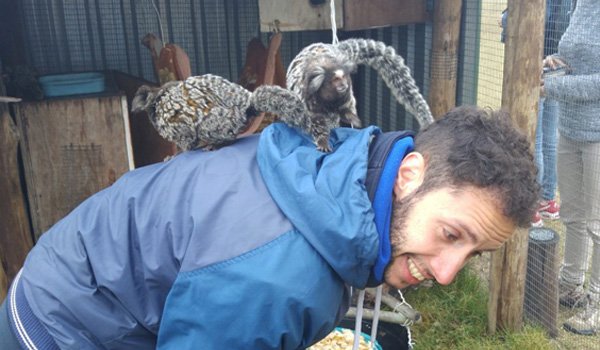
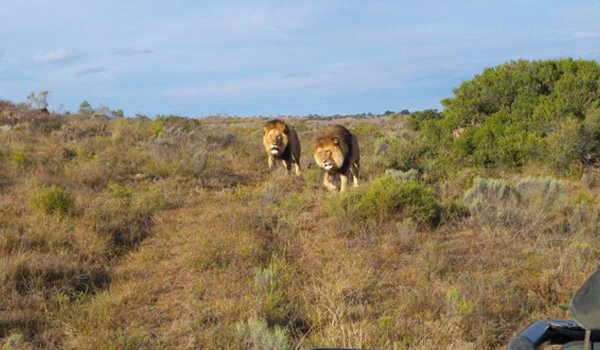
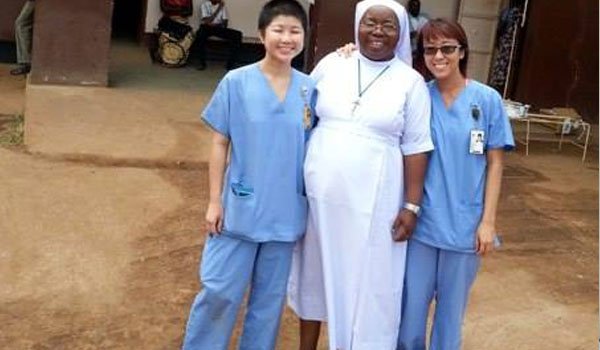
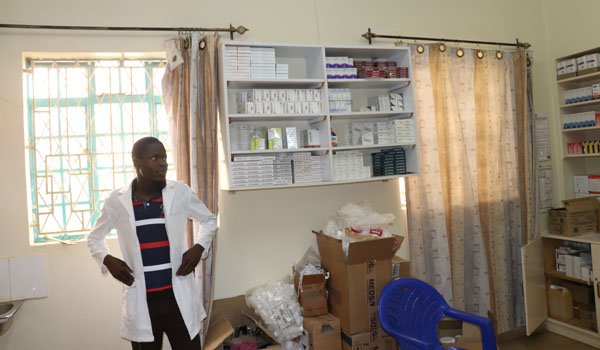
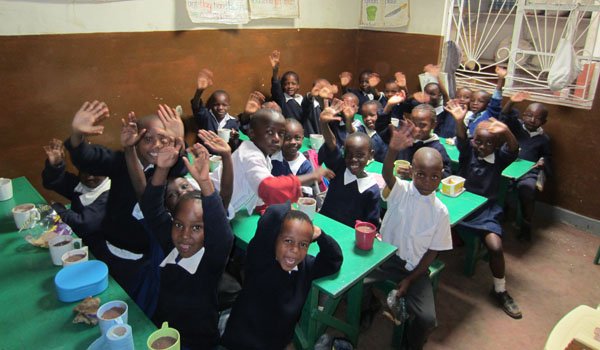
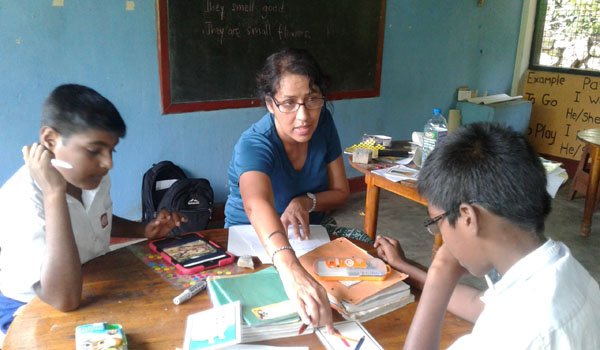
You can also learn about the diverse cultures of Namibia, like the Himba and San communities, which have their own unique traditions. For some adventure, you can try activities like sandboarding or quad biking in Swakopmund.
Despite its natural and cultural beauty, Namibia faces several challenges. Poverty is widespread, and many communities lack access to essential services like healthcare and education. Medical facilities are often insufficient, leaving people without proper treatment and care.
Additionally, there is a shortage of qualified English teachers, limiting educational opportunities for children and hindering their ability to access higher-paying jobs in the future. Furthermore, Namibia's wildlife is under threat, with declining populations of iconic species due to habitat loss, poaching, and human-wildlife conflict. This is where IFRE’s Namibia volunteer programs come in.
When you join our volunteer programs, you’ll make an enormous impact on vulnerable Namibians living in crushing poverty. You can work in health care, teach English, or participate in a wildlife conservation program. Be a catalyst for change and a more positive future for the people and wildlife of Namibia. Request information about volunteering in Namibia and learn more today!
Take a minute to complete the form and we will be in touch.
Available Volunteer Projects in Namibia
Namibia Wildlife Rescue Volunteer Project

Duration: 2 - 12 Weeks
Volunteers Aged 18+ And Families
4-5 Hours Volunteering Monday to Friday
Program Fee Starts From $1096 For 2 Weeks
Volunteer to protect wildlife and their habitats.
Teaching English Volunteer Program
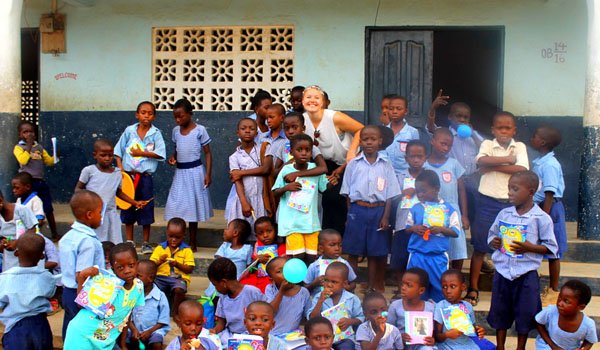
Duration: 2 - 12 Weeks
Volunteers Aged 18+ And Families
4-5 Hours Volunteering Monday to Friday
Program Fee Starts From $1096 For 2 Weeks
Empower communities by teaching English
Medical Volunteer Project

Duration: 2 - 12 Weeks
Volunteers Aged 18+ And Families
4-5 Hours Volunteering Monday to Friday
Program Fee Starts From $1096 For 2 Weeks
Support healthcare in underserved communities.
Program Dates
Our volunteer programs in Namibia start on Sundays each week, so we request that you arrive the day before, on Saturday.
Our Fees
Since 2006, IFRE has been the most trusted and respected volunteer abroad organization in the world, and also the most affordable. We’re dedicated to providing the highest quality volunteer programs at the lowest fees, which makes it possible for everyone, especially students, to volunteer internationally and make a positive impact in the lives of others.
We believe in 100% transparency. Rest assured, we never use middlemen. Your one-time registration fee of $299 covers our administrative costs. The low weekly fee is paid in the host country directly to your host family and project (via country coordinator), and includes housing, food, and minor expenses. IFRE is a non-profit organization, so your program fees are tax-deductible.
Namibia Volunteer Program Fee (USD)
| Weeks | All Projects |
|---|---|
| 1 Week | - |
| 2 Weeks | $1,096 |
| 3 Weeks | $1,644 |
| 4 Weeks | $2,192 |
| 5 Weeks | $2,740 |
| 6 Weeks | $3,288 |
| 7 Weeks | $3,727 |
| 8 Weeks | $4,067 |
| 9 Weeks | $4,431 |
| 10 Weeks | $4,765 |
| 11 Weeks | $5,155 |
| 12 Weeks | $5,529 |
Program Fees Cover:
- Accommodation
- Food
- Airport Pick up/Transfer
- Program Orientation
- In-country support
- Personalized project
- Pre-departure information
- Certificate of completion
- Fundraising ideas and letters
- Discount for returning volunteers
Program Fees Exclude:
- Visas
- Airfare
- Personal expenses on soft drinks and foods
- Daily transportation
- Airport return transfer
Take a minute to complete the form and we will be in touch.
Accommodation-Room/Food/Supervision
IFRE ensures that volunteers in Namibia are provided with safe, clean, and comfortable accommodations, along with suitable meal options. At the Wildlife Sanctuary, volunteers stay in a simple yet cozy tented house where single beds and bedding will be provided. Communal shower and toilet facilities are available, powered by solar energy. Electrical sockets are accessible in communal areas. Accommodation is typically in twin or triple share tents, equipped with linen and towels, and volunteers are provided with three meals a day, with most dietary needs catered for. Laundry service, access to a pool, and gym sessions are available, along with a bar/shop offering snacks, drinks, and essential items, including free Wi-Fi and cell phone credit.
In Kanaan, volunteers are housed in twin or quadruple share rooms with similar amenities, including three daily meals, laundry service, pool access, and a bar/shop. Limited cell phone reception and free Wi-Fi are provided at specific times. At Harnas, volunteers stay in triple-share cabins with provided linen and towels, three daily meals, laundry service, pool access, and a bar/shop. Electricity is solar-powered with limited availability for high-energy devices. Cell phone reception and Wi-Fi are available.
Free Time
Many volunteers in Namibia have longed to visit Africa. While dedicating time to volunteering, they also wish to explore safaris and witness wildlife. IFRE ensures volunteers have ample free time for exploration, with local staff available to assist in travel plans. Volunteers can enjoy evenings and weekends to discover Namibia's beauty and make unforgettable memories.
In-Country Support
Upon your arrival in Namibia, you'll be supported by a team of experienced in-country field staff. These individuals are mature, educated, and dedicated to humanitarian work, with extensive experience in collaborating with international volunteers. Your main point of contact will be the in-country coordinator, who will assist you with various arrangements, such as selecting your volunteering project placement, organizing airport transfers, accommodation, and meals.
They will also provide you with an orientation covering cultural insights, safety guidelines, and details regarding your service work. Additionally, the coordinator will introduce you to your host family and project staff and remain available for any questions, issues, or advice throughout your volunteering experience. Periodic check-ins will be conducted to ensure your well-being and progress.
Learn more about the safety features and field support offered by IFRE.
Take a minute to complete the form and we will be in touch.
Volunteer Testimonials
What people say about us
Namibia felt completely different from anywhere I’ve been, quiet, wide open, and kind of humbling. I’d definitely recommend this program.
- MDaniel, USA
It’s not a typical destination, and that’s exactly why I liked it. It felt more personal, and IFRE staff made me feel welcome throughout .
- Hugo, France
You get space to think, to observe, and to actually experience the place. I’m really glad I chose Namibia for volunteering.
- Isla, UK
The landscapes alone are worth it, but it’s the experience of being there that really stays with you .
- Leonie, Germany
Frequently Asked Questions-FAQs
At which airport do I need to arrive?
You will fly into Windhoek Hosea Kutako Airport (WHK).
Do you organize airport pick-up for volunteers?
We’ll arrange your airport pick-up when you arrive for your volunteer program in Namibia. Just provide us with your trip details in advance, and our local staff will meet you at the airport.
What happens if I miss my flight or arrive late?
Don’t worry if your flight is delayed; we’ll adjust your pick-up arrangements as needed. You’ll receive contact information and the accommodation address in your placement packet. Please reach out to us right away if there are any changes, and we’ll either set up a new pick-up time, or you can use a local taxi to get to the accommodation.
If my project begins on Monday, when should I arrive? If I want to arrive earlier than the day when my assignment begins, where do I stay, and who will organize the accommodation? Does it cost me extra?
It's a good idea to arrive early if you can. We recommend arriving one day before your program starts. Since all our volunteer programs in Namibia begin on Monday, arriving on Sunday will give you a chance to rest and start the project feeling refreshed. You can stay at our accommodation for an additional cost for extra days if you arrive earlier, which covers food and accommodation. Just let our in-country coordinator know your plans, and they’ll assist with the arrangements.
Who will bring me to the airport for my departure?
We don’t offer transportation for volunteers after their projects end. However, our local staff can help you arrange a ride to the airport for your departure. Please keep in mind that you’ll need to cover the cost of this transportation, so plan your budget accordingly.
What do I need prior to departure from my home country?
To prepare for your Namibia volunteer trip, follow these steps:
- Visit your doctor to get any necessary vaccinations.
- Purchase your flight tickets and send your itinerary to our in-country coordinator for airport pick-up arrangements.
- Plan your budget to cover unexpected costs and daily transportation to your project.
- Obtain travel insurance and make sure you have your visa sorted out.
What should I expect during the Namibia volunteer program orientation?
The Namibia volunteer program orientation is designed to help international volunteers settle and feel prepared from day one. You will receive a detailed briefing from the local coordinator covering safety guidelines, cultural etiquette, project expectations, daily schedules, transportation options, and emergency procedures. This session ensures you are fully ready for your volunteering in Namibia experience. Will I have internet and mobile access during my volunteer stay in Namibia? Yes. Volunteers in Namibia generally have access to mobile networks and internet services in Windhoek and surrounding areas. However, connection speeds may vary depending on location, especially in more remote project sites. We recommend purchasing a local SIM card upon arrival, which the local staff can help you arrange during your Namibia volunteer program orientation, making it easier to stay connected during your volunteer in Namibia journey. Can I store my luggage if I arrive early, before my volunteer program starts in Namibia? Yes. If you arrive early for your volunteer program in Namibia, you can safely store your luggage at the volunteer accommodation arranged by the local team. This allows you to explore or rest without worrying about your belongings before your Namibia volunteering program begins. Is transportation included during the Namibia volunteer program? Transportation from the airport is included as part of the Namibia volunteer program support. However, daily transportation to project sites may vary depending on the location. In most cases, volunteers either walk or use local transport arranged with guidance from the in-country coordinator. What should I do if I lose my documents during my Namibia volunteer trip? If you lose important documents during your Namibia volunteer experience, immediately inform the local coordinator. The support team will guide you through contacting your embassy and assist with the necessary steps to ensure your safety and support the document replacement process, so you can continue your volunteer program in Namibia with minimal disruption.
Where are the projects located?
IFRE’s Namibia volunteer programs are based near the capital city, Windhoek.
Is there a minimum and a maximum stay?
Our projects typically range from two to twelve weeks. However, some projects may require a longer minimum commitment. Please check the project pages for specific details.
Can I extend my stay if I choose to?
Yes, international volunteers in Namibia can extend their stay. You can easily extend your travel visa if needed. We can also help you find additional volunteer projects to join during your extended visit.
Will I have enough time to travel after work and during the weekends?
Our programs are designed with flexibility, giving you plenty of free time to explore Namibia’s stunning landscapes after work and on weekends. You’ll have ample opportunity to enjoy this amazing destination.
Can I travel around Namibia during weekends while volunteering?
Yes. Volunteers use weekends to explore Namibia. Our volunteer program is designed to allow free time so you can visit local attractions, national parks, and cultural sites while still fulfilling your volunteer responsibilities.
Who will guide or support me in my project?
Our in-country coordinator will be there to support and supervise you throughout your volunteering project in Namibia. Additionally, our local staff will stay in touch through regular field visits or via email and phone. Expect field staff visits every two to four weeks to ensure everything is running smoothly.
Can I switch projects if I do not like the one that I chose?
Yes, you can switch projects if you’re struggling or feeling uncomfortable. However, we strive to ensure that all participants have a positive and fulfilling experience, so project changes are quite uncommon. If you need to discuss this option, please contact your in-country coordinator.
Can I work in more than one volunteer program in Namibia at once?
Yes, you can participate in multiple Namibia volunteer programs if you’d like. Just reach out to our country coordinator to start the application process for additional programs.
Keep in mind that each project requires a commitment of at least four to five hours per day, so managing multiple projects simultaneously can be challenging. A more feasible option might be to spend part of your time with one project and switch to another for the remainder of your trip.
How old do I need to be to participate?
You need to be at least 18 years old to participate. If you're under 18, you must provide a valid parental consent form from your parents or legal guardians for approval. Minors can also volunteer alongside their parents.
Who manages the volunteer projects in Namibia?
Once you arrive in Namibia, you’ll have multiple layers of support. Our in-country coordinator will oversee your program from start to finish, and the local staff at your project will provide additional support and guidance. IFRE is committed to offering field support to ensure you have a rewarding and enjoyable experience.
Will I receive training before the start of my volunteer placement?
IFRE provides training before starting any volunteer placement. The specifics of the training will depend on the project's requirements and complexity. Upon arrival in Namibia, you'll typically attend an orientation session led by our country coordinator and local staff. This training will cover your service work, project schedule, safety guidelines, and insights into Namibian customs and culture.
Is there a dress code in the Namibia volunteering Program?
There is no formal dress code, but we recommend that international volunteers in Namibia wear modest and respectful clothing.
Can I choose my specific volunteer project location in Namibia?
Volunteer placements in Namibia are assigned based on project needs, your skills, and availability. While most projects are based near Windhoek, we always aim to match volunteers with the most suitable placement for a impactful volunteer experience in Namibia. Preferences can be noted, but flexibility is important for successful volunteering in Namibia.
What types of volunteer projects are available in Namibia besides healthcare?
In addition to healthcare volunteering in Namibia, we also offer opportunities in childcare, teaching English, and wildlife conservation. These diverse options allow you to choose a Namibia volunteer program that aligns with your interests while contributing to local communities and conservation efforts.
What kind of accommodation is provided for volunteers in Namibia?
Volunteers will stay in shared tents accommodating two to four people per tent, providing a comfortable and communal living experience with fellow participants. All linen is provided, so there is no need to bring bedding. This setup encourages cultural exchange and connection during your Namibia volunteering experience.
Can couples or friends volunteer together in Namibia?
Yes. Couples and friends are welcome to join volunteer projects in Namibia together. We always try to place them in the same accommodation and, where possible, the same project.
Why pay to volunteer abroad?
IFRE is a non-profit organization dedicated to providing transformative volunteer programs in 19 countries around the world. We focus on supporting local development projects that improve the lives of people in underprivileged areas.
Our application fees cover the costs associated with running and managing our programs, including utilities, rent, advertising, staff salaries, and company taxes. Project fees are directly paid to host families and the projects you work on, so you can be assured that your contributions are going directly to where they’re most needed.
Why are IFRE’s fees so much more affordable than those of other volunteer organizations?
IFRE is committed to non-profit principles and does not seek to make a profit from its volunteer projects. We avoid hidden costs and middlemen, reducing unnecessary expenses. As a financially transparent organization, we collaborate with various international partners to offer the most affordable and impactful volunteer opportunities.
Can I get a tax deduction?
As a 501(c)(3) organization, IFRE can offer tax deductions for those who participate in its volunteer projects.
Can I get help to raise funds?
Yes, we offer support to help you raise funds for your volunteer trip to Namibia. Contact IFRE for more information.
For further readings:
Cost /money matter
Why to pay for volunteer abroad
How to reduce the cost of volunteer abroad
Pay fee directly to host family
What is included in the Namibia volunteer program fee?
The Namibia volunteer program fee typically includes accommodation, meals, airport pickup, orientation, in-country support, and project placement. This ensures volunteers have a structured, safe, and well-supported experience throughout their volunteering time in Namibia.
Are there any hidden costs in the Namibia volunteer program?
No, our Namibia volunteer programs are fully transparent, with no hidden costs. However, volunteers should budget separately for personal expenses, international travel, visa fees, insurance, and weekend travel during their volunteer experience in Namibia.
Can I pay my Namibia volunteer fee in installments?
Yes. The Namibia volunteer program fee can be paid in installments. You can contact us to arrange a flexible payment plan that suits your needs while planning your volunteering trip in Namibia.
What currency should I use for payments and daily expenses in Namibia?
The official currency of Namibia is the Namibian Dollar (NAD), which is commonly linked to the South African Rand (ZAR). Volunteers are advised to carry a mix of cash and cards for convenience during their Namibia volunteer program, especially when traveling beyond major cities.
Is there a refund policy if I cancel my Namibia volunteer program?
Yes, IFRE offers a refund policy based on the timing of cancellation. Refund amounts may vary depending on administrative and placement costs already incurred. It is recommended to review the cancellation terms carefully before confirming your Namibia volunteer program. Once the program has started, refunds are not available.
Is it safe to travel in Namibia?
Yes, Namibia is safe for travelers. At IFRE, the safety of our volunteers is a top priority. However, all international tourists need to be informed about safety precautions. We encourage you to research the necessary safety measures for Namibia before you travel. Staying informed will help ensure a safer and more enjoyable experience.
What safety measures should I take?
You’ll be picked up from the airport and transferred safely to the hostel. Once you arrive, we’ll provide an orientation session where we’ll cover safety measures, project sites, local customs and culture, as well as important dos and don’ts for a comfortable, safe, and productive volunteering experience. Additionally, it’s important to take standard safety precautions, such as avoiding dangerous areas alone, not walking at night, staying alert, and not carrying large amounts of cash.
What happens if I get sick?
While in Namibia, you don’t need to worry about your health. Our on-site staff will closely monitor and assess your well-being. If you fall ill, our in-house coordinator and support team will take you to a nearby clinic or hospital if necessary. Just make sure to bring your passport and a copy of your insurance policy to show the doctor.
Why must I get travel insurance before beginning my volunteer trip to Namibia?
Reliable travel insurance is required for all IFRE volunteers to ensure you’re covered in case of any issues. This insurance will protect you if your trip is canceled, if you need medical treatment, if you need to return home, if your belongings are stolen, or if you have an accident.
What Vaccinations do I need?
Vaccinations are strongly recommended for volunteers traveling to Namibia due to potential health risks. You should check the Centers for Disease Control’s travel health recommendations at www.cdc.gov. Key vaccinations for Namibia include tetanus and diphtheria, hepatitis A, typhoid, rabies, and hepatitis B. For personalized health advice and additional vaccine recommendations, consult your doctor.
What are the principal health risks for volunteering in Namibia?
The primary health risks that you should be aware of while traveling in Namibia are malaria, HIV/AIDS, cholera, hepatitis B, rabies, typhoid, yellow fever, and tuberculosis.
For further readings:
Vaccination
Volunteer Health and Safety
Safety Tips for Your Volunteer Abroad Trip
How does IFRE ensure volunteer safety in Namibia?
We provide local coordinators, safe accommodation, structured orientations, and regular field visits. Volunteers are always supported by in-country staff during their entire stay.
What should I do in case of an emergency in Namibia?
You should immediately contact your local coordinator. Emergency contact numbers are provided upon arrival, and support is available 24/7.
Is Namibia safe for solo female volunteers?
Yes. Namibia is safe for solo female volunteers, especially within structured programs. Volunteers are advised to follow safety guidelines such as avoiding isolated areas at night and staying with groups when traveling.
Will I have access to medical assistance in Namibia?
Yes. Medical assistance is available in Windhoek and the surrounding areas. IFRE staff will assist volunteers in reaching clinics or hospitals if needed and will support them throughout the process.
What support will I receive during my Namibia volunteer placement?
Volunteers receive full in-country support, including airport pickup, orientation, regular supervision, emergency assistance, and ongoing communication with local coordinators.
Can I contact my family easily during my Namibia volunteer trip?
Yes. Volunteers can stay in touch with family using mobile networks, internet access, and Wi-Fi available at accommodation or nearby cafes.
You need to secure a tourist visa to enter and volunteer in Namibia unless you're from a visa-exempt country. The specific requirements and application process for a tourist visa can vary based on your nationality. It's important to check with the nearest Namibian embassy or consulate for the most up-to-date information regarding visa requirements and application procedures. Generally, you'll need to submit an application form, a valid passport with at least six months' validity, proof of sufficient funds for your stay, a return ticket, and sometimes additional documents such as a letter of acceptance in the program or proof of accommodation.
Can IFRE help me with my Namibia visa application?
Yes. IFRE provides guidance and support for your Namibia visa application. However, the visa must be obtained by the volunteer from the relevant embassy or consulate.
How long does a Namibia tourist visa take to process?
Processing time for a Namibia tourist visa varies by country but generally takes a few days to a few weeks. We recommended applying well in advance of your volunteer program start date.
Can I extend my visa while volunteering in Namibia?
Yes. Namibia tourist visas can be extended. Volunteers should consult local immigration authorities for specific extension procedures.
Do I need a return ticket for Namibia volunteer visa approval?
Yes. Most visa applications require proof of a return or onward flight to confirm your departure from Namibia after your volunteer stay.
What happens if my Namibia visa is rejected?
You should contact IFRE immediately. We will help reschedule your program or guide you on reapplication steps.
Can volunteers enter Namibia multiple times during their stay?
This depends on the visa type issued. Volunteers should ensure that their visa allows multiple entries if they plan to travel outside Namibia during their program.
Volunteering in Namibia might feel overwhelming at first, especially when deciding what to pack. For your trip, make sure to bring:
Pollution mask, Power adapter, Toiletries, Medicines, first aid kit, Passport, visa, and flight tickets, Travel insurance, rolling suitcase, Insect repellent, filtered water bottle, Power bank, Earplugs, Hand sanitizer, Sleep mask, Sunscreen, etc. IFRE provides bedding, but you’re welcome to bring a sleeping bag if you prefer.
Do I need special clothing for volunteering in Namibia?
No. However, volunteers should pack modest, comfortable clothing suitable for warm days and cooler evenings. For healthcare, you must bring a white coat or an apron.
Should I bring my own medical equipment for volunteering in Namibia?
Healthcare volunteers may bring basic personal tools like stethoscopes or scrubs, but most clinical supplies are provided at the project site.
Is laundry service available for volunteers in Namibia?
Yes. Laundry facilities are available for volunteers in Namibia. Volunteers may choose to do their laundry themselves using the facilities available at the accommodation, or they may use local laundry services in the area for an additional cost. No worries. IFRE’s local team will assist you with this.
Can I buy essentials in Namibia after arrival?
Yes. Essential items such as toiletries, SIM cards, and snacks are easily available in Windhoek and nearby stores.
Should I bring cash or rely on cards in Namibia?
It is recommended to bring a combination of cash and card. Cash is useful for small expenses and transport, while cards are accepted in larger establishments.
What type of luggage is best for Namibia volunteer travel?
A rolling suitcase or durable backpack is best for Namibia volunteer programs. This allows easy travel between the airport, accommodation, and project sites.
We hope this helps you feel prepared for your volunteer trip. For more information about volunteering in Namibia, contact IFRE today!
Popular Articles
Other Volunteer Destinations
Take a minute to complete the form and we will be in touch.
