
Namibia Wildlife Rescue Volunteer Program
Do you have a love and passion for animals and conservation? Would you like to volunteer in Namibia to conserve wildlife? If this sounds like you, then volunteering in a wildlife project in Namibia will be perfect for you.
Namibia is a stunning country, renowned for its breathtaking landscapes, diverse wildlife, and rich cultural heritage. With its vast deserts, towering dunes, rugged mountains, and expansive savannas, Namibia offers a diverse range of natural beauty to explore.
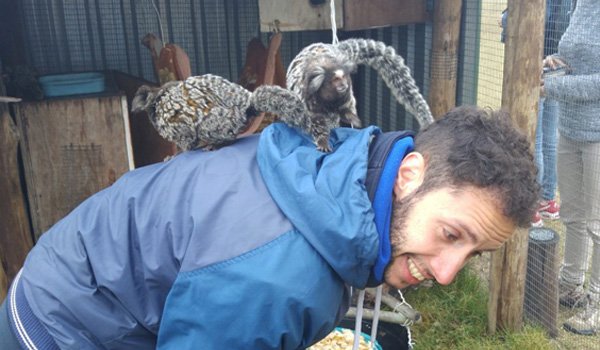
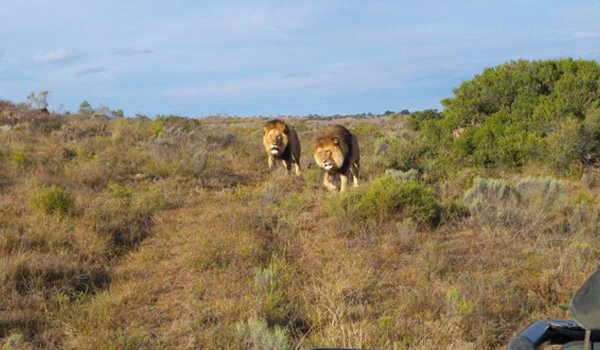
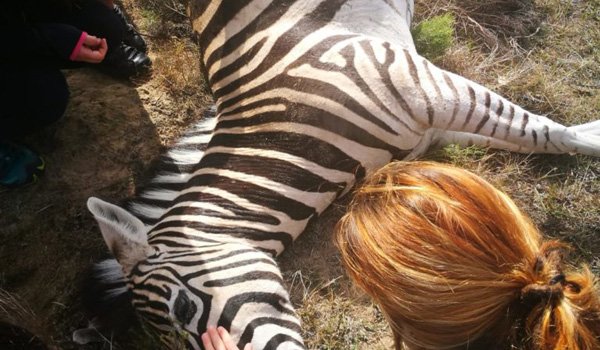
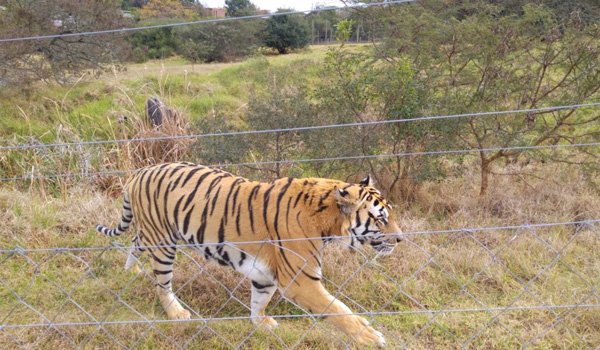
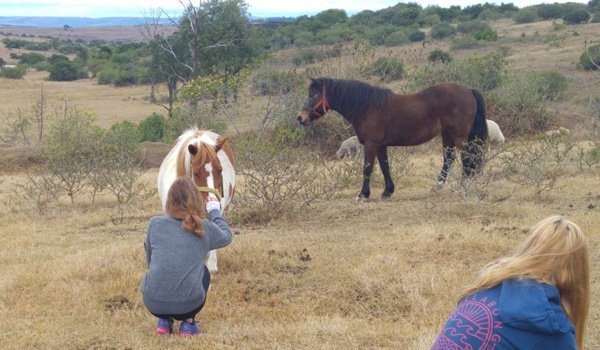
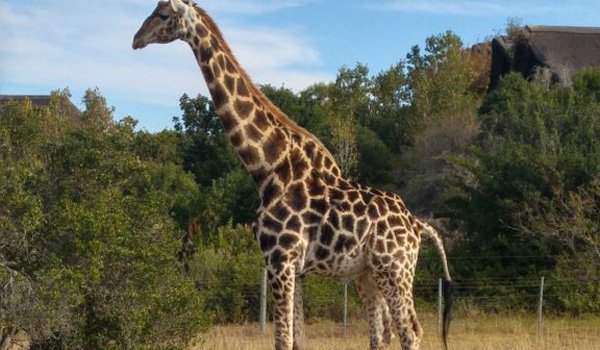
From the iconic red dunes of Sossusvlei to the wildlife-rich plains of Etosha National Park, there's no shortage of awe-inspiring sights to behold.
Despite Namibia's breathtaking beauty, its wildlife faces significant challenges, including habitat loss, poaching, and human-wildlife conflict. These issues threaten the survival of many iconic species, such as elephants, rhinos, and cheetahs. Additionally, climate change exacerbates these threats, leading to further habitat degradation and water scarcity for both wildlife and local communities. Without intervention, Namibia's wildlife populations will continue to decline, jeopardizing the country's natural heritage and biodiversity.
Our wildlife volunteer program in Namibia aims to address these challenges by actively contributing to wildlife conservation efforts in Namibia. Volunteers will work alongside experienced conservationists and researchers to protect and rehabilitate endangered species, restore habitats, and lessen human-wildlife conflict. Through hands-on activities such as monitoring wildlife populations, maintaining water sources, and participating in community outreach initiatives, volunteers play a crucial role in safeguarding Namibia's precious wildlife.
Take a minute to complete the form and we will be in touch.
Wildlife Volunteer Program in Namibia: At a Glance
Program Objectives
Protect and preserve endangered species
Program Start Dates
Programs begin every Sunday
Volunteer Duration
Select from 2 to 12 weeks
Volunteer Commitment
Up to 5 hours per day
Eligibility
Volunteers 18 years and older, including families
Accommodation/Food
Fully Equipped Twin or Triple Tented Camps/ Cabins - 3 Meals/Day
Skills and Qualifications
No specific skills or qualifications are required to join the wildlife conservation volunteer program in Namibia. All we ask is that volunteers have a passion for working with animals and an interest in wildlife conservation. While those with animal work or veterinary experience may be able to provide additional assistance in certain areas, there are opportunities for everyone to contribute positively to the lives of the animals. Volunteers must be a minimum of 18 years old to participate in the program.
Volunteer Responsibilities and Impact
Volunteers in the Wildlife Conservation program in Namibia will play a pivotal role in the conservation, rehabilitation, and research of African wildlife. The sanctuary provides a haven for orphaned and injured wildlife, including lions, leopards, cheetahs, wild dogs, and various other species. Volunteers will actively contribute to the care and maintenance of these animals, assisting in rehabilitation efforts and sanctuary development.
This hands-on experience offers a unique opportunity to work closely with African wildlife, gaining insight into their behaviors and care needs. To ensure a comprehensive understanding of the project's scope, volunteers are encouraged to commit to at least three weeks on-site, participating in a variety of activities organized on a rotational basis.
At the research sites, volunteers will engage in anti-poaching efforts and live in proximity to wild animals in the Namibian bush. Immersed in the natural environment, volunteers will have the unparalleled experience of observing and learning about the behaviors and traits of animals such as lions, leopards, and cheetahs.
Accompanied by like-minded individuals passionate about animal welfare, Namibia wildlife volunteers will have the opportunity to deepen their knowledge and appreciation of wildlife conservation. This immersive experience provides a unique opportunity to learn firsthand about animal behavior and conservation practices in the African wilderness.
Volunteers will engage in various tasks aimed at wildlife care and conservation, including food preparation and feeding of small animals and carnivores, as well as providing intensive care for juvenile wildlife. Additionally, volunteers will participate in project work such as building camps, maintaining facilities, and assisting with various sanctuary projects.
Monitoring of high-profile species on the reserve, spoor tracking of reserve animals, and focused research activities like analyzing camera traps and GPS data will also be part of the volunteer experience. Other activities include game counts on horseback, attending conflict calls if needed, wildlife tracking, maintaining camera traps, hiking, environmental rehabilitation efforts such as wire braiding, and participation in research presentations. Additionally, volunteers may contribute to forest conservation and revegetation projects to further support environmental rehabilitation efforts.
Volunteer Schedule
As someone passionate about volunteering as a wildlife conservationist in Namibia, every day will be unique and rewarding. Working with animals requires a flexible schedule, as some animals may require care early in the morning and at night. You will be placed in groups on a rotating schedule and required to perform two activities per day.
You will be given your daily duties every evening before so you can organize your daily schedule around your tasks. You will have Saturday and Sunday off to explore everything you want around your project destination.
Dates and Fees
Program Dates
Our volunteer programs in Namibia start on Sundays each week, so we request that you arrive the day before, on Saturday.
Our Fees
Since 2006, IFRE has been the most trusted and respected volunteer abroad organization in the world, and also the most affordable. We’re dedicated to providing the highest quality volunteer programs at the lowest fees, which makes it possible for everyone, especially students, to volunteer internationally and make a positive impact in the lives of others.
We believe in 100% transparency. Rest assured, we never use middlemen. Your one-time registration fee of $299 covers our administrative costs. The low weekly fee is paid in the host country directly to your host family and project (via country coordinator), and includes housing, food, and minor expenses. IFRE is a non-profit organization, so your program fees are tax-deductible.
Namibia Wildlife Rescue Volunteer Program Fee (US$)
| Weeks | Wildlife Projects |
|---|---|
| 1 Week | - |
| 2 Weeks | $1,096 |
| 3 Weeks | $1,644 |
| 4 Weeks | $2,192 |
| 5 Weeks | $2,740 |
| 6 Weeks | $3,288 |
| 7 Weeks | $3,727 |
| 8 Weeks | $4,067 |
| 9 Weeks | $4,431 |
| 10 Weeks | $4,765 |
| 11 Weeks | $5,155 |
| 12 Weeks | $5,529 |
Program Fees Cover:
- Accommodation
- Food
- Program Orientation
- In-country support
- Personalized project
- Pre-departure information
- Certificate of completion
- Fundraising ideas and letters
- Discount for returning volunteers
Program Fees Exclude:
- Visas
- Airfare
- Personal expenses on soft drinks and foods
- Daily transportation
- Airport return transfer
Take a minute to complete the form and we will be in touch.
Accommodation and Meal
IFRE ensures volunteers in wildlife conservation in Namibia have secure, clean, and comfortable accommodations, paired with suitable meal options. At the Wildlife Sanctuary, accommodation consists of twin or triple share tents with provided beds and bedding, alongside communal shower and toilet facilities powered by solar energy. Electrical sockets are available in communal areas. Volunteers receive three daily meals, tailored to most dietary needs, and access amenities like laundry service, pool facilities, and gym sessions.
A bar/shop provides snacks, drinks, and essentials, including free Wi-Fi and cell phone credit. In Kanaan, volunteers are housed in twin or quadruple share rooms, while at Harnas, they stay in triple share cabins with provided linen and towels, three daily meals, and access to laundry service, a pool, and a bar/shop. Electricity is solar-powered at Harnas, with limited availability for high-energy devices, although cell phone reception and Wi-Fi remain accessible.
Program Location, Free Time, and Weekends
The Namibia wildlife volunteer program takes place across two remarkable conservation sites—Kanaan and Harnas—each offering a unique and unforgettable experience in the heart of southern Africa. Kanaan, located near the edge of the Namib Desert, is known for its dramatic red dunes, vast open landscapes, and incredible desert-adapted wildlife. Harnas, one of Namibia’s oldest and most respected wildlife sanctuaries, provides care and refuge for rescued animals and serves as a center for wildlife education and rehabilitation.
Volunteers in wildlife protection in Namibia often dream of visiting Africa for years, balancing their noble efforts to make a difference with a desire to explore the stunning wildlife and scenery. IFRE ensures volunteers have significant free time, averaging 4-5 hours of work per day from Monday to Friday. With evenings and weekends free, volunteers can pursue their dreams of an African vacation, with local staff available to assist in arranging travel plans. This allows volunteers to immerse themselves in Namibia's beauty and create unforgettable experiences.
Safety and in-Country Support
IFRE prioritizes volunteer safety above all else in Namibia, providing comprehensive support from pre-trip arrangements to in-country assistance. With reliable travel insurance, airport pick-up, and continuous guidance from experienced staff, volunteers can rest assured of a secure environment. Upon arrival, volunteers are supported by mature and knowledgeable in-country staff, led by the coordinator, who assists with various arrangements, including project placement, accommodations, and orientation. Regular check-ins ensure volunteer well-being and progress throughout their experience.
Cultural Immersion Opportunities
As a volunteer in Namibia, you’ll have the chance to deeply engage with the local culture and way of life. Living and working alongside Namibian staff and fellow international volunteers fosters meaningful cross-cultural exchange.
During your free time, you can learn about traditional customs, languages, and community values through conversations, shared meals, and local storytelling. Weekend excursions may also include visits to nearby towns or cultural sites, allowing you to experience Namibia beyond the wildlife sanctuary.
This immersion not only enhances your volunteer journey but also gives you a broader perspective on the country's heritage, challenges, and natural beauty.
Take a minute to complete the form and we will be in touch.
Volunteer Testimonials
What people say about us
It felt well supported from the moment we arrived. The team on the ground made sure everything ran smoothly. I’d definitely recommend IFRE for this
- Isla, Australia
The experience itself was great, but the organization behind it made it stress-free. You always knew who to go to if you needed anything .
-Sophie, Ireland
I appreciated how structured things were without feeling rigid. Accommodation and food were sorted, so you could just focus on the experience .
- Oliver, Germany
Volunteer in a wildlife setting can feel unfamiliar at first, but the local coordination made it easy to settle in. Everything from meals to daily plans was well managed.
- Ethan, USA
Frequently Asked Questions-FAQs
Where is the wildlife volunteer project located in Namibia?
The Namibia wildlife volunteer project is based at a wildlife sanctuary in the heart of the Namibian bush, around 45 km from Windhoek, the capital city. Surrounded by open landscapes and incredible natural beauty, this peaceful setting gives volunteers the chance to experience authentic wildlife conservation in Namibia.
What animals will I work with in the Namibia wildlife rescue program?
You will work with injured, orphaned, and conflict-affected wildlife, with a strong focus on rehabilitation and releasing animals back into the wild whenever possible. Volunteers assist in caring for a variety of native animals while learning about ethical wildlife rescue and conservation practices.
What are the main duties of wildlife volunteers in Namibia?
Volunteer duties include preparing animal food, helping with feeding routines, cleaning enclosures, maintaining sanctuary facilities, observing animal behavior, and supporting general conservation work. Depending on the project needs, volunteers may also assist with tracking, basic research tasks, and environmental maintenance across the sanctuary.
Do I need previous experience to join the Namibia wildlife volunteer program?
No previous experience is required to join this wildlife volunteer program in Namibia. It is open to anyone with a genuine love for animals and a passion for conservation. A positive attitude and willingness to help are often more important than experience, although veterinary or animal care backgrounds can be helpful for certain tasks.
Can veterinary students or veterinary assistants join this program?
Yes. Veterinary students, veterinary assistants, and animal care professionals are highly encouraged to join the Namibia wildlife rescue volunteer program. Their background is especially valuable, and they may be involved in more advanced observation or support tasks depending on project needs and staff guidance.
How many hours will I work per day in Namibia wildlife volunteering?
Volunteers usually work around 4–5 hours per day, 5 days a week, depending on the sanctuary schedule and seasonal needs. This balance allows enough time to contribute meaningfully while still enjoying rest, local travel, and the unforgettable experience of living in Namibia.
Is the Namibia wildlife volunteer program physically demanding?
Yes. Some parts of wildlife volunteering in Namibia can be physically active. Tasks such as cleaning enclosures, preparing food, and helping with general sanctuary maintenance often involve outdoor work. Volunteers should be comfortable being active and adapting to changing weather conditions.
Is hands-on contact with wild animals allowed?
For safety and ethical reasons, direct contact with wild animals is limited. The Namibia wildlife rescue program follows strict conservation guidelines to protect both volunteers and the well-being of the animals, ensuring care is always responsible and respectful.
What is the minimum duration for Namibia wildlife volunteering?
The minimum stay for the Namibia wildlife volunteer program is usually 2 weeks, with options to stay up to 12 weeks or longer, depending on availability and visa conditions. Many volunteers choose longer stays to fully experience the project and build a deeper connection with the work.
When can I start the Namibia wildlife rescue program?
The program starts every Sunday, and volunteers are advised to arrive one day earlier on Saturday. This gives enough time for airport pickup, settling in, and attending orientation before beginning the project.
What is included in the Namibia wildlife volunteer program fee?
The program fee includes accommodation, daily meals, airport pickup from Hosea Kutako International Airport (WHK), orientation, in-country support, and placement coordination. It is designed to make your volunteer experience smooth, safe, and well-supported from arrival to departure.
What is not included in the program fee?
The fee does not include international flights, visa costs, personal expenses, travel insurance, or weekend travel activities. Volunteers should plan a separate budget for these additional costs before traveling.
Is accommodation provided for wildlife volunteers in Namibia?
Yes. Accommodation is fully provided. Volunteers stay in shared tents with two to four people per tent, creating a warm, social, and community-style living experience. All linen is provided, so there is no need to bring bedding. The volunteer house is located about 1 kilometer from the main house in a safe and secure setting, and there is also a swimming pool where volunteers can relax after a rewarding day at the sanctuary.
Will meals be provided during the Namibia wildlife program?
Yes. Volunteers are usually provided with three meals per day, prepared by the local team or accommodation staff. Dietary preferences can often be accommodated when shared in advance, helping everyone feel comfortable during their stay.Is Namibia safe for wildlife volunteers?
Yes. Namibia is considered one of the safer countries in Africa for international travelers. With IFRE’s local support, orientation, and safety guidance, volunteers can feel secure and well-prepared throughout their wildlife volunteering experience.
What kind of support will I receive during the program?
Volunteers are supported by a local coordinator and experienced field staff throughout their stay. From arrival orientation to daily supervision and emergency assistance, the team ensures volunteers feel welcomed, guided, and supported at every stage.
Can couples or friends join the Namibia wildlife volunteer program together?
Yes. Couples and friends are very welcome to join. IFRE can arrange shared accommodation and, where possible, place them on the same volunteer schedule so they can enjoy the experience together while contributing to wildlife conservation in Namibia.
Is the Namibia wildlife program suitable for solo travelers?
Yes. Many volunteers join alone, and the program is designed to be friendly, social, and supportive. Solo travelers often find it easy to meet like-minded people from around the world and quickly feel part of the team.
What should I pack for wildlife volunteering in Namibia?
Volunteers should bring comfortable outdoor clothing, closed shoes, sunscreen, insect repellent, a hat, a reusable water bottle, and basic personal medication. A sleeping bag is optional, but many volunteers like bringing one for extra comfort.
Is travel insurance required for Namibia wildlife volunteering?
Yes. Travel insurance is mandatory for all IFRE volunteers. It should cover medical emergencies, trip cancellation, and personal belongings so volunteers can travel with greater peace of mind.
What kind of training will I receive before starting?
All volunteers receive an orientation upon arrival covering safety rules, animal care guidelines, daily schedules, cultural expectations, and project responsibilities. This helps everyone feel confident, prepared, and ready to begin their wildlife rescue volunteering journey.
Why do Wildlife Volunteering in Namibia with IFRE?
Trusted Since 2006 – Join a global network of over 22,000 volunteers who have chosen IFRE for safe, meaningful, and life-changing volunteer experiences around the world.
Affordable and Purpose - Driven – Starting at just $1096 for 2 weeks, this program gives you the chance to actively support wildlife conservation efforts in Namibia—without breaking the bank.
Your Safety Matters – We prioritize your comfort and security. This program is carefully planned and managed by experienced local staff who are with you every step of the way.
Make a Tangible Impact – Contribute directly to protecting endangered species and preserving Namibia’s unique desert ecosystems through daily hands-on conservation work.
Gain Hands-On Experience – Learn essential skills like animal tracking, habitat monitoring, and data collection while working closely with conservation professionals.
Immerse Yourself in Nature – Experience Namibia’s stunning natural beauty—expansive deserts, dramatic landscapes, and peaceful wilderness—with unforgettable wildlife encounters.
Volunteer Destinations
Take a minute to complete the form and we will be in touch.
