
Volunteer in Costa Rica
Are the tropics calling your name? Do you want to explore a magical country while helping improve life for the locals? Do you want to use your love and passion to make a difference while on a life-changing adventure? If so, keep reading to discover IFRE’s amazing volunteer projects in Costa Rica!
Costa Rica is a tropical delight and the crown jewel of Central America. Its’ capital city, San Jose, is a cultural gem resting in a valley surrounded by beautiful mountains.
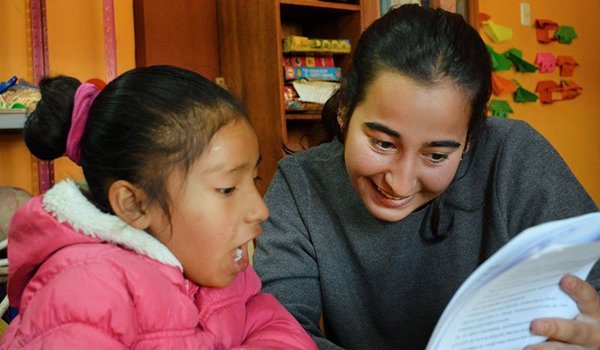
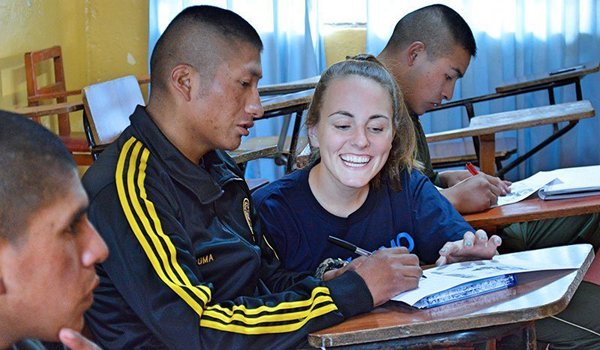



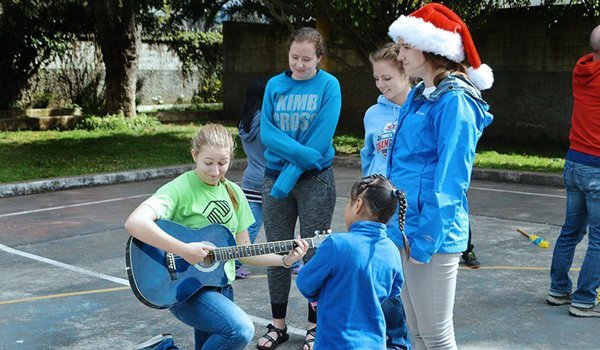
However, despite its natural beauty and friendly people, Costa Rica is a developing country with real problems like poverty, social imbalance, and a lack of access to quality healthcare in rural areas. A slow-moving and sometimes ineffective government, which struggles to deal with these issues and help its citizens, compounds these problems.
IFRE offers a wide range of life-changing volunteering opportunities in Costa Rica that allow you to make a difference in the lives of countless people in a variety of ways. No matter what project you choose, you will contribute to a better life for both the people and animals with whom you work.
Not only will you be giving back to the people of Costa Rica, but you will be surrounded by beauty while immersing yourself in the Pura Vida (pure life) culture for which this country is famous.
Do you want to give back and fulfill your passion while traveling and immersing yourself in an amazing culture? Then contact IFRE now to learn more about volunteering in Costa Rica!
Take a minute to complete the form and we will be in touch.
Available Volunteer Projects in Costa Rica
No matter what your background, passion, or interests may be, IFRE has volunteering programs in Costa Rica you can get excited about! Explore the projects we have to offer below and find a cause that speaks to you!
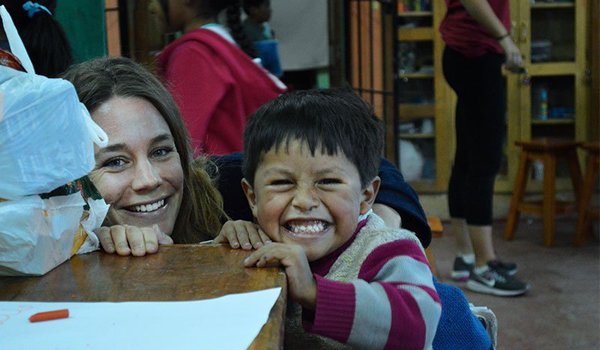
Volunteer Child Care Project
Duration: 1 - 12 Weeks
Volunteers Aged 18+ And Families
4-5 Hours Volunteering Monday to Friday
Program Fee Starts From $505
Support and care for children in need by volunteering at a local orphanage.
Construction Volunteer Project

Duration: 1 - 12 Weeks
Volunteers Aged 18+ And Families
4-5 Hours Volunteering Monday to Friday
Program Fee Starts From $600
Support communities in need by volunteering on local construction projects.
Medical Volunteer Project

Duration: 1 - 12 Weeks
Volunteers Aged 18+ And Families
4-5 Hours Volunteering Monday to Friday
Program Fee Starts From $600
Provide essential healthcare support to underserved communities.
Dental Volunteer Project
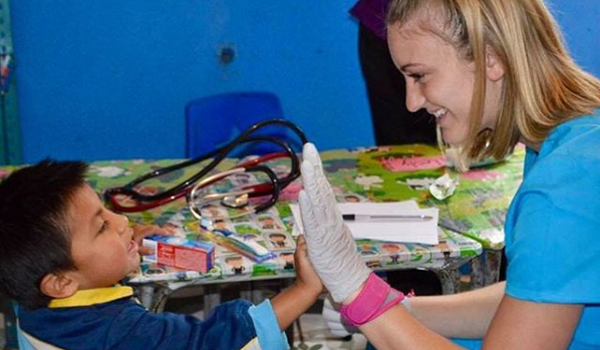
Duration: 1 - 12 Weeks
Volunteers Aged 18+ And Families
4-5 Hours Volunteering Monday to Friday
Program Fee Starts From $600
Provide essential dental care to underserved communities in Costa Rica.
Volunteer Teaching English Project
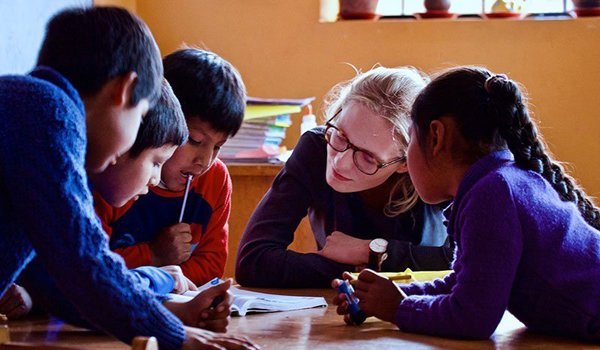
Duration: 1 - 12 Weeks
Volunteers Aged 18+ And Families
4-5 Hours Volunteering Monday to Friday
Program Fee Starts From $505
Empower communities by volunteering to teach English to children and young adults.
Volunteer Turtle Conservation Project

Duration: 2 - 12 Weeks
Volunteers Aged 18+ And Families
4-5 Hours Volunteering Monday to Friday
Program Fee Starts From $985 For 2 weeks
Protect endangered sea turtles by volunteering on sea turtle conservation projects.
Volunteer Animal Conservation Project

Duration: 1 - 12 Weeks
Volunteers Aged 18+ And Families
4-5 Hours Volunteering Monday to Friday
Program Fee Starts From $505
Care for dogs and cats in designated animal shelters.
Volunteer Beach Conservation Project
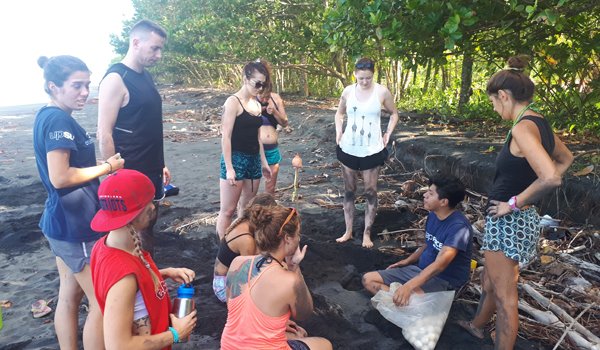
Duration: 2 - 12 Weeks
Volunteers Aged 18+ And Families
4-5 Hours Volunteering Monday to Friday
Program Fee Starts From $985 For 2 weeks
Join beach conservation efforts to protect marine life, clean coastlines,...
Volunteer Coffee Farm Project
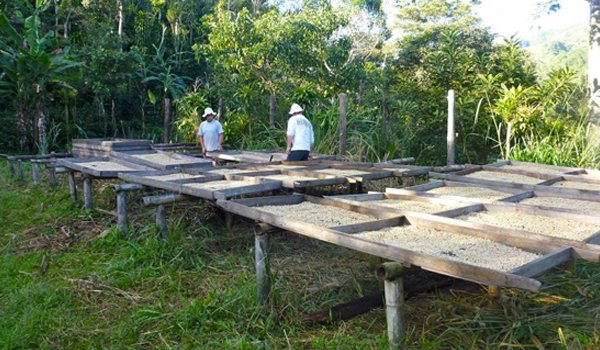
Duration: 2 - 12 Weeks
Volunteers Aged 18+ And Families
4-5 Hours Volunteering Monday to Friday
Program Fee Starts From $985 for 2 weeks
Empower communities by volunteering on eco-agriculture projects in Costa Rica.
Volunteer Vacation Project
Duration: 1 - 12 Weeks
Volunteers Aged 18+ And Families
4-5 Hours Volunteering Monday to Friday
Program Fee Starts From $600
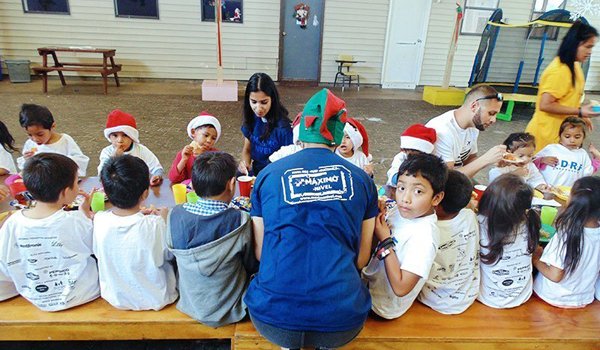
Spend your vacation meaningfully by helping out the needy children and elderly in Costa Rica.
In addition to the above projects, we also offer group programs for college and high school students, family volunteering, alternative spring breaks, and many other programs. Contact IFRE for further information.
Program Dates
IFRE programs begin every Monday year-round. If you have travel constraints, you can still start your chosen program on any day of the year. Volunteers can participate in most of our programs from 1 week to 12 weeks (see specific project page for specified dates).
Our Fees
Since 2006, IFRE has been the most trusted and respected volunteer abroad organization in the world, and also the most affordable. We’re dedicated to providing the highest quality volunteer programs at the lowest fees, making them accessible to everyone, especially students, to volunteer internationally and make a positive impact in the lives of others.
We believe in 100% transparency. Rest assured, we never use middlemen. Your one-time registration fee of $299 covers our administrative costs. The low weekly fee is paid in the host country directly to your project (via the country coordinator), and includes housing, food, and minor expenses. IFRE is a non-profit organization, so your program fees are tax-deductible.
Costa Rica Volunteer Program Fee (US$)
| Weeks | San Jose(Childcare, Teaching English) | San Jose (Medical, Dental, Construction, Eco-Agriculture) | Manuel Antonio (Childcare, Teaching English) | Manuel Antonio (Medical) | Turtle Conservation, Beach Conservation |
|---|---|---|---|---|---|
| 1 Week | $505 | $600 | - | - | - |
| 2 Weeks | $795 | $985 | - | - | $985 |
| 3 Weeks | $1,085 | $1,370 | $1,175 | $1,460 | $1,370 |
| 4 Weeks | $1,335 | $1,715 | $1,435 | $1,815 | $1,715 |
| 5 Weeks | $1,530 | $2,005 | $1,630 | $2,105 | $2,005 |
| 6 Weeks | $1,725 | $2,295 | $1,825 | $2,395 | $2,295 |
| 7 Weeks | $1,920 | $2,585 | $2,020 | $2,685 | $2,585 |
| 8 Weeks | $2,115 | $2,875 | $2,215 | $2,975 | $2,875 |
| 9 Weeks | $2,310 | $3,165 | $2,410 | $3,265 | $3,165 |
| 10 Weeks | $2,505 | $3,455 | $2,605 | $3,555 | $3,455 |
| 11 Weeks | $2,700 | $3,745 | $2,800 | $3,845 | $3,745 |
| 12 Weeks | $2,895 | $4,035 | $2,995 | $4,135 | $4,035 |
We believe in 100% transparency. Rest assured, we never use middlemen. Your one-time registration fee of $299 covers our administrative costs. The low weekly fee is paid in the host country directly to your project (via the country coordinator), and includes housing, food, and minor expenses. IFRE is a non-profit organization, so your program fees are tax-deductible.
Comprehensive Travel Insurance $4.49/day
Spanish Immersion Classes
Manuel Antonio, Costa Rica (2-hour group/4- hour group) — $235/$470
San José, Costa Rica (2hour group/4-hour group) — $215/$430
Program Fees Cover:
- Shared Accommodation with host family
- 2 meals per day (Breakfast & Dinner)
- Airport Pick up/Transfer
- Program Orientation
- In-country support
- Certificate of completion
- Fundraising ideas and letters
- Discount for returning volunteers
Program Fees Exclude:
- Visas
- Airfare
- Lunch
- Personal expenses on soft drinks and foods
- Daily transportation
- Airport return transfer
Take a minute to complete the form and we will be in touch.
Accommodation-Room/Food/Supervision
You have a lot to consider when deciding to volunteer abroad, but worrying whether you’ll be safe and well-taken care of shouldn’t be one of them. Rest easy knowing that IFRE carefully vets and manages every detail for you, and you’ll be able to focus on helping others and having an amazing time on your Costa Rica volunteer trip.
IFRE makes sure you have a safe, clean, and comfortable place to sleep, two healthy local meals a day, and we watch over you closely with our in-country staff of passionate, knowledgeable professionals.
During our volunteer programs in Costa Rica, you will stay with well-screened host families . Our host families are socially respected and are well-versed in the art of hosting international volunteers. Host families offer a safe home, shared rooms, and bathroom facilities.
You can do laundry at the house, or the host family may offer to do it for you for a nominal extra fee. The family will prepare a delicious meals per day for you. Host families provide typical meals that are traditional to Costa Rica, which usually include rice and beans.
Throughout your volunteering program in Costa Rica, our local staff will stay in contact with you via face-to-face visits or via email/telephone. With longer placements, we visit our volunteers every two weeks (when possible) and volunteers are always welcome at the local office. If project placement is local, we request that volunteers stop by the office once a week to keep us posted on how they are doing with their homestay and project. If the project placement is further away, then our local staff members maintain communication by either email and/or phone.
For more readings
12 tips to enhance cultural experience in host families
Spanish Language Training
Would you like to learn Spanish to enrich your time in Costa Rica and be able to connect on a deeper level with the people you are volunteering to help? IFRE currently offers highly affordable Spanish language classes in Costa Rica. These classes are exclusive to IFRE volunteers participating in our volunteer programs. We partner with a highly reputable Spanish school with qualified and experienced Spanish teachers. This program is structured so that volunteers can work on their volunteer project and learn Spanish simultaneously.
For example, volunteers in Costa Rica can take Spanish classes for just 2 hours a day before or after their volunteer activities. Most of the projects are located close to the Spanish school, so it is possible for volunteers to design a personal schedule. IFRE invites you to improve your Costa Rica experience by learning or improving your Spanish.
Volunteer in Costa Rica: Free Time
You will have plenty of free time during the evenings and weekends while volunteering in Costa Rica. While IFRE does not arrange activities during this time off, our local staff members and coordinators can provide priceless assistance in making appropriate arrangements for travel in Costa Rica. It’s the best time for self-discovery and learning.
San Jose
San Jose is the largest city in Costa Rica, with almost 1.5 million people. The city is located at an altitude of 1200 meters and is surrounded by lush valleys. Central San Jose contains a surprising mix of wealthy and poor people. Expensive shops and boutique hotels often share the pavement with small wares vendors and musicians who serenade passersby for their spare change. San Jose also has traditional charm with wooden homes, brick-lined pedestrian streets, and grand theaters. From San Jose, you can take short trips to rainforests, volcanoes and pristine beaches.
Cortés
Cortés is a province in Costa Rica known for its rich natural beauty and diverse landscapes. It’s located on the northern Pacific coast of the country, sharing its coastline with the Pacific Ocean. The province is characterized by its picturesque beaches, lush rainforests, and dramatic mountain ranges. Cortés is less developed compared to other regions, which means it offers a more tranquil and authentic Costa Rican experience. The local economy is driven by agriculture, fishing, and eco-tourism. Visitors to Cortés can explore charming coastal towns, enjoy outdoor adventures, and experience the region's vibrant culture and traditions.
Puntarenas
Puntarenas is a province and the name of its capital city, located on Costa Rica’s Pacific coast. As one of the country’s main port cities, Puntarenas serves as a gateway to various coastal and inland attractions. The city is known for its long, palm-lined beaches and bustling waterfront, which features a lively mix of local markets, seafood restaurants, and vibrant nightlife. Puntarenas also serves as a starting point for trips to nearby natural wonders like the Manuel Antonio National Park and the Nicoya Peninsula. The province’s economy relies heavily on tourism, fishing, and agriculture, making it a vibrant and dynamic area with plenty of activities and cultural experiences for visitors.
Safety
Your safety is IFRE’s number one priority at all times, and you can have peace of mind knowing we will do everything possible to ensure you have a safe and secure experience volunteering in Costa Rica. We offer pre-trip support, reliable and comprehensive travel insurance, airport pick-up, and access to 24/7 guidance and support by an experienced in-country staff that is right there on the ground to help you every step of the way.
In-Country Support
As soon as you arrive in Costa Rica, you will have the support of an experienced team of in-country field staff. The team is comprised of mature, educated, socially respected individuals who are dedicated humanitarians and highly experienced in working with international volunteers. Your main point of contact will be the in-country coordinator. They will select your Costa Rica volunteering project placement, make all the arrangements for your airport transfer, accommodations, and food. They’ll give you an orientation which covers culture, safety, and your service work, introduce you to your host family and project staff, and make periodic visits and calls to check up on your progress. You can reach out to the coordinator at any time with any questions, issues, or to ask for advice and they will be happy to assist you.
If you’d like to learn more about the safety features and field support offered by IFRE, click here .
Take a minute to complete the form and we will be in touch.
Volunteer Testimonials
What people say about us
Costa Rica felt easy to settle into, yet different from home. The nature, people, and pace of life gave me a new perspective. The IFRE team helped me get oriented during the first days, which made a difference. By the end, I felt more confident traveling and adapting independently. I’d recommend this program if you want a mix of culture and nature .
- Evan, USA
I didn’t expect how much I would enjoy the balance here. You have structure, but also time to explore. The accommodation and meals were simple but comfortable, and everything was well organized. I learned how to adjust quickly in a new environment, and I would recommend IFRE to anyone looking for a well-supported experience .
- Claudia, Germany
Costa Rica is one of those places where you feel relaxed but still engaged at the same time. The program gave enough support without feeling too controlled. I picked up a lot of small life skills just from being there. Overall, it felt like a worthwhile experience and I would recommend it .
- Harrison, UK
What stood out for me was how approachable the local staff were. If you had a question, you always had someone to ask. That made settling in much easier. The experience itself felt genuine, and I would definitely suggest this program to others.
- Marina, Spain
Frequently Asked Questions- FAQs
Which airport do I need to fly into for my volunteer project?
You need to fly into San Jose Airport for your volunteer trip in Costa Rica.
Do you organize airport pick-up?
Yes, we do organize airport pickups for you in San Jose. A local representative of IFRE will be waiting at the airport arrival terminal for you upon your landing in San Jose Airport. All of the airport pickup details will be provided to you before your flight to Costa Rica.
What happens if I miss a flight or arrive late?
If you were to miss your flight or arrive late at the San Jose Airport, then you could contact us as soon as possible, either by contacting our in-country coordinator or getting in touch with our office staff via email or telephone. We will then arrange a new pick-up time for you.
How can I get to my accommodations from the airport if I did not connect with IFRE’s local representative in the airport?
It’s very easy to get to your accommodation from the San Jose Airport once you have landed. Your accommodation can be reached by hiring a taxi. You simply need to have the address of and tell the driver of a local cab to take you there if you have not connected with IFRE’s local representative before the start of your volunteer project in Costa Rica. You will also have the representative’s phone number, so you can call them.
Who will come to pick me up? How do I recognize the person at the airport?
A local representative of IFRE will come to pick you up at the San Jose Airport prior to the start of your volunteer program. IFRE will provide you with all the personal details of its representative before your flight to San Jose, Costa Rica, so that once you have landed, you can get in touch with them. You can recognize our representative by looking for a person holding a white sign with your name written on it.
If my volunteer program begins on Monday, when should I arrive? If I want to arrive earlier than when my assignment begins, where do I stay, and who will organize the accommodations? Does it cost me extra?
We recommend you arrive in San Jose on Sunday as all of our Costa Rica volunteer experiences begin on Monday. Arriving on Sunday will leave you some time to relax and gather yourself before the start of your volunteer program the next day. But if you decide to arrive earlier than the start date of your assignment, you will be responsible for getting a hotel room and paying for this extra expense OR our country team can arrange the accommodation at the same place where you will be staying during the project. Please be sure to inform our in-country coordinator of your plans.
Who will bring me to the airport for my departure after completing my volunteer work?
Return transportation to the airport is not included in your volunteer fee. Once the volunteer project is completed you will need to arrange for your transportation to the airport. Local project staff can give you advice on booking a taxi or taking a bus.
What do I need prior to departure from my home country?
There are several steps you will need to take before leaving home. You will need to buy your airline tickets and provide your itinerary to our in-country coordinator so they can arrange your pick-up. You need to visit your doctor and get up to date on your vaccinations. You need to research the requirements for obtaining a visa from your home country. You need to purchase travel insurance, and research your destination including the customs and culture so you know what to expect and can make the most of your time there.
Is there an orientation before the program begins?
Yes. Airport pickup is included in all IFRE volunteer programs in Costa Rica. During orientation, volunteers receive a Welcome Folder containing accommodation details, orientation schedules, and emergency contact information. The orientation also includes important information about your project, a health and safety briefing, and a short walking tour to help you become familiar with the surrounding area.
What documents should I carry when arriving in Costa Rica for volunteering?
When arriving in Costa Rica for your volunteer program, it is important to carry both printed and digital copies of your passport, visa documents if required, flight tickets, travel insurance, and IFRE confirmation documents. It is also recommended to keep the emergency contact details of your IFRE coordinator easily accessible throughout your trip.
How early should I arrive before my Costa Rica volunteer program starts?
Volunteers are encouraged to arrive at least one day before the official start date of the program. This allows enough time for airport pickup, rest after international travel, and participation in the orientation session before beginning the project.
Will I meet other volunteers during orientation in Costa Rica?
Yes. Orientation sessions are usually conducted in a group setting, allowing volunteers to meet other international participants. However, the number of volunteers present depends on the applications received during that period.
Can I change my project after orientation if I am not comfortable?
Yes. In rare situations where a volunteer feels the placement is not the right fit, project changes may be considered. However, this depends on project availability and must be discussed directly with the in-country coordinator.
Where are the projects located?
Our volunteer programs in San Jose, Costa Rica are located in and around the capital city, which is located in a valley of the mountainous central highlands, and enjoys a cooler, temperate climate than the more humid, tropical coasts.
San Jose abounds with culture and boasts a wide variety of museums, parks, plazas, and restaurants. From activities that will have your heart racing to renowned theaters with spectacular European-inspired architecture, there's something for everyone to do. It is also very convenient to take day trips from San Jose to volcanoes, beaches, and rainforests all over the small country.
Is there any minimum and maximum stay?
Yes, there is a minimum and maximum period duration of 1 week to 12 weeks for our volunteer projects in San Jose, Costa Rica. For projects like sea turtle and coffee farming, you require a minimum of two weeks’ time commitment.
Can I extend my stay if I choose to?
Yes, you can extend your stay in Costa Rica if you wish to stay for a longer period of time than you originally planned. Those wishing to stay in Costa Rica over 90 days will need to leave the country for a short time to renew their visas.
Will I have enough time to travel after work and on the weekends while volunteering in Costa Rica?
Yes, you will get free time to travel and visit popular tourist sites while volunteering in San Jose with us. You only need to put in 4 to 6 hours of work every day, typically from 9 am to 4 pm. This leaves plenty of time for you to travel and get familiar with the places near your project placement. Also, you won’t have to work on weekends, so there’s no shortage of free time for leisure and travel during our volunteering projects.
Who will guide or support me in my volunteer project?
All of our volunteer trips in Costa Rica are managed by a competent and well-experienced in-country coordinator. The in-country coordinator looks after you in Costa Rica and provides constant support and guidance on a day-to-day basis. You can ask for assistance from our country coordinator in case of emergencies and always rely on him/her to solve your issues and help.
Can I change projects if I do not like my initial selection?
Yes. If you change your mind or feel dissatisfied with your initial choice, contact the in-country coordinator to discuss this option. A new project will be selected based on availability.
Can I work in more than one volunteer program at a time?
Yes. You can participate and work in more than one project at a time. You can discuss this option with IFRE. However, we do need to advise you that doing so can be physically and mentally exhausting, as each of our projects can take at least 4 hours of work daily. So, you must be fully aware that joining more than one project is not going to be easy, and you will have less free time to explore Costa Rica.
How old should I be to take part?
You should be at least 18 years old to participate. Minors wishing to volunteer alone can, in some cases present a letter of consent from their parents, and we may be able to make an exception. Minors can also volunteer alongside their parents.
Who manages the volunteer projects?
IFRE’s volunteering in Costa Rica programs are fully managed by its in-country coordinator. The in-country coordinator is experienced and highly prepared to look after you during your volunteering trip. If there’s any issue regarding the project, you can go ahead and discuss it with the in-country coordinator to find a solution and get on with the project.
Will I receive training before the start of the project?
Yes, you will receive training before the start of your volunteer work. The training session will allow you to get familiar with the norms and customs of Costa Rica and its people. You will also learn how to stay safe and avoid potential security threats while volunteering abroad in Costa Rica. We will go over your project and schedule.
Is there a dress code in the project?
There are no strict dress codes to follow in Costa Rica. You can wear any decent, modest clothing that feels comfortable to you during your volunteer trip in Costa Rica.
Does IFRE offer programs for friends or couples?
Yes. IFRE warmly welcomes travel buddies and couples to join our programs. We can arrange airport pickup together (or separately if needed) and ensure you are placed in the same accommodation and assigned to the same program type. Just make sure to mention your travel companion’s details during registration.
Does IFRE accept people under the age of 18?
Yes. Participants who are 17 years old can join with a signed parental waiver. IFRE also hosts high school groups, clubs, and family travelers throughout the year. Children as young as 5 years old can participate when traveling as part of a family group, depending on the program.
What if the whole family is traveling?
IFRE is happy to welcome entire families to Costa Rica. We can create a personalized itinerary based on your interests, travel goals, and preferred activities, ensuring a comfortable and meaningful experience for all age groups.
Can volunteer placements be changed?
IFRE works closely with volunteers to consider placement changes if the request is valid and reasonable. However, we generally recommend that volunteers stay in their assigned project for at least one week before requesting a change. Any changes depend on availability and are typically processed on Mondays and Tuesdays.
How far in advance should I apply and register?
We recommend applying as early as possible to secure your preferred program and dates. While last-minute registrations are sometimes possible, the ideal time to apply is 2 to 3 months in advance. That said, IFRE can also accommodate volunteers planning up to 12 months ahead.
Are Spanish language skills required?
No, Spanish is not required for most IFRE programs. Our programs are designed for international volunteers with no prior Spanish experience, and our multilingual team provides full support. However, some specialized programs, especially certain medical or internship placements, may require intermediate Spanish skills.
What types of accommodations does IFRE offer?
IFRE offers a variety of accommodation options depending on the program and location. These include:
- Family stay (shared room)
- Family stay (private room)
- Student residence
- Private apartment
- Hostel (shared room)
- Hostel (private room)
- Hotel (private room)
All accommodations are comfortably furnished and include basic amenities such as 24-hour hot water and good security.
Are there travel and sightseeing opportunities?
Yes, travel and exploration are an important part of the IFRE experience. In Costa Rica, volunteers can enjoy activities such as volcano hikes, whitewater rafting, beach trips along the Pacific and Caribbean coasts, surfing, snorkeling, and scuba diving. You can also explore Manuel Antonio National Park, zip-line through rainforests, visit waterfalls, or enjoy cultural sites in San José like the National Theatre and the central market.
How much spending money is recommended?
Spending needs depend on personal habits, but we generally recommend around $50 to $100 USD per week for personal expenses, sightseeing, and souvenirs. Credit cards are widely accepted, and ATMs are the easiest way to access cash in Costa Rica.
How far are project sites from volunteer accommodation?
Most project sites are located within 30 to 45 minutes of volunteer accommodation. Local coordinators help organize transportation depending on your assigned placement.
Are Costa Rica volunteer projects available year-round?
Yes, IFRE volunteer programs in Costa Rica operate throughout the year. Volunteers can join at any time, depending on availability and scheduled start dates.
Why should I pay to volunteer abroad?
Paying to volunteer abroad can seem pretty odd at first, especially if you are a first-time volunteer making a trip overseas. When you take a closer look, though, it makes perfect sense. The life-changing volunteer program you want to join couldn’t be run without the fees paid by its volunteers, and they also have to house you, feed you, train you, and supervise you. In addition, IFRE is a non-profit organization that makes absolutely no money from its programs. We only charge enough to sustain projects and rely completely on your application fee to pay our operational costs.
Why are IFRE’s fees so much more affordable than other volunteer organizations?
IFRE is an American based non-profit volunteer organization. Unlike its competitors, IFRE does not aim to make any profits by running its volunteer programs, as money is not a motivating factor for us. This allows us to charge you lower rates.
Can I get a tax deduction for my volunteer program?
Yes, you can get a tax deduction for all of our volunteer programs as we are an American non-profit 501©3 volunteer organization which collaborates with many local-level institutions and NGOs (non-governmental organizations) in Costa Rica. IFRE remains devoted to maintaining both the quality of its volunteer programs as well as the safety of all participants involved.
Can I get help to raise funds?
Yes, IFRE can help you raise funds for your volunteer work project. Contact us to learn more.
For further readings:
Cost /money matter
Why to pay for volunteer abroad
How to reduce the cost of volunteer abroad
Pay fee directly to host family
Can I start my Costa Rica volunteer program on any date?
Programs officially begin every Monday. However, IFRE offers flexibility, and volunteers may arrive on other days if needed. In such cases, placements are arranged accordingly after orientation and scheduling adjustments. Please note that programs operate every week, so even if you begin your placement on a Tuesday or any other day during the week, it will still be counted as a full program week.
Can I extend my volunteer program in Costa Rica after arrival?
Yes. Volunteers can extend their stay if they wish. However, extensions depend on project availability and must be confirmed in advance with the local coordinator to ensure a smooth continuation of your placement.
What happens if I cancel my Costa Rica volunteer program?
Once volunteers begin the program, no refund is available.
Is it safe to travel to Costa Rica?
Costa Rica is considered to be a very safe tourist destination. But you have to be aware that the security situation in Costa Rica is unpredictable, like any other country, and your safety can never be fully guaranteed, no matter where you volunteer. You should also be aware that robbery and theft are a possibility in Costa Rica, and particularly in San Jose. You should not be out walking alone at night, and be cautious of which areas you choose to visit.
What safety measures should I take during my volunteer trip?
Although Costa Rica is a popular and safe volunteer destination in Latin America, we highly recommend that you stick to individually planned itineraries and stay true to your schedule. You will be looked after throughout the project with frequent visits by your in-country coordinator. The field staff will also take care of you and help you complete your volunteer project. During your orientation, you will be briefed on safety measures.
What will happen if I get sick?
If you get sick you will be taken to the nearby local hospital and clinic by our local staff or coordinator, depending upon the level of seriousness and severity of your health. Be sure to bring along your passport and a copy of your insurance policy.
Why must I get travel insurance before beginning my volunteer trip?
Travel insurance is vital (and compulsory) for all of IFRE’s volunteer projects in San Jose. Things like stolen luggage, natural disasters, medical costs and evacuation can all be taken care of with the help of travel insurance. IFRE can provide reliable, comprehensive, and affordable coverage.
What vaccinations do I need?
The CDC and WHO recommend vaccinations for Chikungunya, Dengue, Hepatitis A, Hepatitis B, Rabies, Yellow Fever, and Malaria. Be sure to meet with your doctor to discuss this. You can learn more about these vaccinations here.
What are the principal health risks for volunteers?
Malaria, Dengue Fever, Chikungunya Virus, Zika, and Leptospirosis are prevalent diseases in Costa Rica. You must follow the necessary medical measures to prevent these diseases. The tropical environment of Costa Rica has many health risks that volunteers should be aware of before their arrival in Costa Rica. From vaccinations to sun protection and snake bites, you must be wary of every potential threat to your well-being.
For further readings:
Vaccination
Volunteer Health and Safety
Safety Tips for Your Volunteer Abroad Trip
Is the water safe to drink in Costa Rica?
Yes. Tap water in Costa Rica is generally safe to drink and tastes good. Bottled water is also easily available in stores if preferred.
Is Costa Rica safe for solo volunteers?
Yes. Costa Rica is considered one of the safest countries in Central America. IFRE also provides structured support, safe accommodation, and 24/7 assistance, making it suitable even for solo and first-time volunteers.
What should I do in case of an emergency in Costa Rica?
In case of an emergency, volunteers should immediately contact the IFRE local coordinator using the provided emergency contact numbers. The team will assist with medical care, transportation, or any urgent support needed.
Are volunteer placements monitored for safety?
Yes. IFRE regularly monitors all volunteer placements through site visits and communication with local supervisors to ensure safety and maintain program quality.
Do volunteers receive safety training in Costa Rica?
Yes. All volunteers receive a detailed safety briefing during orientation, including travel safety, local customs, emergency procedures, and general do’s and don’ts.
Do I need a visa to volunteer in Costa Rica?
Yes, you will need a tourist visa or entry permit to volunteer in Costa Rica. Most visitors receive up to 90 days upon entry. Always check the latest immigration rules before travel.
Are special visas required to travel to Costa Rica?
Visa requirements depend on your nationality. Most travelers from the United States, Canada, Europe, Australia, and New Zealand do not need a pre-arranged visa and receive a tourist entry stamp on arrival (usually 90–180 days). If unsure, it is best to check with your local embassy.
How do I apply for a visa?
You can apply through the Costa Rican Embassy or Consulate in your home country. In some cases, you may also receive a tourist visa on arrival at the airport, provided you have a valid passport and proof of onward travel.
Can I extend my visa while in Costa Rica?
Yes. Visa extensions may be possible depending on your nationality and immigration conditions. However, decisions are made by Costa Rican immigration authorities. IFRE can only provide general guidance, not process extensions.
Can I volunteer on a tourist visa?
Yes. Most volunteers participate using a tourist visa or visa-free entry, depending on nationality. You must ensure compliance with immigration rules before arrival.
What is the maximum stay allowed?
Typically, stays range from 90 to 180 days depending on nationality. Extensions may be possible through immigration authorities.
Will IFRE help with visa guidance?
Yes. IFRE provides general visa guidance and required documentation support, but final approval and decisions are handled by embassies or immigration offices.
How do I contact IFRE’s local coordinator during my volunteering trip?
You can contact your IFRE coordinator via phone or email. Emergency contact details are provided before departure so you can reach support anytime if needed.
How can I communicate with my family from Costa Rica?
You can easily stay connected through phone calls, WhatsApp, social media, and internet-based apps like Teams or FaceTime. Internet access is widely available.
Can I use my phone in Costa Rica?
Yes. You can use your personal mobile phone. Check with your provider before traveling to ensure international compatibility.
Can I buy a SIM card in Costa Rica?
Yes. SIM cards are available in Costa Rica. You will need your passport and sometimes a passport photo for registration. Local providers such as Kolbi offer good coverage.
Is there phone and internet access during volunteering?
Yes. Accommodation options include free Wi-Fi. However, some rural project sites may have limited or intermittent internet access.
Can I use WhatsApp or video calls?
Yes. Volunteers commonly use WhatsApp, FaceTime, and other apps for messaging and video calls with family and friends.
What do I need to bring for my volunteering project?
You should bring your passport, visa (if required), travel insurance, flight tickets, first aid kit, comfortable clothing, walking shoes, insect repellent, sunscreen, reusable water bottle, camera, mobile phone, laptop (optional), power adapter, and personal essentials. IFRE provides bedding, but you may bring a sleeping bag if preferred.
What is the recommended packing list for Costa Rica?
Costa Rica has a warm and humid climate, so lightweight and comfortable clothing is best. San José has mild temperatures with cooler evenings and occasional rain. Modest clothing is recommended.
Suggested items include:
- Daypack
- Comfortable walking shoes or hiking boots
- Sandals
- Lightweight pants and shorts
- T-shirts and long-sleeve shirts
- Light jacket or sweatshirt
- Hat or cap
- Sunscreen and insect repellent
- Sunglasses
- Towel and toiletries
- Swimwear
- Notebook, pen, and optional study materials
Can I bring gifts for local communities or children?
Yes. Small and useful items like pencils, notebooks, and educational materials are appreciated. Avoid expensive or inappropriate gifts.
Should I bring cash or rely on cards?
It is best to carry both. Cards are widely accepted in cities, but cash is useful in rural areas and for small daily expenses.
Can I buy essentials after arriving in Costa Rica?
Yes. Supermarkets and shops are easily available in most volunteer locations, so you can purchase basic items after arrival.
Should I bring medication?
Yes. You should bring enough prescription medication for your entire stay along with a basic first aid kit.
Popular Articles
Other Volunteer Destinations
Take a minute to complete the form and we will be in touch.
