
Beach Conservation Volunteer Program in Costa Rica
Would you like to volunteer in beautiful Costa Rica, making a difference? Do you have a passion for environment conservation and love working to conserve Costa Rican beaches? Let IFRE plan your ultimate volunteer experience abroad.
Costa Rica is a country with lots of different types of nature. When people think of it, they usually picture beautiful beaches and marine life. To take care of these natural wonders, there are special places called reserves and parks.

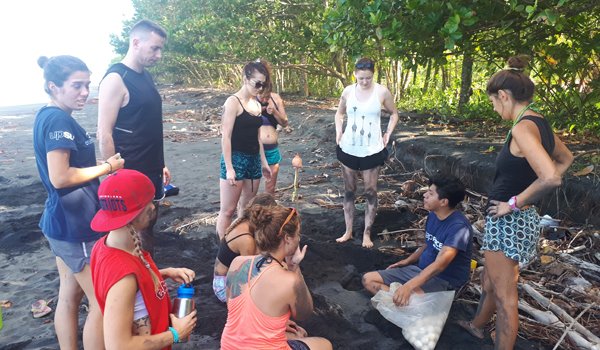


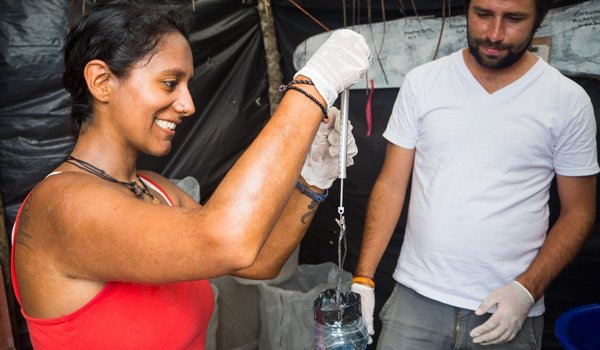
Our Costa Rica beach conservation volunteer project is located at the Nicoya peninsula by the Pacific Ocean. It's home to Costa Rica's first National Park and a protected area. Since 1963, about 95% of the land and ocean there (which is about 3 million hectares or 7.4 million acres) has been kept safe, meaning the plants and animals are protected. The goal is to be sustainable, do research, and manage the area well. About 5% of the reserve is open to visitors, and there are trails to explore.
As an international volunteer, you can help in four ways: taking care of trails and beaches, doing research, joining an initiative called 'La Caseta' that works with the local community, and helping with education. Each of these parts is crucial to keeping the reserve safe and making sure people understand how important it is to protect this amazing natural place.
Take a minute to complete the form and we will be in touch.
Beach Conservation Volunteering in Costa Rica: At a Glance
Program Objectives
Preserve coastal ecosystem & reduce pollution
Program Start Dates
Programs begin every Monday
Volunteer Duration
Select from 2 to 12 weeks
Volunteer Commitment
Up to 5 hours per day
Eligibility
Volunteers 18 years and older, including families
Accommodation/Food
Host Family – 3 Home-Cooked Meals/Day
Skills and Qualifications
You don't need to know Spanish, but it's a good idea. Being a "go-getter" means being ready to jump in and help out. We suggest being active and ready to volunteer – be outgoing and help wherever you can. It's important to be there regularly and stick to the schedule. This way, you'll have the best experience and make a positive impact on your project.
Volunteer Responsibilities and Impact
Our Beach Conservation volunteer project in Costa Rica is situated at the very southern tip of the Nicoya Peninsula on Costa Rica's Pacific coast. The main goal of the Natural Reserve is to safeguard, oversee, and study the park's ecosystems, considering them as part of Costa Rica's cultural and historical heritage. The aim is to involve the nearby communities and contribute to the region's well-being through sustainable development. Continuous research, study, and the efforts of volunteers play a crucial role in achieving these objectives.
As a volunteer, you'll have the chance to participate in various tasks, including cleaning and maintaining trails, helping keep the beach clean, updating park signs by creating new ones and ensuring the existing ones are in good condition, reviewing footage, and performing general maintenance on trap cameras. You'll also engage in direct observation of wildlife on the park's trails, welcome and guide visitors, share information about the park's history and available trails, assist local rangers in their daily tasks, facilitate activities for school groups and researchers (such as day camps and conferences), prepare educational materials for school visits or special events, and contribute to the overall maintenance and preservation of the reserve.
Volunteer Schedule
The Beach conservation volunteer program in Costa Rica starts with an orientation in San Jose, where you get important info about your project and travel. You'll work 4-6 hours a day, Monday to Friday, with weekends free.
Here's a general idea of your schedule:
First and Second Day : Orientation in San Jose. The project is away from our main offices, so no reliable internet, but there's a phone for emergencies. Field Managers check in with you.
Weekdays: Your project work officially starts on the second day. A typical day might look like this:
7:00 to 7:30 AM: Have breakfast with your host family, enjoying traditional Tico food.
7:45 AM: Travel to your project site for a fulfilling day as a volunteer.
12:00 PM: Take a lunch break, either at your host family's home or with a packed lunch. Connect with other volunteers.
3:00 PM: Finish your volunteer duties. Evenings are free to explore or relax.
6:45 PM: Share a traditional dinner with your host family. Immerse yourself in local culture and practice your Spanish.
Beach Conservation Volunteering in Costa Rica Fees (US$)
Program Dates
IFRE programs begin every Monday year-round. If you have travel constraints, you can still start your chosen program on any day of the year.
Our Fees
Since 2006, IFRE has been the most trusted and respected volunteer abroad organization in the world, and also the most affordable. We’re dedicated to providing the highest quality volunteer programs at the lowest fees, which makes it possible for everyone, especially students, to volunteer internationally and make a positive impact in the lives of others.
We believe in 100% transparency. Rest assured; we never use middlemen. Your one-time registration fee of $299 covers our administrative costs. The low weekly fee is paid in the host country directly to your host family and project (via country coordinator), and includes housing, food, and minor expenses. IFRE is a non-profit organization, so your program fees are tax deductible.
Costa Rica Beach Conservation Volunteer Program Fees (US$)
| Weeks | Project Fee |
|---|---|
| 1 Week | - |
| 2 Weeks | $985 |
| 3 Weeks | $1,370 |
| 4 Weeks | $1,715 |
| 5 Weeks | $2,005 |
| 6 Weeks | $2,295 |
| 7 Weeks | $2,585 |
| 8 Weeks | $2,875 |
| 9 Weeks | $3,165 |
| 10 Weeks | $3,455 |
| 11 Weeks | $3,745 |
| 12 Weeks | $4,035 |
Comprehensive Travel Insurance $4.49/day
Because this is an off-site project, it is not possible to add Spanish Immersion Classes to this program.
The volunteering in Costa Rica program fees will cover expenses from the first day of the program to the last day of the program. If you arrive before the first day of the program or you decide to stay beyond your program’s last day, you will be responsible for the additional expenses.
Program Fees Cover:
- Shared Accommodation with a host family or in a dormitory-style accommodation, from Sunday to Saturday
- 2 meals per day (Breakfast & Dinner) when in San Jose, 3 meals per day when at the Beach Conservation project
- Airport Pick up
- Program Orientation
- In-country support
- Personalized project
- Certificate of completion
- Discount for returning volunteers
- Emergency contact 24/7
Program Fees Exclude:
- Visas
- Airfare
- Personal expenses on soft drinks and foods
- Daily transportation
- Airport return transfer
- Extra nights of housing (can be booked at an additional cost)
Take a minute to complete the form and we will be in touch.
Accommodation and Meal
In Costa Rica, our volunteers stay with well-respected and experienced host families in San Jose and either with a host family or in dormitory-style accommodations at the project site. Both options give you a homey feel and a chance to dive into the local culture. The host families and project staff are used to hosting volunteers from around the world, and the accommodations are in safe neighborhoods.
You'll share a room with volunteers of the same gender. The rooms are simple, clean, and comfy, with access to showers, hygienic toilets, and electricity. The project site may be within walking distance or require public transportation.
While in San Jose, you'll get two local meals a day (breakfast and dinner). At the Beach Conservation volunteer program in Costa Rica, due to its remote location, you'll receive three local meals a day (breakfast, lunch, and dinner). We can accommodate any dietary restrictions or preferences at no extra cost – just let us know early so we can inform your host family or project staff.
Learn more about IFRE’s accommodations and meals in Costa Rica.
Program Location, Free Time, and Weekend Exploration
Location
Our Costa Rica beach conservation volunteer program is based in the stunning Nicoya Peninsula, home to some of the country’s most beautiful beaches and ecologically vital coastal areas. Known for its biodiversity, laid-back beach towns, and vibrant marine life, this region is at the forefront of Costa Rica’s coastal preservation efforts.
Free Time
Beach volunteers in Costa Rica typically contribute 4–5 hours a day, Monday through Friday, leaving some free time to soak in the coastal charm of the Nicoya Peninsula. Whether you’re lounging on the beach, joining a local surf lesson, exploring tide pools, or enjoying fresh seafood at a beachside café, your free time offers countless ways to connect with nature and the local community.
Weekend
Weekends—Saturday and Sunday—are perfect for exploring the best of Costa Rica’s Pacific coast. Visit nearby coastal towns like Samara or Nosara, snorkel in crystal-clear waters, hike through nature reserves, or simply relax on a secluded beach. With endless sunshine, lush landscapes, and opportunities for adventure, your weekends provide the perfect balance to your meaningful conservation work during the week.
Discover what to do in your free time while volunteering in Costa Rica.
In-Country Support
Your safety is IFRE’s number one priority, and we make sure you have a successful and secure volunteer abroad experience. We make sure you have safe housing and a welcoming host family to help you navigate the local area, work with respected organizations, offer health coverage, and also provide the support of our dedicated in-country team available to you at all times.
Read more about IFRE’s dedication to safety and our in-country support.
Cultural Immersion Opportunities
After joining the Costa Rica beach conservation volunteer program, you’ll find countless opportunities to immerse yourself in the country’s rich culture and relaxed coastal lifestyle. Depending on your placement, you may also have the chance to stay with a local host family, offering you a genuine look into daily life, traditions, and the warm hospitality of Costa Rican beach communities.
During your time on the coast, and depending on the season, you might experience vibrant local festivals, traditional celebrations, or community beach events that reflect Costa Rica’s deep connection to nature and the ocean. These cultural moments go far beyond your conservation work—giving you the chance to build meaningful relationships, learn new customs, and gain a deeper appreciation for the people and environment you’re helping to protect.
Take a minute to complete the form and we will be in touch.
Volunteer Testimonials
What people say about us
The work is straightforward but important. You see the impact immediately, which is motivating. I would recommend this experience
- Leo, France
It is simple work, but it makes you more aware of environmental issues. The coordination made everything run smoothly. I would recommend it .
- Maya, Canada
You work outdoors and see results at the end of the day. It felt practical and worthwhile. I would recommend this program .
- Tom, UK
It helped me understand how small actions add up. The experience was well organized, and I would definitely recommend it
- Elena, Italy
Frequently Asked Questions- FAQs
IFRE takes care of all the important arrangements to make your beach conservation volunteering in Costa Rica experience smooth, safe, and rewarding. Here are some frequently asked questions to help you prepare for your trip abroad.
What do beach conservation volunteers do in Costa Rica?
Volunteers participate in beach cleanups, plastic waste collection, coastal monitoring, recycling activities, wildlife protection, sea turtle nest protection, and environmental awareness campaigns within local communities.
Why is beach cleanup volunteering important in Costa Rica?
Beach cleanup volunteering in Costa Rica helps reduce ocean plastic pollution, protect marine life, preserve biodiversity, and maintain safe nesting grounds for sea turtles and other coastal species.
Do I need experience for beach conservation volunteering abroad?
No. Prior experience is not required. The program is open to anyone passionate about environmental conservation, sustainability, and wildlife protection.
Where are beach conservation volunteer projects located in Costa Rica?
The Beach Conservation Project is located on the Nicoya Peninsula along Costa Rica’s Pacific coast. The area is home to Costa Rica’s first official National Park and protected natural reserve.
What is a typical day for a beach conservation volunteer?
A typical day may include morning beach cleanups, sorting and recording collected waste, assisting conservation staff, supporting environmental education programs, and participating in coastal monitoring activities.
What types of waste do volunteers collect during beach cleanups?
Volunteers collect plastic bottles, fishing nets, microplastics, glass, metal waste, and other marine debris that can harm wildlife and pollute coastal ecosystems.
Is Costa Rica a good destination for marine conservation volunteering?
Yes. Costa Rica is one of the top destinations in the world for marine conservation volunteering because of its incredible biodiversity, strong environmental policies, and active eco-volunteer programs.
Can I combine beach volunteering with sea turtle conservation?
Yes. Many beach conservation volunteer programs in Costa Rica are connected with sea turtle protection projects, especially during nesting seasons when beaches are closely monitored.
How long can I volunteer in Costa Rica beach conservation projects?
Volunteers can usually participate for 2 weeks up to 12 weeks or longer, depending on program availability and personal travel plans.
Is beach conservation volunteering physically demanding?
Yes. The work can be physically active. Volunteers may walk long distances on beaches, work under the sun, carry collected waste, and participate in outdoor activities in tropical weather conditions.
Do I need to speak Spanish to join the program?
No. Spanish is not required. However, learning some basic Spanish can help when interacting with local communities and project staff.
What skills will I gain from beach conservation volunteering?
Volunteers gain valuable skills in environmental awareness, teamwork, sustainability practices, field data collection, and marine conservation techniques.
What is marine pollution, and how does volunteering help?
Marine pollution refers to waste and harmful materials entering oceans and beaches. Volunteers help by removing debris, raising environmental awareness, and supporting long-term conservation and sustainability efforts.
Can students and gap year travelers join beach conservation programs?
Yes, this program is especially popular among students, gap year travelers, environmental science students, and wildlife conservation enthusiasts.
Is beach volunteering in Costa Rica safe?
Yes. Costa Rica is considered one of the safest countries in Central America for international volunteers. Programs are well-structured and include local support systems for participants.
What should I pack for a beach conservation volunteer program?
Volunteers should bring lightweight clothing, swimwear, sunscreen, insect repellent, reusable water bottles, hats, sturdy sandals or shoes, and rain protection suitable for tropical weather.
Are accommodation and meals included?
Yes. The program includes accommodation and provides three meals per day for volunteers.
What impact do beach conservation volunteers make?
Volunteers play an important role in reducing ocean pollution, protecting marine wildlife, improving coastal ecosystems, and supporting long-term environmental sustainability projects.
Can I volunteer with wildlife during beach conservation work?
Yes. Depending on the season, volunteers may also assist with sea turtle monitoring and other coastal wildlife protection activities.
Is beach conservation volunteering suitable for beginners?
Yes. The program is beginner-friendly and designed for people who want to contribute to environmental protection without needing prior experience.
What is plastic pollution, and why is it a problem in Costa Rica?
Plastic pollution is the accumulation of plastic waste in oceans and along coastlines. It harms marine life, damages ecosystems, and negatively affects biodiversity and coastal tourism in Costa Rica.
Do volunteers work alone or in groups?
Volunteers usually work in groups led by project coordinators, making the experience collaborative, social, and safe. However, group sizes may vary depending on the applications received during a particular period.
Can I travel in Costa Rica on weekends?
Yes. Volunteers often use their weekends and free time to explore Costa Rica’s beaches, volcanoes, rainforests, waterfalls, and national parks.
What organizations run beach conservation projects in Costa Rica?
Various local organizations and volunteer organizations manage beach conservation projects in Costa Rica, often working in partnership with local communities and environmental agencies.
Why do Beach Conservation Volunteering in Costa Rica with IFRE?
Trusted Since 2006 – Join a global network of over 22,000 volunteers who have chosen IFRE for meaningful, safe, and life-changing volunteer journeys across the globe.
Affordable and Impactful – Starting at just $985/2 weeks, this beach conservation volunteer program in Costa Rica is cost-effective.
Your Safety is Our Commitment – Every detail of your placement is carefully organized to ensure a secure, smooth, and enriching experience.
Travel to a New Country - Experience the beauty of Costa Rica, a paradise with stunning beaches, towering mountains, and lush jungles.
Costa Rica's Natural Beauty - From breathtaking beaches to towering mountains and vibrant jungles, the country offers a visual feast.
Make New Friends - Connect with fellow volunteers, bond with local project staff, and build lasting relationships.
Contact IFRE today to join the Beach Conservation Volunteer program in Costa Rica!
Other Volunteering Opportunities in Costa Rica
You can make a difference in a multitude of ways in Costa Rica. You can join any of our following projects:
Contact IFRE today to learn more!
Volunteer Destinations
Turtle Conservation Volunteering Programs in Other Countries
Take a minute to complete the form and we will be in touch.
