
Eco-Agriculture Volunteering in Costa Rica (Coffee Farming)
Are you interested in learning about sustainable agriculture and willing to get your hands dirty? Would you like to travel to the tropical country of Costa Rica and learn about the origins of coffee? Join IFRE and volunteer abroad at an organic coffee farm!
Costa Rica has beautiful nature, friendly people, and is one of the top three countries in the world that is known for its delicious coffee.
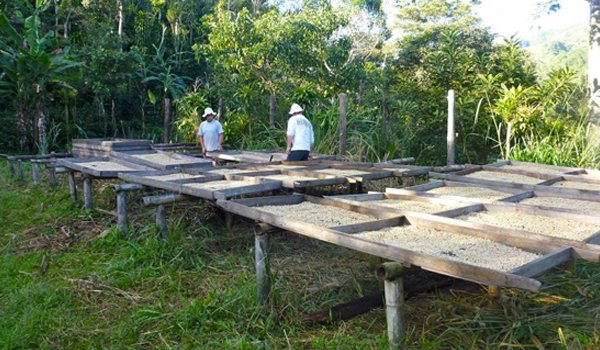
Coffee is king here, with 28% of the Costa Rican workforce involved in the industry. This is the ideal location to volunteer, working on a sustainable coffee farm!
However, if not grown sustainably, coffee farming can seriously erode the soil it is being grown in, which leads to further environmental issues that eventually impact humans. This is a real problem as there are currently 100 coffee trees growing for every person living in Costa Rica, and nearly 70,000 farms. The quality of life and treatment of migrant workers on some large coffee plantations is also cause for concern.
Join IFRE’s Eco-Agriculture project in Costa Rica in the Monteverde Cloud Forest or Brunca region of the Talamanca Mountains. Here, you will learn sustainable and ecological practices and work hands-on implementing them while taking an active part in all stages of coffee production. Dig your hands into the mountain soil and sow the seeds of change!
Do you want to learn about sustainable agriculture and help spread better farming practices across Costa Rica? Then contact IFRE today to learn more about Eco-Agriculture volunteering in Costa Rica!
Take a minute to complete the form and we will be in touch.
Eco Agriculture Volunteering in Costa Rica: At a Glance
Program Objectives
Support local farmers, improving their livelihoods
Program Start Dates
Programs begin every Monday
Volunteer Duration
Select from 2 to 12 weeks
Volunteer Commitment
Up to 5 hours per day
Eligibility
Volunteers 18 years and older, including families
Accommodation/Food
Host Family – 2 Home-Cooked Meals/Day (Breakfast and Dinner)
Skills and Qualifications
While volunteering in Costa Rica at a sustainable coffee farm, you will be working outside in the sun. You will be standing, squatting, lifting, and doing a lot of physical labor, so you need to be in shape and ready to work hard. You do not need any prior experience, but you need to have a passion for the environment and sustainability. This is a great chance to get your hands dirty and learn something new!
Speaking Spanish will greatly enrich your time abroad in Costa Rica, though it is not mandatory. If you want to learn Spanish or improve your skills, we highly recommend that you enroll in our Spanish Immersion classes. We offer them while you volunteer, so it’s super convenient for you and a great opportunity!
Volunteers also need to be at least 18 years or older to join this program on their own. Volunteers below the age of 18 years old will need parental consent, and those below the age of 16 years old need to be accompanied by their parent, guardian or faculty leader if they wish to volunteer.
Volunteer Responsibilities and Impact
In this program, you will work alongside the local community of farmers and help them with sustainable farming and environmental conservation. You will provide support and an extra pair of hands at every step of coffee production - growing, harvesting, and processing. This includes working in the nursery, coffee-picking, weeding, planting shade trees, and even roasting and packaging the final product for local and international sales.
The project also works with municipal forests by building trails, as well as promoting newer conservation programs. There are opportunities to participate in reforestation efforts, creative marketing, maintenance work, educational eco-tourism, and other community activities. Volunteers will work 4-6 hours per day, Monday to Friday. Work hours many be in the morning, afternoon, or evening, depending on the project.
Volunteer Schedule
Volunteering on a coffee farm is a greatly rewarding experience, as each day will be filled with fun and learning as you work hard to protect the environment in Costa Rica and the world.
Your actual daily schedule will vary based on what’s going on at the Costa Rica coffee farm volunteer project at the time you are there, and you will receive more details on the actual hours you’ll be working in your orientation.
Keep an open mind when it comes to scheduling and know that in Costa Rica, things tend to unfold in their own time, and probably not at the hurried pace you are used to back at home. The locals refer to it as “Tico Time” and it should be taken with patience, good humor, and a smile.
First Day: Our in-country coordinator will bring you to the coffee farm, where you’ll be staying on-site. You’ll meet the great local project staff and have an orientation. You’ll learn all about your service work on the farm, your daily schedule, safety measures to follow, and the customs and culture of Costa Rica.
Weekdays: Your farming work begins on the second day, and your schedule is going to vary. A typical day might look something like this:
7.00 to 7.30 AM: Have a delicious local breakfast with your fellow volunteers. Some of the things you eat likely come right from the farm!
7.45 AM: Get ready for a fun day of digging in the dirt and helping things grow! Learn sustainable practices and work around the farm.
12.00 PM: Take a break for lunch.
3.00 PM : After a hard day’s work, you’ll be ready to relax and take in your beautiful surroundings. Take the time to bond with other volunteers and make friends from around the world!
Dates and Fees
Program Dates
IFRE programs begin every Monday year-round. If you have travel constraints, you can still start your chosen program on any day of the year. Volunteers can participate in our program from 2 weeks to 12 weeks
Fees
Since 2006, IFRE has been the most trusted and respected volunteer abroad organization in the world, and also the most affordable. We’re dedicated to providing the highest quality volunteer programs at the lowest fees, which makes it possible for everyone, especially students, to volunteer internationally and make a positive impact on the lives of others.
We believe in 100% transparency. Rest assured; we never use middlemen. Your one-time registration fee of $299 covers our administrative costs. The low weekly fee is paid in the host country directly to your host family and project (via country coordinator), and includes housing, food, and minor expenses. IFRE is a non-profit organization, so your program fees are tax deductible.
Volunteer Program Fees (US$)
| Weeks | San Jose | Manuel Antonio |
|---|---|---|
| 1 Week | - | - |
| 2 Weeks | $985 | - |
| 3 Weeks | $1,370 | $1,460 |
| 4 Weeks | $1,715 | $1,815 |
| 5 Weeks | $2,005 | $2,105 |
| 6 Weeks | $2,295 | $2,395 |
| 7 Weeks | $2,585 | $2,685 |
| 8 Weeks | $2,875 | $2,975 |
| 9 Weeks | $3,165 | $3,265 |
| 10 Weeks | $3,455 | $3,555 |
| 11 Weeks | $3,745 | $3,845 |
| 12 Weeks | $4,035 | $4,135 |
Comprehensive Travel Insurance $4.49/day
Spanish Immersion Classes
Manuel Antonio, Costa Rica(2-hour group/4- hour group)- $235/$470
San José, Costa Rica(2hour group/4-hour group) - $215/$430
The volunteering in Costa Rica program fees will cover expenses from the first day of the program to the last day of the program. If you arrive before the first day of the program or you decide you stay beyond your program’s last day, you will be responsible for any additional expenses.
Program Fees Cover:
- Shared Accommodation with host family
- 2 meals per day (Breakfast & Dinner)
- Program Orientation
- In-country support
- Personalized project
- Certificate of completion
- Discount for returning volunteers
Program Fees Exclude:
- Visas
- Airfare
- Lunch
- Personal expenses on soft drinks and foods
- Daily transportation
- Airport return transfer
Take a minute to complete the form and we will be in touch.
Accommodation and Meal
Our Eco-Agriculture volunteers in Costa Rica will stay with one of our socially respected and experienced host families, and you will be provided with comfortable accommodations. With the welcoming local host family, you will get a wonderful opportunity to immerse yourself in the culture.
You can expect to share rooms with other volunteers of the same gender, which provides a great chance to make friends from around the world. Volunteer rooms are basic, clean, and comfortable, and you will have access to showers, hygienic toilets, and electricity. The volunteer project may be walking distance from the accommodation or require public transportation.
Volunteers will be provided with 2 local meals a day (breakfast and dinner). We accommodate vegetarian needs.
Read more about the accommodation and meals offered on the coffee farm
Free Time, and Weekend Exploration
San Jose, Costa Rica, has a lot of cultural offerings like museums, theaters, live music, great restaurants, and a historical downtown shopping area. The city is also perfectly located to facilitate day and weekend trips to surrounding areas like volcanoes, the cloud forest, rainforests, beaches, mountains, waterfalls, and more.
Discover what to do in your free time in Cortés, Costa Rica .
In-Country Support
Your safety is IFRE’s number one priority, and we make sure you have a successful and secure volunteer abroad experience. We make sure you have safe housing and a welcoming host family to help you navigate the local area, work with respected organizations, offer you health coverage, and also provide the support of our dedicated in-country team available to you at all times.
Learn more about IFRE’s safety and support while volunteering in Costa Rica. .
Cultural Immersion Opportunities
While volunteering in Costa Rica’s eco agriculture volunteer project, you’ll have the chance to deeply connect with local culture while making a meaningful impact on the lives of community. Living with a kind and welcoming Costa Rican host family offers you an authentic experience of daily life—enjoy traditional meals, join in household routines, and build genuine relationships within the community.
Outside your volunteer hours, you’ll have opportunities to immerse yourself in Costa Rica’s rich cultural life. Whether it’s through local gatherings, traditional music and dance, or community celebrations, these experiences will strengthen your bond with the people you’re supporting and add a deeply enriching layer to your volunteer journey.
Take a minute to complete the form and we will be in touch.
Volunteer Testimonials
What people say about us
Working on a coffee farm was something completely new for me. The work is simple but gives you a good understanding of the process.
- Ethan, UK
It is hands-on and sometimes tiring, but you see how things are done from start to finish. The experience felt genuine. I would recommend it .
- Mila, Germany
You spend time outdoors and learn directly from locals. It is a slower pace but very informative. I would suggest this program .
- Lucas, Netherlands
It gave me a better appreciation for where products come from. The setup was well organized, and I would definitely recommend it
- Ava, Australia
Frequently Asked Questions - FAQs
IFRE takes care of all the important details needed to help you plan a meaningful and rewarding coffee farming volunteer program in Costa Rica. Below are some frequently asked questions that may help you while preparing for your eco-agriculture volunteering experience abroad.
What do volunteers do on a coffee farm in Costa Rica?
Volunteers participate in hands-on farming activities such as planting coffee trees, harvesting coffee beans, weeding, maintaining soil health, planting shade trees, composting, processing coffee, and supporting eco-tourism and conservation activities on the farm.
Do I need farming experience to volunteer in Costa Rica coffee farms?
No. Previous farming experience is not required. Volunteers receive training and guidance from local farmers and project coordinators. Anyone interested in sustainability, agriculture, and environmental conservation is welcome to join.
Is Costa Rica a good destination for eco farming volunteer programs?
Yes. Costa Rica is one of the world’s leading destinations for eco farming volunteer programs and sustainable agriculture projects because of its biodiversity, strong coffee culture, and commitment to environmental protection and eco-tourism.
Where are the coffee farm volunteer projects located in Costa Rica?
The coffee farming projects in Costa Rica are located in areas such as the Monteverde Cloud Forest and the Brunca region in the Talamanca Mountains, both well known for their biodiversity and coffee cultivation.
What is sustainable agriculture volunteering in Costa Rica?
Sustainable agriculture volunteering in Costa Rica focuses on environmentally friendly farming methods such as organic coffee production, soil conservation, reforestation, biodiversity protection, and reducing chemical use in agriculture while supporting farm productivity.
Why is coffee farming important in Costa Rica?
Coffee is one of Costa Rica’s most important industries and supports many local communities. Sustainable coffee farming helps protect the environment, supports rural livelihoods, and promotes long-term economic stability for farmers.
What are the main challenges in coffee farming in Costa Rica?
Some of the main challenges include soil erosion, climate change, pesticide use in non-organic farming, and maintaining biodiversity. Sustainable farming projects aim to address these issues through eco-friendly practices, education, and conservation efforts.
What is a typical day like for coffee farming volunteers?
A typical day usually starts with breakfast with the host family, followed by travel to the farm for volunteer work. Activities may include working on coffee plantations, taking lunch breaks with the local team, and returning in the afternoon. Volunteers generally work 4 to 6 hours per day from Monday to Friday, depending on the season and project needs.
Is coffee farming volunteering physically demanding?
Yes. This is a physically active outdoor program. Volunteers may walk on uneven terrain, carry tools, plant trees, and work outdoors in tropical weather conditions. Participants should be prepared for hands-on fieldwork.
Can I learn about coffee production and processing?
Yes. Volunteers learn about the complete coffee production cycle, including planting, harvesting, drying, roasting, grinding, and packaging coffee beans. This provides a full understanding of “bean-to-cup” coffee production.
Is this program suitable for gap year students?
Yes. This program is very popular among gap year students who are looking for practical experience in agriculture, sustainability, environmental science, and cultural immersion in Costa Rica.
What are the benefits of volunteering on a coffee farm abroad?
Volunteers gain valuable experience in sustainable agriculture, environmental conservation, teamwork, rural development, and cultural exchange while contributing to eco-friendly farming practices.
Do volunteers stay on the coffee farm or with host families?
Volunteers stay with carefully selected local host families during the program. This arrangement provides a safe and comfortable environment while allowing participants to experience authentic Costa Rican culture, daily family life, and traditional hospitality. Staying with host families also helps volunteers build stronger connections with the local community.
What meals are provided for volunteers?
In the coffee farming volunteer program, volunteers receive three traditional Costa Rican meals each day, prepared by host families. Meals often include rice, beans, fresh vegetables, fruits, and local dishes such as “gallo pinto.”
How long can I volunteer in coffee farming projects?
Volunteers can usually join for 2 to 12 weeks or longer, depending on availability. Many participants choose 2 to 4-week placements for a meaningful eco-volunteering experience.
Is Costa Rica safe for eco-agriculture volunteers?
Yes. Costa Rica is considered one of the safest countries in Central America for international volunteers. Programs include orientation, host family support, and reliable in-country coordination to ensure volunteer safety.
What should I pack for a coffee farming volunteer program?
Volunteers should bring comfortable outdoor clothing, boots, gloves, sunscreen, insect repellent, rain gear, reusable water bottles, and clothes suitable for physical farm work in tropical weather conditions.
Do I need Spanish to volunteer on a coffee farm?
Spanish is not required, but it is highly recommended. Learning basic Spanish can improve communication with local farmers and enhance the overall cultural immersion experience.
Can I do eco-tourism activities during volunteering?
Yes. Volunteers often take part in eco-tourism activities such as farm tours, hiking, nature walks, reforestation projects, and learning about local biodiversity and environmental conservation.
Is coffee farming volunteering good for environmental studies students?
Yes. This program is ideal for students studying environmental science, agriculture, forestry, or sustainability because it offers hands-on experience in organic farming and environmental conservation practices.
Can I meet other international volunteers in this program?
Yes. Volunteers from around the world participate in the program, creating excellent opportunities for cultural exchange, networking, and international friendships. However, the number of participants may vary depending on the applications received during a particular period.
What makes Costa Rica coffee volunteering unique?
Costa Rica offers a unique combination of sustainable agriculture, rich biodiversity, world-famous coffee culture, and practical learning opportunities in organic farming and environmental conservation.
Are weekends free during the coffee farming program?
Yes. Weekends are generally free, giving volunteers time to explore Costa Rica’s beaches, volcanoes, rainforests, waterfalls, and national parks.
What is “sustainable coffee farming” in Costa Rica?
Sustainable coffee farming in Costa Rica focuses on organic production methods, reducing chemical use, protecting soil health, conserving water resources, maintaining biodiversity, and supporting fair trade practices and local farming communities.
Why is volunteering abroad in agriculture becoming popular?
Agriculture volunteering is becoming increasingly popular because it offers meaningful travel experiences, hands-on learning opportunities, eco-friendly impact, and the chance to contribute to sustainable food systems while exploring new cultures.
Why Join the Eco-Agriculture & Coffee Farming Project in Costa Rica with IFRE?
Trusted Since 2006 – Become part of a global network of over 22,000 volunteers who have chosen IFRE for meaningful, safe, and life-changing volunteer experiences around the world.
Affordable and Impactful – Starting at just $985 for 2 weeks, this eco-agriculture and coffee farming project in Costa Rica offers a cost-effective way to contribute to sustainable farming practices.
Your Safety is Our Commitment – Every aspect of your placement is carefully organized to ensure a secure, smooth, and enriching volunteer experience.
Connect with Nature and Sustainable Living – Work closely with local farmers, learn organic farming techniques, and gain hands-on experience in coffee cultivation while living in harmony with nature.
Support Local Farming Communities – Help small-scale farmers improve their agricultural practices and livelihoods, contributing to long-term sustainability and economic stability.
Be Part of Environmental Conservation – Your efforts support eco-friendly farming, biodiversity, and responsible land use, helping protect Costa Rica’s rich natural environment.
Make a Meaningful Impact – Even small contributions can create lasting change. By supporting sustainable agriculture, you help build stronger communities and a healthier planet.
Other Volunteering Opportunities in Costa Rica
You can make a difference in a multitude of ways in Costa Rica. You can join any of our following projects:
- Childcare
- Medical & Healthcare
- Construction
- English Teaching
- Volunteer Vacation
- Sea Turtle Conservation
Contact IFRE today to learn more!
Other Sustainable Agriculture Projects Worldwide
To preserve the planet and the amazing biospheres therein, IFRE arranges conservation projects in Ecuador:
Volunteer Destinations
Take a minute to complete the form and we will be in touch.
