
Namibia Medical Volunteer Program
Do you want to volunteer in a medical project in Namibia? Do you want to have a life-changing experience working closely with top medical professionals in a fascinating part of the world? If so, this Namibia medical project is a perfect fit for you!
In Etosha National Park, visitors can spot diverse wildlife, while the Skeleton Coast offers unique landscapes with shipwrecks and sandy beaches. Exploring traditional villages allows tourists to learn about Namibia's rich culture and heritage.


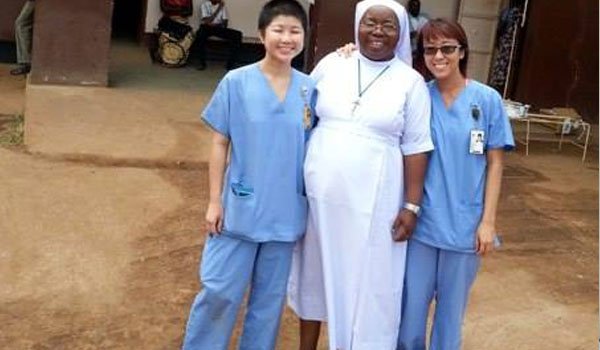
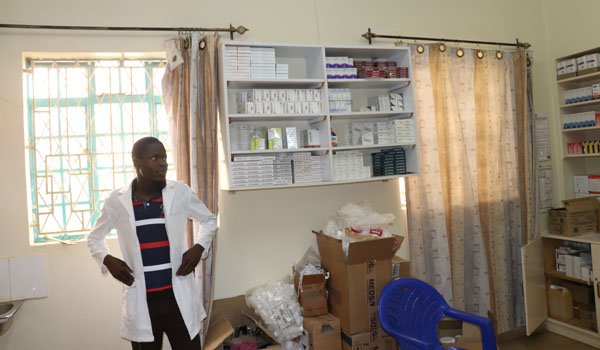


Despite its natural beauty and cultural richness, Namibia faces significant healthcare challenges. Many communities lack access to adequate medical care, particularly in remote areas. Limited healthcare facilities, a shortage of medical professionals, and insufficient resources contribute to the healthcare disparities experienced by Namibian residents. This results in preventable illnesses going untreated and poor health outcomes for many individuals, especially in underserved populations.
IFRE’s Namibia medical volunteer program addresses these healthcare challenges by providing crucial medical assistance to underserved communities. Volunteers work alongside top medical professionals to deliver essential healthcare services, including medical consultations, health screenings, and health education. By volunteering in this program, individuals contribute to improving access to healthcare and promoting better health outcomes for Namibian residents. Additionally, volunteers have the opportunity to gain valuable medical experience, broaden their cultural understanding, and make a meaningful difference in the lives of others.
Take a minute to complete the form and we will be in touch.
Medical Volunteering in Namibia: At a Glance
Program Objectives
Support health care and gain medical experience
Program Start Dates
Programs begin every Sunday
Volunteer Duration
Select from 2 to 12 weeks
Volunteer Commitment
Up to 5 hours per day
Eligibility
Volunteers 18 years and older, including families
Accommodation/Food
Fully Equipped Rooms - 3 Meals/Day
Skills and Qualifications
Volunteering in the medical program in Namibia requires a background in healthcare, whether as a doctor, nurse, or medical student. It's essential to possess a genuine compassion for others and a dedication to enhancing their well-being through improved healthcare access. Additionally, volunteers should demonstrate patience, kindness, and respect for local customs and traditions. These qualities ensure effective collaboration with local communities and contribute to a positive impact on healthcare outcomes.
Volunteer Responsibilities and Impact
Volunteers in the Namibia medical program will have the unique opportunity to collaborate with the hospital and clinic's team, gaining insights into prevalent diseases in the local population and their treatment methods. You will directly engage with patients from the disadvantaged community, offering care to those living in extreme poverty in remote clinic locations. Teaching sessions will be customized to individual skill levels and backgrounds.
Medical students can anticipate learning basic clinical skills, patient history taking, and examination techniques. Trained professionals will be involved in patient care and outreach activities, providing essential assistance where needed. This presents a valuable chance for skilled professionals to make a significant impact on the most vulnerable populations.
Depending on their length of stay and medical expertise, volunteers may be assigned research projects beneficial to the clinic and patients. Examples include mapping patient travel distances to the clinic, analyzing local disease patterns, assessing TB rates and medication compliance, and evaluating patient knowledge regarding HIV transmission and disease. These projects aim to enhance clinic services and patient care while providing Namibia medical volunteers with meaningful learning opportunities.
Volunteer Schedule
While working in this medical volunteer program, every day will be full of fun and excitement, and will present you with lots of opportunities to get to know and interact with local people who are incredibly friendly and will welcome you with open arms.
First Day : On your first day of volunteering in the medical project in Namibia, you will be escorted to your placement by a local coordinator and introduced to the local doctors and staff you’ll be working with. During this day, you’ll get to know the hospital or clinic, and learn what your precise duties will be while volunteering.
Weekdays: Your work as a medical volunteer begins on the second day of the project, and while your exact tasks will vary from day to day and depending on the placement, a typical day will follow this outline:
7.00 to 7.30 AM: Early in the morning you will greet the day with a delicious breakfast.
7.45 AM: Once you’ve enjoyed breakfast, it’s time to head to your placement for a rewarding day of medical work.
12.00 PM: Around noon, you’ll have a lunch break, and this is the time to rest and a chance to get to know the rest of the medical staff better.
3.00 PM: After a full day of volunteering, work usually ends around this time, and the rest of your day is your free time that you can spend as you wish, exploring the local area and spending time with your colleagues.
6.45 PM: At the end of the day, you can settle in with your host family in their cozy home and enjoy a delicious home-cooked dinner, learning more about their customs in the process.
Dates and Fees
Program Dates
Our volunteer programs in Namibia start on Sundays each week, so we request that you arrive the day before, on Saturday.
Our Fees
Since 2006, IFRE has been the most trusted and respected volunteer abroad organization in the world, and also the most affordable. We’re dedicated to providing the highest quality volunteer programs at the lowest fees, which makes it possible for everyone, especially students, to volunteer internationally and make a positive impact in the lives of others.
We believe in 100% transparency. Rest assured; we never use middlemen. Your one-time registration fee of $299 covers our administrative costs. The low weekly fee is paid in the host country directly to your host family and project (via country coordinator), and includes housing, food, and minor expenses. IFRE is a non-profit organization, so your program fees are tax deductible.
Namibia Medical Volunteer Program Fee (US$)
| Weeks | Medical Projects |
|---|---|
| 1 Week | - |
| 2 Weeks | $1,096 |
| 3 Weeks | $1,644 |
| 4 Weeks | $2,192 |
| 5 Weeks | $2,740 |
| 6 Weeks | $3,288 |
| 7 Weeks | $3,727 |
| 8 Weeks | $4,067 |
| 9 Weeks | $4,431 |
| 10 Weeks | $4,765 |
| 11 Weeks | $5,155 |
| 12 Weeks | $5,529 |
Program Fees Cover:
- Accommodation
- Food
- Program Orientation
- In-country support
- Personalized project
- Pre-departure information
- Certificate of completion
- Fundraising ideas and letters
- Discount for returning volunteers
Program Fees Exclude:
- Visas
- Airfare
- Personal expenses on soft drinks and foods
- Daily transportation
- Airport return transfer
Take a minute to complete the form and we will be in touch.
Accommodation and Meal
As a medical volunteer in Namibia, you'll stay in a well-organized accommodation designed to offer a safe and comfortable experience. Each room typically houses 2 to 4 volunteers and is fully furnished with essential bedding, ensuring restful nights after your impactful days. The accommodation is located within proximity to the hospitals and clinics where you’ll be volunteering, making daily commutes convenient and stress-free. The site also features a swimming pool, offering a refreshing way to relax and unwind during your free time.
You’ll receive three nutritious meals each day, freshly prepared with local ingredients to give you a taste of Namibian cuisine. Coffee is also available to keep you energized. The accommodation follows a strict but simple set of guidelines to ensure the safety and respect of all volunteers—unauthorized guests are not permitted without prior approval from the project leader. Your time here is not only about volunteering, but also about forming meaningful connections with fellow volunteers while experiencing the warm hospitality and culture of Namibia.
Program Location, Free Time, and Weekends
The Namibia medical volunteer program is based in under-resourced healthcare facilities around Epukiro, where access to adequate medical services is limited but the need for support is high. Volunteers are placed in local clinics, community health centers, or outreach initiatives that serve vulnerable populations—giving you the opportunity to contribute to essential health services in areas where your help truly matters.
For many Namibia medical volunteers, Africa has been a dream destination for years, with a desire to make a meaningful impact while also experiencing its breathtaking wildlife and landscapes. IFRE ensures volunteers have ample free time, typically working 4-5 hours per day, Monday through Friday. With evenings and weekends free, volunteers have the opportunity to explore Africa's beauty. Local staff is available to assist with travel arrangements, enabling volunteers to fully immerse themselves in Namibia's attractions and create lasting memories.
Safety and in-Country Support
IFRE prioritizes your safety with utmost seriousness. Our projects and facilities undergo rigorous safety checks, ensuring your well-being at every stage, from booking to project completion. Throughout your medical volunteering in Namibia, your in-country coordinator will be readily available to provide assistance and support as needed.
Discover more about your safety and meet the wonderful in-country support team.
Cultural Immersion Opportunities
Volunteering in Namibia in a medical program offers you a deep and meaningful opportunity to connect with the local way of life. You'll gain firsthand insight into local traditions, values, and daily routines. This cultural exchange helps you build genuine relationships while learning from a different perspective.
Outside your volunteer work, you’ll have the chance to explore local villages, participate in traditional ceremonies, try regional foods, and learn a few phrases in local languages like Oshiwambo or Afrikaans. Community interactions, weekend excursions, and guided cultural activities allow you to fully immerse yourself in Namibia’s vibrant heritage and diverse tribal cultures.
These experiences will not only enrich your volunteer journey but also help you develop a greater appreciation for Namibia’s unique history, art, and resilient spirit.
Take a minute to complete the form and we will be in touch.
Volunteer Testimonials
What people say about us
I appreciated how smoothly everything ran. You could focus on learning without worrying about logistics, which made the whole experience more valuable.
- Jonas, Germany
The support system here really stood out. It wasn’t just the placement, the coordination, the stay, and the overall setup that made it a positive experience .
- Maya, Canada
The medical placement was a great learning experience, but how things were organized made it easier. From accommodation to support, everything felt cared. Recommend IFRE.
- Aaron, USA
Adjusting to a new healthcare setting can be a lot, but the in-country team was always there to guide us. Having meals and housing sorted made a big difference.
- Leah, UK
Frequently Asked Questions-FAQs
Where is the medical volunteer program located in Namibia?
The Namibia medical volunteer program is based in Epukiro, about 3 hours’ drive from Windhoek, the capital city of Namibia. Volunteers are placed in local health clinics serving nearby communities.
Can I volunteer in a hospital in Namibia without medical experience?
Volunteers without medical training may still participate, but only in non-clinical support roles. This can include administrative help, patient flow support, basic observation, and health awareness activities. Direct medical treatment is only for qualified professionals.
Who can join the Namibia medical volunteer program?
The program is open to medical students, nursing students, doctors, nurses, paramedics, and qualified healthcare professionals who want to support healthcare services in Namibia.
What are the main responsibilities of medical volunteers in Namibia?
Tasks involve recording patient observations such as blood pressure, heart rate, oxygen saturation, temperature, glucose testing, pregnancy and urine tests, weighing babies, basic wound cleaning, family planning support, clinic data entry, preparing food packages, and helping with outreach trips.
Can medical students gain clinical experience in Namibia?
Yes. Medical and nursing students may gain supervised clinical exposure through observation, basic patient interaction, learning from local professionals, and understanding primary healthcare systems.
Is the Namibia medical volunteer program hands-on?
Hands-on involvement depends on your qualifications, experience level, and local regulations. Most volunteers assist under supervision or observe rather than perform independent medical procedures.
How many hours do medical volunteers work per day?
Volunteers usually work around 4 to 5 hours per day, Monday to Friday, depending on clinic schedules and patient flow. Weekends are generally free for rest or travel.
What is the minimum duration for medical volunteering in Namibia?
The minimum duration is usually 2 weeks, with options to stay up to 12 weeks or longer depending on availability and placement needs.
When does the Namibia medical volunteer program start?
The medical volunteer program usually starts every Sunday, and volunteers are advised to arrive one day earlier on Saturday for orientation and settling in.
What is included in the Namibia medical volunteer program fee?
The program fee includes accommodation, meals, airport pickup, orientation, in-country coordination, and placement support at healthcare facilities.
Do I need a visa for medical volunteering in Namibia?
Yes. Most volunteers require a tourist visa depending on nationality. It is recommended to check visa requirements with the Namibian embassy or consulate before traveling.
Is accommodation provided for medical volunteers in Namibia?
Yes. Accommodation is provided in a shared volunteer house located next to the clinic for easy daily access. Rooms are on a twin or triple sharing basis with same-gender participants. The house includes a kitchen, lounge area, Wi-Fi, and all necessary linen for a safe and comfortable stay.
Will I receive supervision during my medical placement?
Yes. Volunteers are supervised by local healthcare professionals at the clinic and supported by an IFRE in-country coordinator throughout the program.
Can nursing students join the Namibia medical volunteer program?
Yes. Nursing students are welcome and may assist with patient care support, observation, health education, and administrative healthcare tasks under supervision.
Is prior experience required for healthcare volunteering in Namibia?
Yes. Medical or healthcare knowledge is required for clinical observation roles. This helps volunteers better understand the clinic environment and support responsibly.
What types of healthcare facilities will I work in?
Volunteers are placed at a rural primary healthcare clinic in Epukiro, supporting local teams providing essential services to underserved communities, especially the San Bushmen population.
Is Namibia safe for medical volunteers?
Yes. Namibia is considered one of the safer countries in Africa for international volunteers. IFRE also provides full support, safety guidance, and orientation throughout the program.
What kind of patients will I see in Namibia hospitals?
Volunteers may observe and assist with general primary healthcare cases such as respiratory infections, maternal health cases, minor injuries, and community health concerns.
What should I pack for a medical volunteer program in Namibia?
Volunteers should bring comfortable and modest clothing, closed shoes, scrubs, personal medical items, sunscreen, insect repellent, a stethoscope (optional), and necessary medications.
Will I receive a certificate after completing the program?
Yes. IFRE provides an official certificate of completion after successfully finishing the medical volunteer program in Namibia.
Are vaccinations required for Namibia medical volunteering?
Vaccinations such as tetanus, hepatitis A, typhoid, and others may be recommended. Volunteers should consult a travel health specialist before departure for personal medical advice.
Why do Medical Volunteering in Namibia with IFRE?
Trusted Since 2006 – Join a global network of over 22,000 volunteers who have chosen IFRE for safe, impactful, and life-changing volunteer experiences.
Affordable and Purpose-Driven – Starting at just $1096 for 2 weeks, this meaningful program enables you to support healthcare in under-resourced communities.
Your Safety Matters – Your well-being is our top priority. The Namibia medical volunteering program is carefully planned and managed by experienced staff.
Make a Difference: As a volunteer teacher, your presence directly impacts community health.
Cultural Exchange: Immerse yourself in Namibia’s vibrant culture and warm hospitality as you work alongside local teachers and engage with the community.
Personal Growth : Medical volunteering in Namibia challenges you to step outside your comfort zone, build resilience, and grow both personally and professionally.
Medical Volunteer Programs in Other Countries
Besides Namibia, we also offer hands-on medical volunteering experiences in many different countries all across the world. Whether you want to work in Asia, Africa, or Central/South America, you’ll find a medical volunteer opportunity with IFRE waiting for you. Below you’ll find a list of our best-received medical volunteer programs:
Volunteer Destinations
Medical Volunteering Programs in Other Countries
Take a minute to complete the form and we will be in touch.
