
Volunteering in Ecuador
Have you ever wanted to explore South America? Are the wonders of Ecuador calling your name? Would you like to help those in need while seeing the world? Then volunteering in Ecuador is a perfect way to achieve your goals.
Ecuador is an amazing country to travel and explore. Its capital city, Quito, is the world's second-highest capital city, home to 16th century architecture and the majestic Andes. The adventure city of Banos offers white-water rafting, bungee jumping, and rock climbing.
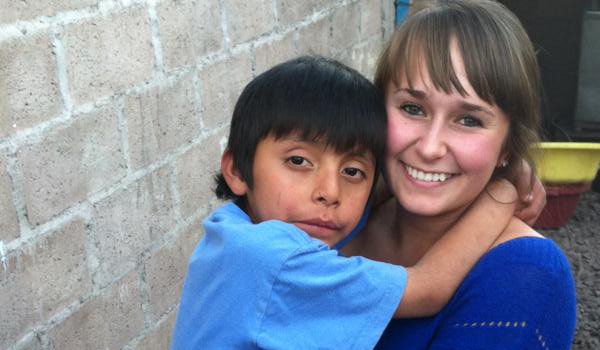


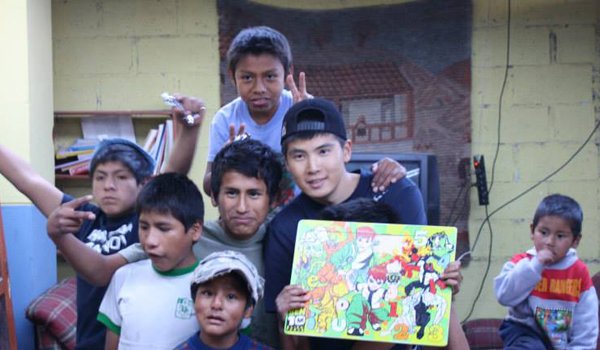
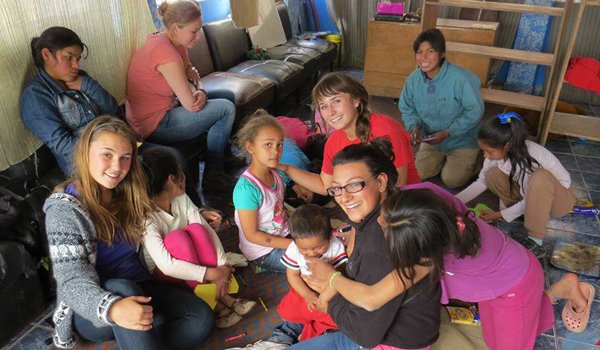
In Ecuador, you can take in the peace of Lake Quilotoa, nestled in the crater of a dormant volcano, or visit El Cajas National Park in Cuenca, where you'll find cloud hiking trails and scenic views.
Unfortunately, Ecuador is a poor country, with more than half of its people living in poverty. Causes are familiar among third-world countries: lack of education and infrastructure, income inequality, and lack of viable employment. Wildlife is similarly threatened, especially in the fragile Galapagos and Andean ecosystems.
Today, orphanages, schools and many local organizations working hard to serve poor communities, children and endangered animals in Ecuador desperately needs volunteers more than ever, and this is where you come in.
When you join a volunteer program in Ecuador, you can teach English in urban and rural schools, work in an orphanage or with street children in Quito, or support conservation efforts in a cloud forest in the Andes or on San Cristobal Island in the Galapagos. The opportunities to serve and make positive impacts in communities and children’s life are endless.
No matter which project you choose, you can rest assured that you’ll be making a huge difference. The teaching and orphanage programs will help create brighter futures for children in need, while the conservation programs will let you make a huge difference in the health of the country’s biosphere.
Take your life in new directions while helping those in need. Request information about volunteering in Ecuador and choose a program that speaks to you!
Take a minute to complete the form and we will be in touch.
Volunteering in Ecuador: Available Projects
IFRE has a project in Ecuador, which is perfect for every volunteer. If you want to help orphaned children, teach, or dedicate yourself to the conservation of unique and fragile ecosystems, you’re sure to find a program you can get excited about.
Volunteer Child Care Project

Duration: 1 - 12 Weeks
Volunteers Aged 18+ And Families
4-5 Hours Volunteering Monday to Friday
Program Fee Starts From $345
Support and care for children in need by volunteering at a local orphanage.
Volunteer Teaching English Project

Duration: 1 - 12 Weeks
Volunteers Aged 18+ And Families
4-5 Hours Volunteering Monday to Friday
Program Fee Starts From $345
Empower communities by volunteering to teach English to children and young adults.
Volunteer Conservation Project

Duration: 1 - 12 Weeks
Volunteers Aged 18+ And Families
4-5 Hours Volunteering Monday to Friday
Program Fee Starts From $345
Protect endangered animals by volunteering on conservation projects.
Volunteer Galapagos Conservation Project
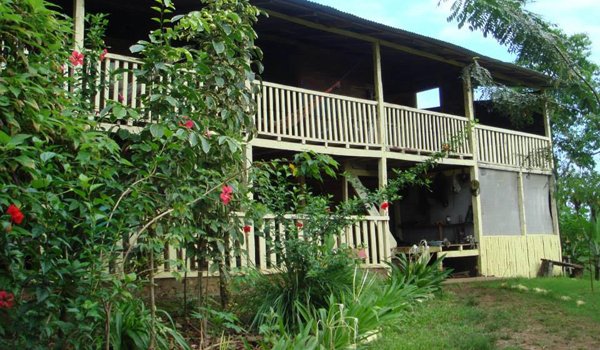
Duration: 1 - 12 Weeks
Volunteers Aged 18+ And Families
4-5 Hours Volunteering Monday to Friday
Program Fee Starts From $632
Help protect one of the world’s most unique ecosystems.
In addition to the above projects, IFRE also offers group programs for high school and college students, family volunteering, alternative spring breaks, and many other unique programs. Contact IFRE for further information.
Program Dates
IFRE programs begin every Monday year-round. If you have travel constraints, you can still start your chosen program on any day of the year.
Please note that for volunteers interested in the teaching project in Ecuador, only preschools for young children remain open during July and August, as all other schools are closed for holidays.
Our Fees
Since 2006, IFRE has been the most trusted and respected volunteer abroad organization in the world, and also the most affordable. We’re dedicated to providing the highest-quality volunteer programs at the lowest fees, making it possible for everyone, especially students, to volunteer internationally and make a positive impact on the lives of others.
We believe in 100% transparency. Rest assured, we never use middlemen. Your one-time registration fee of $299 covers our administrative costs. The low weekly fee is paid in the host country directly to your project (via country coordinator), and includes housing, food, and minor expenses. IFRE is a non-profit organization, so your program fees are tax-deductible.
Ecuador Volunteer Program Fee (US$)
| Weeks | Quito | Galapagos |
|---|---|---|
| 1 Week | $345 | $632 |
| 2 Weeks | $590 | $1,133 |
| 3 Weeks | $835 | $1,633 |
| 4 Weeks | $1,080 | $2,134 |
| 5 Weeks | $1,325 | $2,634 |
| 6 Weeks | $1,570 | $3,135 |
| 7 Weeks | $1,815 | $3,635 |
| 8 Weeks | $2,060 | $4,136 |
| 9 Weeks | $2,305 | $4,636 |
| 10 Weeks | $2,550 | $5,137 |
| 11 Weeks | $2,795 | $5,637 |
| 12 Weeks | $3,040 | $6,138 |
Comprehensive Travel Insurance $4.49/day
Galapagos National Park Entrance Fee - USD 200
Airport Pick up (Quito)- USD 60
Program Fees Cover:
- Accommodation
- Meals
- Program Orientation
- In-country support
- Certificate of completion
- Pre-departure information
- Project Management
- Fundraising ideas and letters
- Discount for returning volunteers
Program Fees Exclude:
- Visas
- Airfare
- Personal expenses on soft drinks and foods
- Daily transportation
- Airport return transfer
The fees cover expenses that will begin on the first day of the program to the last day of the program. If you arrive before the first day of the program or you decide you stay beyond your program’s last day, you will be responsible for the additional expenses for room and meals.
Take a minute to complete the form and we will be in touch.
Accommodation-Room/Food/Supervision
Traveling abroad can be nerve-wracking for many volunteers who might worry about safety, finding a secure place to stay, and how they will manage all of the many details that go into planning a volunteer trip in another country.
With IFRE, you don’t have to worry about a thing because we take care of all those pesky details for you. We have carefully planned your trip down to the tiniest detail and gone out of our way to ensure that everything will go smoothly for you. IFRE arranges safe and comfortable housing, healthy local meals, and offers unparalleled guidance and support by a helpful in-country staff of dedicated humanitarians.
Accommodation and food in Quito
While volunteering in Ecuador, you will stay with a welcoming host family if you choose to volunteer with orphans, and teach English. This will enhance your volunteer experience abroad, as you will have the chance to become fully immersed in the Ecuadorian culture. Host families are all carefully selected, well-educated and have experience with hosting international volunteers. You will enjoy clean, simply furnished, private (occasionally shared with other volunteers) rooms with your host family.
Accommodation in Galapagos and Biological Conservation Project
If you are volunteering in Galapagos Conservation Program, you will be staying in an ecolodge on San Cristobal Island, and if you choose to volunteer at the Biological Conservation Project, you will stay with the family of community people living closer to the project site.
As one of our volunteers in Ecuador you will receive three local meals each day while volunteering with us.
IFRE requests that all volunteers requiring a specific or special diet, inform our offices before their arrival to the country. The host families will do their best to provide vegetarian meal options, however, if the meals do not fit into your diet preferences, you are welcome to buy your own food and prepare it yourself during your time in Ecuador.
If you need more food other than the meals served by your host family, you are able to purchase snacks and meals at local restaurants and grocery stores. You will be sharing the house, kitchen and bathrooms with the family members while volunteering in Ecuador, getting a real glimpse at what life is like in this country. Many houses in Ecuador do not have hot water and you might need to do your own laundry in the house, or the host family may offer to do it for you.
While you are at Ecolodge in Galapagos you will have private room with an attached bathroom. Meanwhile, at the Biological Conservation Project the accommodation includes several single and double rooms, as well as a small dormitory. A spacious propane-powered kitchen serves proper meals and there are social/meeting areas surrounding the kitchen and sleeping blocks, complete with large tables and benches. There is a gas-heated shower building with a wonderful view and the reserve uses external composting toilets.
Our local staff members will maintain contact with you throughout your stay. We visit our volunteers every 2 weeks and you will always be welcome at our local office. We recommend volunteers stop by the office once a week if they are in the local area to let us know how they are doing with their accommodation and project. If your project is very far, then our local staff members will maintain communication via email and/or phone.
For more readings:
- Host family
- What It’s like to Stay with a Host Family
- 12 tips to enhance cultural experience in host families
Read more about the accommodation and meals you can expect while in Ecuador.
Spanish Language Training
Are you hoping to brush up on your Spanish skills to enhance your time volunteering in South America? Then we have you covered.
IFRE offers highly affordable Spanish language classes in Ecuador. These classes are exclusive to IFRE volunteers participating in our Ecuador volunteer experience program. We collaborate with a highly recommended Spanish school and you will be under the tutelage of qualified and experienced Spanish teachers who will offer the most intensive and effective Spanish courses available.
This program is structured so that volunteers may work at their projects and learn Spanish simultaneously. Volunteers can take Spanish classes from 9:00 AM to 11:00 AM (before lunch) followed by volunteering activities at their individual projects. Alternatively, volunteers can take Spanish classes from 3:00 PM to 4:00 PM (after a day of volunteer work). Most of the projects are located close to the Spanish school, so it is possible for volunteers to create their own schedule.
IFRE invites you to improve your Ecuador experience by learning or improving your Spanish skills.
Volunteering in Ecuador: Free Time
You are probably eager to experience Ecuador, take some tours, travel around, and make the most of your time abroad. You’ll have plenty of time to do this, since volunteers are only working at their service projects on average 4-5 hours a day during the week. This leaves your evenings and weekends free to explore!
Most of our Ecuador projects are located in the capital city of Quito, which has an emerging street art scene, incredible food, mountain views, and a rich history. As a big bonus, Quito is blessed with pleasant and wonderful weather year-round, making it an ideal travel destination no matter when you arrive.
A fascinating blend of old and new, Quito is also perfectly located to allow for day trips on your weekends off from your Ecuador volunteer project. This is a great chance for you to get a taste of what else Ecuador has in store for you. The famous Andes mountains loom around the city, and within two hours you can be climbing an icy volcano or rushing down a river raft in the beautiful cloud forest.
If you opt to volunteer at our Galapagos Island project, you will already be stationed in a location many travelers can only dream of visiting! San Cristobal Island where you’ll be based is a treasure trove of amazing experiences. You can go hiking, explore secluded beaches, and go snorkeling and scuba diving where you might glimpse marine iguanas, sea turtles, and the spectacular hammer head sharks!
Wildlife viewing abounds, with massive tortoises, sea lions, and a dizzying array of animals that have adapted specially to life on this unique island archipelago. You can also easily take day trips to the nearby islands to make the most of your free time from volunteering in Ecuador.
Read more about how to spend your free time while volunteering in Ecuador.
Safety and In-country Support
Your safety is IFRE’s number one priority at all times, and you can have peace of mind knowing we will do everything possible to ensure you have a safe and secure experience volunteering in Ecuador. We offer pre-trip support, reliable and comprehensive travel insurance, airport pick-up, and availability to guidance and support by an experienced in-country staff that is right there on the ground to help you every step of the way.
In-Country Support
As soon as you arrive in Ecuador, you will have the support of an experienced team of in-country field staff. The team is comprised of mature, educated, socially respected individuals who are dedicated humanitarians highly experienced in working with international volunteers.
Your main point of contact will be the in-country coordinator. They will select your Ecuador volunteering project placement, make all the arrangements for your airport transfer, accommodation, and food, give you an orientation which covers culture, safety, and your service work, introduce you to your host family and project staff, and make periodic visits and calls to check up on your progress. You can reach out to the coordinator at any time with any questions, issues, or to ask for advice and they will be happy to assist you.
If you’d like to learn more about the safety features and field support offered by IFRE, click here .
Cultural Immersion Opportunities
Volunteering in Ecuador offers a heartwarming and culturally rich experience for those looking to make a lasting difference. Volunteers have the chance to immerse themselves in Ecuador’s vibrant culture. From exploring colorful markets and tasting traditional foods to participating in local festivals and learning Spanish, every day offers a new cultural experience. Volunteers can also visit nearby attractions such as the Andes mountains, colonial cities, or the Amazon rainforest, further enriching their understanding of Ecuador’s diverse traditions and way of life. This project blends meaningful service with authentic cultural discovery.
Take a minute to complete the form and we will be in touch.
Volunteer Testimonials
What people say about us
Ecuador surprised me so much. It’s small but incredibly diverse, and the experience felt very personal .
- Hugo, Denmark
I enjoyed volunteering in Ecuador. IFRE’s team supported me in all ways.
- Mansur, Canada
Ecuador volunteering project taught me a lot .
- Theo, Belgium
I’m really glad I chose Ecuador for volunteering .
- Amelie, Netherlands
Frequently Asked Questions - FAQs
Which airport do I need to fly?
You need to fly to Quito International Airport. But if you are participating Galapagos program you MUST have connected flight to San Cristóbal domestic airport in San Cristobal.
Do you organize airport pick-up services?
Yes, we organize airport pick-up services for our international volunteers. A local representative of IFRE will be waiting at the airport arrival terminal for you upon your landing in Quito International Airport. All of the airport pick-up details will be provided to you before your flight to Ecuador.
What will happen if I miss my flight or arrive late?
If you miss your flight or arrive late to Quito International Airport, then you must inform us immediately either by contacting our in-country coordinator or getting in touch with our office staff via email or telephone. It is crucial that you keep us informed about your travel plans and flight details at all times, so that unnecessary problems can be avoided. Once you inform us of your change in plans, we will arrange a new pick-up time for you.
How can I get to my accommodations from the airport, if I did not get in touch with IFRE’s local representative at the airport?
We make sure to provide the details of our office location and address before the start of any volunteering program in Ecuador. So, if you are not in contact with our local representative, you can simply take a cab at the airport and tell the driver to take you to our office address. If you have booked a hotel room and are arriving early, be sure to have the address handy and have the taxi bring you there, instead.
Who will come to pick me up? How will I recognize this person at the airport?
A local representative of IFRE will come to pick you up at the Quito International Airport before the start of your volunteer placement. IFRE will provide you with all contact details of our representative before your flight to Ecuador, so that once you have landed you can contact them directly. You can recognize our representative by a white signboard with your name written on it.
If my volunteer placement begins on Monday, when should I arrive? If I want to arrive earlier, where will I stay and who will organize the accommodation? Will it cost me extra?
Arriving a day early is always a nice way to start your trip in Ecuador, as this will give you time to relax and prepare for your volunteer experience. You should always try to come to Ecuador on Sunday, if your volunteer program begins on Monday. Let our in-country coordinator know of your plans, and if you need help making arrangements, they can assist you with that.
Who will bring me to the airport for my departure after completing my volunteer work in Ecuador?
IFRE does not provide departure services upon the completion of your volunteer project. However, the in-country coordinator and the local staff can help you find a taxi or a bus to take you to the airport. You will be responsible for paying for this, so make sure you budget accordingly.
What do I need to do prior to my departure from my home country?
You will need to obtain travel insurance, research and apply for your visa, buy your flight tickets and provide your itinerary to our in-country coordinator, and meet with your doctor and get up to date on needed vaccines. IFRE recommends that you research the country ahead of time to learn about the customs and culture, and learning at least a few key Spanish phrases can really help make your trip go more smoothly.
You need to pack your passport, visa, travel insurance, adapters, clothes, walking shoes, camera, water bottle, portable phone charger, towel, map, sunscreen, underwear, socks, first aid kit, deodorant, moisturizer, insect repellent, toothbrush, shaver, sunglasses, flashlight, backpack, and books. You should also bring medicines prescribed by your doctor, as you might not be able to buy them in Ecuador.
What happens during the orientation program in Ecuador?
It is designed to help volunteers feel comfortable and prepared before beginning their placement. During orientation, participants are introduced to Ecuadorian culture, local customs, safety information, transportation guidance, volunteer responsibilities, and program expectations. It’s also a great opportunity to ask questions and get to know fellow volunteers.
Where is the volunteer orientation held in Ecuador?
The orientation is held in Quito, the capital city of Ecuador, where most volunteers begin their journey before traveling to their project placements.
What should I expect when I arrive at Quito International Airport?
An IFRE local representative will be there to welcome you, usually holding a sign with your name. They will help coordinate your airport transfer and make sure you safely reach your accommodation.
What if my flight arrives late at night or very early in the morning?
No worries. IFRE’s airport pickup service is flexible, and volunteers arriving at unusual hours will still be assisted. The local coordinator will organize a suitable pickup arrangement to ensure you arrive safely at your accommodation in Quito.
Can I travel independently from Quito Airport if necessary?
Yes. If you cannot meet the IFRE representative, you may take an official licensed taxi from the airport. Volunteers are advised to use authorized airport taxis and travel directly to the IFRE office or their arranged accommodation to ensure safety.
Should I arrive before my volunteer program officially starts?
Yes. Arriving one day before the program begins is highly recommended. Most volunteers arrive on Sunday if their placement starts on Monday, giving them enough time to rest and attend orientation comfortably.
Can I stay extra days before or after my volunteer placement?
Yes. Volunteers are welcome to arrive earlier or extend their stay after the program ends. Additional accommodation costs are usually separate from the program fee, but IFRE can help arrange extra lodging if requested in advance.
What travel documents should I bring when arriving in Ecuador?
Volunteers should carry important documents including their passport, visa if required, travel insurance information, flight itinerary, and emergency contact details.
What happens on my first day in Ecuador as a volunteer?
Your first day is usually relaxed and focused on helping you settle in. After airport pickup, you’ll be taken to your accommodation and given time to rest. Depending on your arrival schedule, you may also attend a welcome meeting or orientation session where you will meet local coordinators, learn more about your placement, and prepare for the days ahead.
Where are the projects located?
IFRE’s Ecuador volunteer programs are located in Quito and the Galapagos Islands. Located at 2800 meters above sea level, Quito stands out with its emerging street art scenes, incredible food, mountain views, and rich history. Quito has pleasant weather all year long and is perfect for volunteers wanting to get involved in various humanitarian projects.
On the other hand, the Galapagos Island is naturally quaint and largely undisturbed. This allows it to be the best place for international volunteers to take part in all sorts of conservation activities. Each island found within the Galapagos has its own unique landscape, ranging from barren black volcanic rocks to a chain of white sand beaches.
Is there any minimum or maximum length for my stay?
Our volunteer programs run in duration from one to twelve weeks long.
Can I extend my stay if I choose to do so?
Yes, you can extend your stay in Ecuador if you like. You are allowed to participate in an extended assignment or simply join another project of your choice. IFRE will assist you in that process so you can inquire with your in-country coordinator regarding this option.
Will I have enough time to travel after work and on weekends?
You will have plenty of free time to travel in the evenings and on the weekends. IFRE’s volunteer work in Ecuador are designed flexibly to give you ample time for leisure and excursion, as well as giving back and making a difference. You will get many opportunities to explore Ecuador’s culture and sights.
Who will guide or support me in my volunteer project?
All of our projects are managed by a competent and experienced in-country coordinator . The in-country coordinator looks after you and provides constant support and guidance on a daily basis. You can ask assistance from our in-country coordinator in case of emergency and can always rely on him/her to solve your problems during your time abroad.
Can I change my project if I do not like the one, I chose?
Yes, it is possible for you to change your projects before and after your arrival to Ecuador. IFRE always tries to satisfy your every need, and our volunteers have a 99% satisfaction rate and very rarely seek to switch projects. Get in touch with our in-country coordinator to discuss an alternate placement, and one will be found based on availability.
Can I work in more than one volunteer program at a time?
Yes, you can participate and work in more than one volunteering project in Ecuador at a time. All it takes is a simple process of documentation and authentication of credentials. However, it can be physically and mentally exhausting, so we do not advise it. You will work a minimum of four hours at each project, and sometimes more. If you choose to take this on contact your in-country coordinator, but you must be fully aware that it is going to be a challenge. A more manageable option might be volunteering at one project for the first half of your trip, and another for the second half.
How old should I be to take part in these projects?
You have to be at least 18 years old to participate in our programs. However, there are times when we will accept minor volunteers (aged 17 and 16) with a proof of consent from their legal guardians. Minors can also volunteer alongside their parents.
Who manages the volunteering program in Ecuador?
IFRE’s programs are managed by an in-country coordinator based in Ecuador. The in-country coordinator is experienced and highly prepared to look after you during your time abroad. If there is any issue regarding the project, you can discuss it with the in-country coordinator to find a solution and continue your work.
Will I receive any training before the start of the project?
Yes, you will receive a training class before the start of your volunteer placement. The training session will let you get familiar with the norms and customs of Ecuador and its people, along with your schedule and the work you will be doing at your project. You will also learn how to stay safe and avoid potential security threats while traveling in South America.
Is there a dress code for the project?
There are no specific dress codes to follow in Ecuador. You can wear casual clothes and what feels comfortable to you, however, IFRE asks that you dress in a modest and conservative manner.
What types of volunteer projects are available in Ecuador with IFRE?
We offer childcare volunteering, teaching English, nature conservation, and Galápagos conservation projects. Volunteers can choose a program that matches their interests, experience, and travel goals, making Ecuador an excellent destination for meaningful volunteer travel.
Why are Quito and the Galápagos Islands popular volunteer destinations in Ecuador?
Quito and the Galápagos Islands offer two very different but equally rewarding volunteer experiences. Quito is known for its community-based projects such as teaching and childcare volunteering, while the Galápagos Islands are famous for wildlife conservation and environmental protection programs in one of the world’s most unique ecosystems.
Can I choose where I want to volunteer in Ecuador?
Yes. Volunteers can usually choose between projects based in Quito or conservation placements in the Galápagos Islands depending on their interests and preferred type of experience.
Can I combine projects in Quito and the Galápagos?
Yes, you can. Volunteers choose to combine or switch between programs in Quito and the Galápagos Islands to experience both community volunteering and conservation work during their stay in Ecuador.
What is the climate like in Quito?
Quito enjoys a mild, spring-like climate year-round because of its high altitude. Temperatures are generally comfortable for volunteering and sightseeing, although occasional rain showers can occur, so it’s a good idea to pack for changing weather conditions.
Can I travel around Ecuador during my volunteer program?
Yes. Volunteers explore other parts of Ecuador during weekends and after completing their placement. Popular destinations include Cuenca, Baños, Otavalo, the Amazon region, and the Andes mountains. Ecuador’s compact size makes traveling around the country easy and convenient.
Are volunteer placements located in urban or rural areas?
It depends on the project. Programs based in Quito are usually located in urban or semi-urban communities, while conservation projects take place in rural environments, cloud forests, or remote island locations such as the Galápagos.
Is transportation provided between project sites?
Volunteers are responsible for covering their own daily local transportation costs if needed. However, the local coordinator will provide guidance and advice on the safest and most convenient transportation options for getting to and from the project site.
Why should I choose Ecuador for volunteering abroad?
Ecuador is one of the most rewarding volunteer destinations in South America because of its rich culture, welcoming communities, incredible biodiversity, and affordable volunteer programs. From the Andes mountains to the Amazon rainforest and the Galápagos Islands, Ecuador offers a unique combination of adventure, cultural immersion, and diverse volunteer experiences.
Why do I have to pay to volunteer abroad?
IFRE is an American based non-profit volunteer organization that needs money to run its safe and life-changing programs. IFRE does not receive any funding from the government and is completely dependent on its volunteer program fees for the operation and management of its programs. Money paid by volunteers like you helps IFRE to cover its expenses such as utility bills, rent, advertisement, salaries of the staff, and taxes of the company. All of this cannot be covered unless IFRE charges a small volunteer program fee.
In addition, the fee you pay covers many expenses for your trip including housing, food, training, supervision, and a donation made directly to your project.
Why are IFRE’s fees so much more affordable than the fees of other volunteer organizations?
IFRE serves as a non-profit volunteer organization and aims to provide affordable and meaningful volunteer opportunities abroad. Profit is not a motivating factor for IFRE to run its programs. The project fees are just enough to sustain and run the projects without any additional profit, which allows us to charge a much lower fee than other organizations.
Can I get a tax deduction for my volunteer program in Ecuador?
Yes, you can get a tax deduction for all of our programs since we are a non-profit American 501©3 volunteer organization which collaborates with many local institutions and NGOs in Ecuador.
Can I get help with raising funds?
Yes, IFRE can help you raise funds for your volunteer abroad trip. Contact us to learn more about how we can help.
For further readings:
Cost /money matter
Why to pay for volunteer abroad
How to reduce the cost of volunteer abroad
Pay fee directly to host family
What is included in the volunteer program fee in Ecuador?
The volunteer program fee in Ecuador generally includes accommodation, daily meals, airport pickup, orientation, placement arrangement, and ongoing in-country support from local coordinators throughout your stay.
How much does it cost to volunteer in Ecuador with IFRE?
The total cost depends on the type of project you choose and the length of your stay. Different programs have different pricing structures, so volunteers are encouraged to contact IFRE directly for detailed fee information and program cost breakdowns.
Are there any hidden costs in the Ecuador volunteer program?
No, IFRE maintains transparent pricing with no hidden charges. However, volunteers should budget separately for personal expenses such as international flights, travel insurance, visa fees if required, weekend travel, local transportation, snacks, shopping, and leisure activities.
Why isn’t volunteering abroad in Ecuador free?
Volunteer programs involve many operational expenses including accommodation, meals, local staff support, project coordination, orientation, community partnerships, and administrative costs.
Can I choose how long I want to volunteer in Ecuador?
Yes. Volunteers can select program durations ranging from 1 week up to 12 weeks depending on their availability, schedule, and travel goals.
Are accommodation and meals included in the program fee?
Yes, accommodation and meals are usually included. Most volunteers stay with local host families and receive daily meals, giving them the opportunity to experience Ecuadorian culture and hospitality firsthand.
Can I pay the volunteer fee in installments?
In many cases, flexible payment arrangements may be possible. Volunteers are encouraged to contact the IFRE program coordinator directly to discuss available installment plans or payment options.
Can I receive a refund if I cancel my volunteer program?
Refund eligibility depends on the timing of the cancellation and the program’s terms and conditions. Volunteers should carefully review the cancellation policy or speak with IFRE staff directly for detailed information before confirming their placement.
Is it safe to travel to Ecuador?
Yes, it is very safe to travel and volunteer in Ecuador. There are no travel risks or warnings for visiting Ecuador. Your safety is our primary concern, and IFRE provides a full 24/7 support to its volunteers from their arrival until the end of the project.
What safety measures should I take during my volunteer trip in Ecuador?
We make sure that you get safely transported to your accommodation from the Quito International Airport. We then have an orientation session between you and the in-country coordinator responsible for the projects. We advise you to learn about all the safety hazards of traveling abroad before coming to Ecuador. As you would anywhere, you will need to take normal safety precautions, staying aware of your surroundings, not walking alone in dangerous areas or at night, carrying minimal cash on your person, etc.
What will happen if I get sick in Ecuador?
If you get sick during your volunteer placement, then you will be taken to a nearby local hospital or clinic, depending on the severity of their health condition. Our local staff and in-country coordinator will do everything possible to keep you healthy. However, our volunteers must always keep our staff informed about their health condition, so that the staff can arrange for a quick check-up before things get worse. Be sure to bring along your passport and a copy of your insurance to present to the physician.
Why must I get travel insurance before beginning my volunteer trip?
It is required for you to purchase travel insurance before joining our volunteer projects in Ecuador to cover you in the event of illness, injury or emergency during your time abroad. If you need assistance in obtaining appropriate coverage, IFRE can assist you in providing an affordable, reliable, and comprehensive policy.
What vaccination do I need to have?
It is vital to understand what vaccinations you need to have for volunteering abroad. For people traveling to Ecuador, the CDC recommends vaccinations for hepatitis A, hepatitis B, typhoid. You can learn more about these vaccinations here :
For further readings:
Vaccination
Volunteer Health and Safety
Safety Tips for Your Volunteer Abroad Trip
Is Ecuador safe for solo volunteers and gap year travelers?
Yes, Ecuador is generally considered safe for solo travelers, gap year students, and international volunteers, especially when joining organized programs like IFRE. Volunteers are placed in supportive communities and receive structured guidance, orientation, and local supervision to help ensure a safe and comfortable experience.
What kind of safety support does IFRE provide in Ecuador?
IFRE provides continuous in-country support through experienced local coordinators who assist volunteers from arrival until the end of the program. Support includes airport pickup, accommodation assistance, emergency help, orientation sessions, and daily guidance throughout the placement.
What should I do in case of an emergency while volunteering in Ecuador?
If an emergency occurs, volunteers should contact their local coordinator or project staff immediately. IFRE has emergency procedures in place and can assist with medical support, transportation, communication, and access to nearby hospitals or local authorities if needed.
Are volunteers supervised during their placement?
Yes, volunteers are supervised by local coordinators, teachers, or project staff depending on the placement. This helps ensure safety, proper support, and clear guidance throughout the volunteer experience.
What are some important safety tips for volunteers in Ecuador?
Volunteers are encouraged to keep valuables secure, avoid carrying large amounts of cash, use official taxis, stay aware of their surroundings, and follow the safety advice provided during orientation. Traveling with friends or groups whenever possible is also recommended.
Will I receive safety training before starting my placement?
Yes, all volunteers receive a safety and orientation session upon arrival. This includes information about local culture, transportation, emergency procedures, safe travel practices, and important guidelines for living and volunteering in Ecuador.
What medical support is available during the program?
If a volunteer becomes sick or injured, IFRE staff can help arrange medical treatment at nearby clinics or hospitals. Coordinators are available to assist with communication, transportation, and support during the treatment process if necessary.
Is healthcare reliable in Ecuador for international volunteers?
Yes, Ecuador has reliable healthcare facilities in major cities such as Quito. Private clinics and hospitals offer good-quality medical care. Volunteers are strongly encouraged to have travel insurance to cover medical expenses during their stay.
What should volunteers avoid doing for safety reasons?
Volunteers should avoid traveling alone late at night, displaying expensive belongings in public, accepting rides from strangers, or visiting unfamiliar areas without guidance from local staff or coordinators.
Who should I contact if I feel unsafe during the program?
If you ever feel unsafe or uncomfortable, you should immediately contact your local coordinator or IFRE support staff. Volunteers are provided with direct contact information so assistance can be given quickly whenever needed.
Why is IFRE considered a safe volunteer organization in Ecuador?
IFRE is considered a trusted and safe organization because it provides carefully organized placements, experienced local coordinators, emergency support, vetted accommodations, airport assistance, and comprehensive orientation to help volunteers feel supported and secure throughout their experience in Ecuador.
Do I need a visa to volunteer and travel in Ecuador?
Yes, the government of Ecuador requires any foreign individuals entering the country to obtain a tourist visa from its immigration department. You can learn more about Ecuador’s visa and immigration policies:
How do I apply for a visa?
You can apply for an Ecuadorian tourist visa by visiting the official Embassy of Ecuador located in your home country. You should bring your original passport, an ID photo for the visa application form, and any other supporting documentation that is requested of you. You may be able to obtain a visa upon arrival. You will need to do your own research online to make yourself aware of the requirements to obtain a visa based on your home country.
Can I extend my visa while I am in the country? Can you help me with this?
Yes, you can extend your Ecuadorian tourist visa for an extra 90 days through the Immigration Department in Ecuador. You must extend the visas before the expiration of your authorized stay, or else you will have to pay extra. If you need advice regarding this matter, reach out to our in-country coordinator.
Can I volunteer in Ecuador on a tourist visa?
Yes, most international volunteers enter Ecuador using a tourist visa or through visa-free entry depending on their nationality. This is the most common option for short-term volunteer programs in Ecuador.
Do I need a special volunteer visa for Ecuador?
In most cases, a separate volunteer visa is not required. Volunteers usually join short-term programs while entering Ecuador on a tourist visa or visa-free travel permission based on their country of citizenship.
Can I get a visa on arrival in Ecuador?
Some nationalities are eligible for visa-free entry or visa-on-arrival access for tourism purposes. Entry requirements can vary depending on your country, so volunteers should always check with the Ecuadorian embassy or consulate in their home country before traveling.
How can I extend my stay in Ecuador as a volunteer?
If you would like to stay longer, you can usually apply for an extension through the Ecuadorian Immigration Department before your initial stay expires. IFRE coordinators can provide general guidance and support during the extension process if needed.
Can I re-enter Ecuador after my visa expires?
Re-entry policies depend on your nationality and current Ecuadorian immigration regulations. In some cases, travelers may need to leave the country for a certain period before re-entering. Volunteers should confirm the latest immigration rules with official authorities or the Ecuadorian embassy.
What passport validity is required for traveling to Ecuador?
Your passport should generally be valid for at least six months beyond your planned departure date from Ecuador. This is a common travel requirement for most international visitors and volunteers.
How do I contact IFRE’s local coordinator during my volunteer work in Ecuador?
We provide you contact details of our local coordinator, so getting in touch will not be a problem. You can either call them or email them to ask questions and they will be available to help you if you need any assistance or advice.
How can I communicate with my family from Ecuador?
You can use the free Wi-Fi to talk to your family and friends via Teams, Facebook or Gmail. You can also use the local phones or buy a local SIM card and contact them in this way at any time you choose.
Can I use my phone?
Yes, you can use your mobile phone. However, you need to reach out to your current provider prior to travel to ensure your phone will work while you are traveling abroad. International roaming charges may apply, and these can be quite expensive.
Can I buy a SIM card in Ecuador?
Yes, you can buy a local SIM card in Ecuador at the local shops near your accommodation and project sites. You will need to have your original passport and one ID photo for documentation. Again, check with your provider before leaving to be sure your phone will function with the foreign SIM.
How can I get internet services?
To purchase internet services, you must buy a local SIM card and ask the SIM card vendor to activate the internet services you select. Visitor TIM is the most popular SIM card in Ecuador for foreign volunteers and travelers.
Are internet services available everywhere?
Yes, internet services are available everywhere in Ecuador. Even where you cannot find free Wi-Fi, you can easily access the web with a mobile phone that has any of the local SIM cards.
How good is the internet speed in Ecuador for volunteers?
Internet speed in Ecuador is generally reliable in major cities like Quito, where volunteers can comfortably use WiFi for browsing, messaging apps, social media, and video calls. In rural or remote project areas, including conservation sites, the connection may be slower or less stable, but still usable for basic communication. Occasional interruptions or slower speeds can happen depending on location and weather conditions.
Is mobile data expensive in Ecuador for volunteers?
No, mobile data in Ecuador is quite affordable compared to many other countries. Volunteers can easily purchase local SIM cards with budget-friendly data packages, making it convenient to stay connected throughout their stay for calls, navigation, and internet use.
Will I have access to charging facilities for my phone and laptop?
Yes, most host families and volunteer accommodations provide electricity and basic charging facilities. Volunteers are advised to bring a universal travel adapter, as Ecuador uses standard plug types that may differ from those in their home country.
What should I do if I have trouble accessing the internet in Ecuador?
If you experience internet or connectivity issues, you can reach out to your local coordinator for assistance. They can help you troubleshoot SIM card settings, suggest nearby WiFi locations, or provide alternative solutions so you can stay connected when needed.
What do I need to bring?
You need to bring your passport, visa, flight tickets, travel insurance, clothes, hiking boots, shoes, rain jacket, credit/debit cards, insect repellent, camera, laptop, water bottle, backpack, hand sanitizer, adapter/convertor, flash light, pocket knife, first-aid kit, sunscreen, USB drive, books, masks, towel, and toiletries. IFRE provides bedding, but you may feel a sleeping bag is needed and you are welcome to bring it along.
What type of clothes should I pack for volunteering in Ecuador?
Volunteers should pack a mix of lightweight clothing for daytime activities, comfortable outfits for travel, and modest clothing suitable for working in schools or community settings. Since Ecuador has varied climates, layering is the best approach.
Do I need warm clothes for Quito volunteer programs?
Yes, Quito can feel cool because of its high altitude, even though the climate is generally mild. Volunteers should bring a light jacket, sweater, and layered clothing, especially for mornings and evenings when temperatures drop.
What should I pack for Galápagos volunteer programs?
For the Galápagos Islands, pack breathable summer clothing, swimwear, a hat, sunglasses, and strong sun protection. Comfortable walking shoes are important, and reef-safe sunscreen is highly recommended due to intense sunlight and outdoor activities.
Can I buy essential items in Ecuador if I forget something?
Yes, most essential items such as toiletries, clothing, and basic necessities can be easily purchased in Ecuador, especially in cities like Quito and popular travel areas.
Should I bring cash or use cards in Ecuador?
It is best to carry a combination of both. Cash is useful for small shops, transport, and local purchases, while debit and credit cards are widely accepted in cities and larger establishments.
Is a first-aid kit necessary for volunteering in Ecuador?
Yes, bringing a basic first-aid kit is strongly recommended. It should include pain relievers, band-aids, antiseptic cream, motion sickness tablets, and any personal prescription medications you may need.
Do I need insect repellent for Ecuador volunteer programs?
Yes, insect repellent is very important, especially in rural areas, cloud forests, and jungle regions where mosquitoes and other insects may be present.
What type of backpack is best for volunteering in Ecuador?
A medium-sized backpack or daypack is ideal for daily use. It should be lightweight, durable, and comfortable enough to carry essentials for volunteering activities, travel, and weekend exploration.
Popular Articles
Other Volunteer Destinations
Take a minute to complete the form and we will be in touch.
