
- Nepal Home
- Work in Orphanage
- Teaching English in Rural Schools
- Work in Healthcare Project
- Work in Dental Project
- Teaching Buddhist Monk
- Photo Journalism Project
- Summer Program(5 Weeks)
- Language & Culture
- Volunteers' Review
- Nepal Accommodation
- Nepal Free Time
Volunteer Nepal Monastery
Have you dreamed of immersing yourself in the hallowed halls of a Buddhist monastery? How would you like to help teach young monks English and empower them to spread their message of peace to the world?
Although Nepal is predominantly Hindu, it is also the birthplace of Buddhism and home to many sacred temples and monasteries. These sites attract spiritual seekers from around the world and offer a deep insight into Buddhist culture.
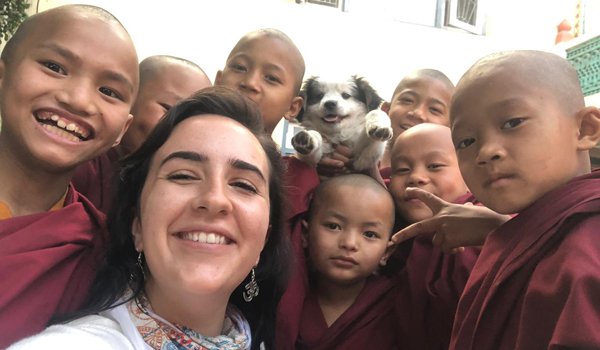
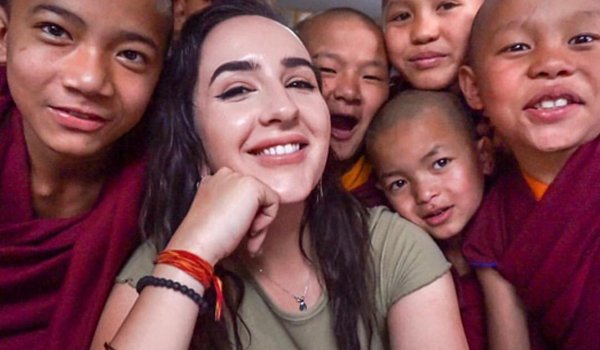
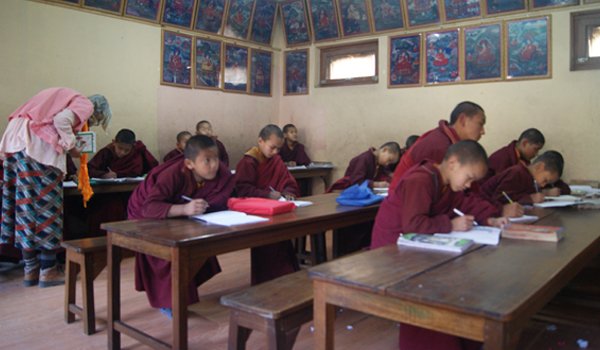
Nepal is also home to a large Tibetan refugee community, with many living in monasteries around Kathmandu. Here, monks devote their lives to practicing and preserving Buddhist traditions.
With the rise of globalization, there’s a growing need for young monks to learn English to better share their teachings with the world. Since the monasteries lack English tutors, volunteers like you can make a real difference.
By joining IFRE’s Buddhist Monastery Volunteer Program in Nepal, you’ll help monks develop their language skills and support their mission of spreading peace and wisdom in a modern world.
Take a minute to complete the form and we will be in touch.
Monk Teaching Volunteer Program: At a Glance
Program Objectives
Teach English & encourage cultural exchange
Program Start Dates
Programs begin every Monday
Volunteer Duration
Select from 1 to 12 weeks
Volunteer Commitment
2 to 4 hours per day
Eligibility
Volunteers 18 years and older, including families
Accommodation/Food
Volunteer House/Monastery- 3 Home Cooked Meals/Day
Skills and Qualifications
Other than fluency in English, there are no specific skills or experience needed to join this teaching project The most important qualification for this project is a desire to help young monks learn and to make a big difference in their lives. You must be 18 years or older and speak English. Volunteers with a strong interest in Buddhism and learning more about monastery life will get the most out of this experience.
Volunteer Responsibilities and Impact
This project is seasonal and remains closed from the end of December through the end of February.
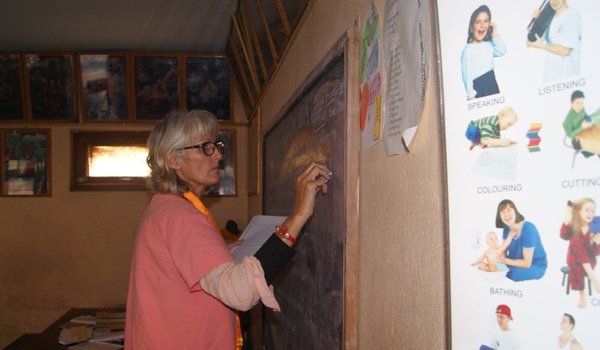
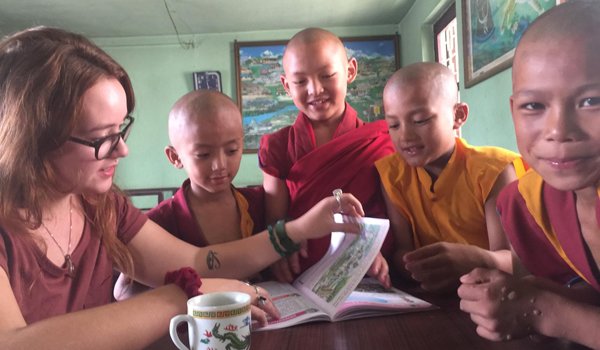
You will be teaching English to Buddhist monks of Nepal between the ages of 5-17 with the assistance of a Lopon, or Buddhist master. You can expect to conduct 2-4 classes per day, each about an hour long. You will also organize fun extracurricular activities like singing, indoor games, dancing, drawing, etc. Mornings and late evenings will be free, which is the perfect chance to witness monastery rituals and participate in meditation and prayer ceremonies.
Volunteering in a Buddhist monastery Nepal is an amazing chance to immerse yourself in the Buddhist culture and learn and grow spiritually. By teaching English to the young monks, you are enriching their lives and giving them the tools they need to spread their message of peace and acceptance to the world.
Concerns to Keep in Mind While Volunteering at a Buddhist Monastery in Nepal
Nepal monastery volunteers must show a high level of respect to the monks, the Sherpa community, and the rules and customs of the monastery. You should behave as a good role model for the young monks and dress conservatively. Shorts and tank tops will not be permitted except in the privacy of your own room.
Generally, in Nepal monasteries, the young monks take classes in a certain time of the day. The monks usually carry out their prayers, meditation and worshipping during the morning and evening. You can engage in such prayers as well, although this is mainly dependent on the flexibility granted by monastic officials.
Buddhist monasteries are the religious organizations; thus, it is crucial to be mindful of your behavior, appearance, and conduct when in the monastery surroundings. Alcohol use and smoking are both absolutely forbidden.
Volunteer Schedule
Each day you volunteer in the Nepal monastery will be an amazing experience as you immerse yourself in Buddhist teachings and the way of life of the monks.
At this unique project, your daily schedule will revolve around the activity of the monastery. Your day will be punctuated by times of prayer, ceremony, and reflection. Your schedule will likely vary from day to day, but here is a sample to give you an idea of what to expect:
5:30 AM – Morning Puja
Begin your day with peaceful chanting and rituals in the monastery’s main prayer hall. A serene moment to center yourself and embrace the monastic rhythm.
7:30 AM – Breakfast
Enjoy a warm, simple meal with the monks and fellow volunteers. A chance to fuel up and ease into the day with friendly conversation.
9:00 AM to 11:00 AM – Teaching English
Lead engaging English lessons through games, stories, and conversations. Young monks are eager learners who bring energy and curiosity to the classroom.
11:00 AM to 11:30 AM – Tea Break
Sip butter tea or milk tea while chatting with monks and other volunteers in Nepal. These relaxed moments are often filled with laughter and connection.
11:30 AM to 12:00 PM – Continued Teaching
Wrap up your lessons or dive into a fun group activity or review session. Short and sweet, this time helps reinforce what the kids have learned.
12:00 PM to 2:00 PM – Lunch & Break
Share a hearty meal, often dal bhat, with the monastic community. Use this time to relax, journal, or bond more with your students.
2:00 PM to 4:00 PM – Afternoon Classes
Team up with the senior monk (Lopon) to teach or assist with class. Afternoon sessions are calm and focused, with time for deeper learning.
4:00 PM to 4:30 PM – Tea Time
Take a well-earned break with tea and light snacks. It’s a great pause to reflect or simply enjoy the view.
4:30 PM to 6:00 PM – Evening Puja & Refreshments
Rejoin the monks for evening prayers and meditative chanting. Afterward, enjoy refreshments and soak in the peaceful twilight.
6:00 PM – Dinner & Reflection
Dinner brings everyone together for a final meal of the day. Wind down, reflect, and prepare for another meaningful day ahead.
Please note that the daily schedule may vary depending on the project you are placed in.
Dates and Fees
Our Fees
IFRE is the most trusted and respected volunteer abroad organization in the world, and also the most affordable. We’re dedicated to providing the highest quality volunteer programs at the lowest fees, which makes it possible for everyone, especially students, to travel internationally and make a positive impact in the lives of others.
We believe in 100% transparency. Rest assured, we never use middlemen. Your one-time registration fee of $299 covers our administrative costs.
The low weekly Nepal volunteer teaching monks program fee goes directly to your host family, and includes housing, food, project donation, and minor expenses. IFRE is a non-profit organization, so your program fees are tax-deductible.
Program Dates
IFRE programs begin every Monday year-round. If you have travel constraints, you can still start your chosen program on any day of the year.
Volunteer Program Fees (US$)
| Weeks | Kathmandu (Monastery) |
|---|---|
| 1 Week | - |
| 2 Weeks | $350 |
| 3 Weeks | $500 |
| 4 Weeks | $650 |
| 5 Weeks | $800 |
| 6 Weeks | $950 |
| 7 Weeks | $1,100 |
| 8 Weeks | $1,250 |
| 9 Weeks | $1,400 |
| 10 Weeks | $1,550 |
| 11 Weeks | $1,700 |
| 12 Weeks | $1,850 |
Comprehensive Travel Insurance $4.49/day
Language and culture program $250
Program Fees Cover:
- Accommodation (host family)
- Food (local food 3 times a day)
- Program Orientation
- In-country support
- Personalized project
- Pre-departure information
- Certificate of completion
- Fundraising ideas and letters
- Discount for returning volunteers
Program Fees Exclude:
- Visas
- Airfare
- Personal expenses on soft drinks and foods
- Daily transportation
- Airport return transfer
Take a minute to complete the form and we will be in touch.
Accommodation and Meal
As a volunteer in the Nepal Monastery or Buddhist Monk Teaching Program, you’ll be provided with safe, comfortable, and culturally enriching accommodation. Depending on your specific placement, you’ll either live in the monastery alongside the monks or in a nearby volunteer house. Unlike in many traditional monastic settings, both male and female volunteers are welcome to stay in the monastery, allowing for a deeper level of cultural and spiritual immersion.
Living within the monastery is a truly unique and peaceful experience. You'll be surrounded by the soothing chants of daily prayers, have the chance to observe or take part in rituals, and follow the tranquil rhythm of monastic life. It's a rare opportunity to disconnect from the hustle of modern life and connect with Nepal's deeply rooted spiritual traditions.
If you're placed in the volunteer house, you'll stay in a welcoming and supportive environment shared with other like-minded international volunteers. The house is clean, safe, and managed by caring local staff who are always available to assist you. This setting offers a more social atmosphere, where you can exchange stories, make friends, and reflect on your experiences together.
Meals are included throughout your monastery volunteering program in Nepal, and you'll be served three freshly prepared, home-cooked Nepali meals each day. These meals typically feature dal bhat (lentil soup with rice), a variety of vegetables, pickles, and sometimes meat or egg dishes, depending on your location and preferences. The food is healthy, filling, and gives you a real taste of Nepalese culinary culture.
Whether you're soaking in the peaceful vibes of a monastery or bonding with fellow volunteers at the house, your accommodation and meals will be a comforting and enjoyable part of your meaningful journey in Nepal.
Program Location, Free Time, and Weekends
Our Buddhist Monk Teaching Volunteer Program in Nepal is based in Kathmandu, the spiritual and cultural heart of Nepal. This vibrant city offers the perfect balance between peaceful monasteries and the lively rhythm of everyday life. Surrounded by the majestic Himalayas and steeped in centuries of tradition, Kathmandu is a place where ancient wisdom meets modern charm. You’ll find yourself living near sacred stupas and serene monasteries while enjoying the energy of a city filled with colorful festivals, traditional art, and friendly locals.
When you're not volunteering in Monastery in Nepal, your mornings and evenings are free to explore Kathmandu’s rich heritage. Walk through the bustling streets to visit landmarks like Swayambhunath Stupa, a sacred Buddhist site perched on a hilltop, or Bauddhanath, one of the largest stupas in Asia. Explore Durbar Square with its palaces and courtyards, or catch sunset views from Dharahara Tower. Whether you're wandering through ancient alleys or enjoying a cup of tea with locals, every moment offers a glimpse into Nepal’s deep spiritual roots.
Weekends are your chance to go beyond the city. Take a trip to Pokhara, where you can relax by the lake and take in panoramic mountain views, or head to Hetauda for a peaceful nature retreat. For wildlife lovers, a visit to Chitwan offers jungle safaris and a chance to experience local Tharu culture. Whether you're seeking spiritual growth or outdoor adventure, your time in Nepal will be unforgettable.
Safety and in-Country Support
Your safety is our main priority here at IFRE. We have a fantastic in-country team who will support and guide you every step of the way while you are in Nepal monastery volunteer. We have carefully vetted every single aspect of your trip and will make sure you have a secure and successful volunteer trip abroad.
Learn more about IFRE’s safety and in-country support in Nepal. .
Cultural Immersion Opportunities
Volunteering with Buddhist monks offers a truly immersive cultural experience. You'll not only teach English but also observe and engage with daily monastic life. You’ll have the unique chance to learn about Buddhism firsthand, witness early morning prayers, and experience the peaceful rhythm of monastic traditions.
To deepen your connection with Nepal, we offer optional Nepali language lessons, which can help you communicate better and bond more easily with the monks and local community. You may also live with a host family or stay in a volunteer guesthouse near the monastery, giving you an authentic view into Nepalese daily life.
Throughout your Nepal monastery volunteer program, you may witness or participate in traditional ceremonies, local festivals, and temple rituals, depending on the season. These experiences offer you the rare opportunity to not only teach but also grow spiritually and culturally.
Take a minute to complete the form and we will be in touch.
Volunteer Testimonials
What people say about us
Teaching young monks through IFRE was deeply humbling. Their discipline and kindness changed how I see education.
- Daniel R.
IFRE made it easy to connect with the monastery and feel truly welcomed. This experience will stay with me forever .
- Laura M
Sharing English lessons with monks in Nepal was incredibly meaningful. IFRE’s coordination was thoughtful and respectful.
- Thomas K
This program wasn’t just teaching—it was cultural exchange at its purest. IFRE does an excellent job supporting volunteers.”.
- Emily S
Frequently Asked Questions-FAQs
What does it mean to volunteer with monks in Nepal?
Volunteers in Buddhist monasteries teach English, support educational activities, and engage in cultural exchange. This program focuses on mutual learning rather than religious influence.
How can I teach English to monks in Nepal as a volunteer?
Volunteers lead conversational English classes, pronunciation practice, reading exercises, and basic grammar lessons. Teaching methods are simple and interactive, and creative strategies from volunteers are appreciated.
Where are monastery volunteer placements located in Nepal?
Volunteer placements for this program are located in or around Kathmandu. The monastery placement allows volunteers to enjoy a rare experience of monastic life.
How long can I volunteer with monks in Nepal?
IFRE offers flexible placement durations, ranging from one week to twelve weeks. Short-term volunteering is ideal for travelers, while longer stays allow for community impact and better bonding with locals.
What kind of English do monks want to learn?
Monks want to improve their spoken English, listening skills, vocabulary, and pronunciation. Teaching English to monks in Nepal focuses on daily conversation, storytelling, debates, and real-life communication skills, not academic English.
Will I receive orientation before starting monastery volunteering in Nepal?
Yes, all volunteers get a detailed orientation covering monastery rules, cultural etiquette, teaching methods, daily schedules, and expectations.
Is volunteering in a Nepal monastery a religious program?
No, volunteering with monks in Nepal is a cultural and educational program. Volunteers of all religions and beliefs are welcome, as long as they respect Buddhist customs and monastery guidelines.
Can non-Buddhists volunteer in Buddhist monasteries in Nepal?
Yes, non-Buddhists are very welcome to volunteer in Buddhist monasteries in Nepal. In fact, the program is designed for cultural exchange.
What cultural rules should I follow while volunteering in a monastery?
Volunteers should dress modestly, remove shoes before entering prayer areas, avoid physical contact with monks, and respect daily rituals. Cultural sensitivity is crucial in this program.
Is meditation part of the monastery volunteer experience?
Meditation is optional and available within the monastery. Interested volunteers can observe or participate in meditation sessions.
Can students join the monk teaching volunteer program in Nepal?
Yes, students are highly encouraged to join the monk teaching volunteer program in Nepal. It is an excellent opportunity for cultural learning, personal growth, and gaining international volunteering experience.
Is Nepal monastery volunteering suitable for gap-year travelers?
Yes. Nepal monastery volunteering is ideal for gap-year students looking for meaningful travel, cultural immersion, and educational contribution while enjoying the thrill of Nepal.
What impact does volunteering with monks in Nepal create?
Volunteers help monks gain confidence in English communication, opening opportunities for education and global interaction. In return, volunteers gain cultural awareness, teaching experience, mindfulness, and insight into monastic life.
Will I work alone or with other volunteers?
Volunteers generally work alongside other international volunteers, allowing them to exchange teaching ideas, share cultural experiences, and support one another throughout the program.Is English the main language used in monasteries?
English is not the main language used in monasteries. In many monasteries, monks primarily speak Tibetan, while in others, they may use local ethnic languages along with Nepali in daily communication. English is usually introduced only during teaching sessions.
What should I pack for volunteering in a monastery in Nepal?
Volunteers should pack modest clothing, comfortable shoes, teaching materials (optional), and personal essentials. Dressing respectfully is essential at monasteries.
Is the monastery volunteer program in Nepal safe?
Yes, Nepal monastery volunteering programs are designed to be safe. Local coordinators provide support, and monasteries offer a peaceful and secure environment for volunteers.
Can couples or friends volunteer together in Nepal monasteries?
Yes, couples and friends can volunteer together and be placed at the same monastery, depending on availability.
How does this program support cultural exchange?
Volunteering with monks in Nepal promotes cultural understanding through daily interaction, shared stories, language learning, and mutual respect between volunteers and the monastic community.
Is teaching English in monasteries in Nepal challenging?
Teaching is generally informal and enjoyable. Monks are respectful, motivated learners, making the teaching experience rewarding rather than stressful.
What is the name of the monastery I will be placed in?
You will receive all the details on your final placement and accommodations after your application has been processed.
What is the age range of the monks in the monastery? How many monks are in the monastery? How many of them are in each class?
This varies, but for the most part, you will be teaching monks aged from 8-15 years old. The average number of monks in the monastery is 50-150, with 10-12 monks in each class.
Will I be handling the classes on my own, or will someone be assisting me while volunteering to teach in a Buddhist monastery in Nepal?
In most cases, volunteers handle the English classes independently and are responsible for teaching during the scheduled class times provided by the monastery. In some monasteries, there may already be local English teachers, and in those cases, volunteers work cooperatively with them to support and enhance the classes. In other monasteries where no English teacher is available, volunteers play a key role in fully supporting the monks’ English learning. If you ever need guidance or assistance with lesson planning, our country coordinator is always available to support you and help you prepare effective and engaging lessons.
Does the monastery have a teaching curriculum?
There are very few monasteries that follow a school teaching curriculum; therefore, in most of the monasteries, volunteers have to design teaching material for the monks on their own. You will evaluate the level of English spoken by the students and plan your lessons accordingly.
Do I need to bring teaching materials? Or does the monastery have teaching materials I can use?
The monastery does not have educational materials, and you are encouraged to bring story/vocabulary books, pens, pencils, notebooks, and any additional materials you think will help you in teaching your students.
Any important information you want to share about this unique project?
The lifestyle within the monastery is highly disciplined, and all visitors and volunteers are expected to respect that fully by abiding by the rules set forth. While outdoor games are prohibited, indoor games are allowed.
Physical attachment is completely prohibited, and the monks are not allowed outside the area without permission. Alcohol and smoking are completely prohibited inside the monastery, and volunteers should return to the monastery promptly before dark.
Why volunteer with Buddhist Monks in Nepal with IFRE?
Teach and inspire young monks while immersing yourself in Nepal’s rich spiritual culture and stunning landscapes.
Trusted since 2006 – Join over 22,000 volunteers who’ve trusted IFRE for safe, life-changing experiences worldwide.
Affordable and impactful – Starting at just $350 for 2 weeks, this program lets you make a difference without breaking the bank.
Your safety matters – Our Nepal monastery volunteer program is thoroughly vetted to ensure your safety, comfort, and peace of mind.
Sense of achievement – Feel the joy and pride of helping young monks learn and grow through your guidance and support.
Deeper knowledge of Buddhism – Satisfy your passions and dreams by making a difference in the lives of monks on this incredible adventure.
Professional experience – Gain valuable teaching and intercultural experience while making a real impact in a meaningful setting.
Make a real difference – Feel the gratitude and happiness of the monks as you change their lives for the better.
Contact IFRE today to visit a Buddhist monastery and make a difference in the lives of young monks!
For detailed information regarding volunteer projects in Nepal, please visit: volunteer opportunities in nepal
Monastery teaching volunteer opportunities in other countries
Buddhist monks are in need of English teachers in many other countries besides Nepal. See our list below for some of our most popular English teaching programs in monasteries around the world:
Volunteer Destinations
Take a minute to complete the form and we will be in touch.
