
Wildlife Volunteering in South Africa
Do you love animals? Is it your dream to travel the world and volunteer in South Africa? If this sounds like you, then volunteering in a wildlife project in South Africa will be perfect for you.
South Africa is a beautiful country with a diverse natural history. From sweeping savannahs filled with herds of elephants and prides of lions, to rugged coastlines and mountainous hiking trails, South Africa has something for every nature enthusiast.

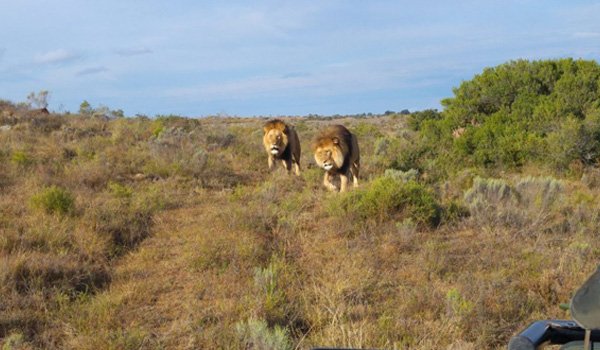

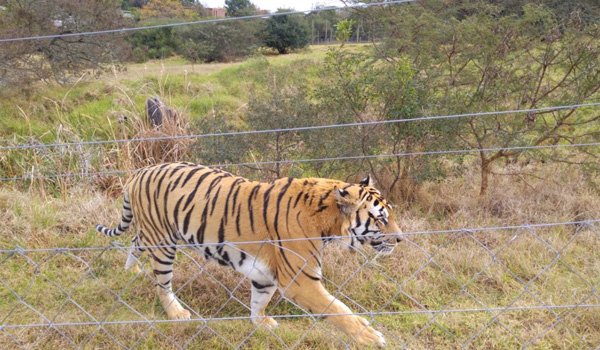


IFRE Volunteers operates a wildlife volunteer program in a Big 5 Game reserve near Port Elizabeth, South Africa, focusing on the conservation of indigenous animals and plant life. Despite the abundance of wildlife in South Africa, the region faces challenges such as poaching and illegal trading, leading to near-extinction levels for some species. The program aims to address these issues through various projects and initiatives.
Your passion for wildlife conservation will make a deep positive impact on the lives of wild animals. Your work will help save species from extinction and improve the chances of survival for injured individuals in rehabilitation. By volunteering with a wildlife conservation project in South Africa, you will be part of the solution these animals and plants need to thrive in their natural environment.
As a passionate wildlife lover, you need to help secure a more promising future for the plants and animals on the brink of extinction in South Africa.
Contact IFRE today to get more detailed information on how you can become a wildlife conservation volunteer in South Africa.
Take a minute to complete the form and we will be in touch.
Wildlife Volunteering in South Africa: At a Glance
Program Objectives
Protect and preserve endangered species
Program Start Dates
Programs begin every Monday
Volunteer Duration
Select from 1 to 12 weeks
Volunteer Commitment
Up to 5 hours per day
Eligibility
Volunteers 18 years and older, including families
Accommodation/Food
Housed in Dorms - 3 Meals/Day
Skills and Qualifications
You do not need any specific skills or qualifications to be part of the wildlife conservation volunteer program in South Africa. All we ask is that you have a passion for working with a wide-range of animals and an interest in wildlife conservation. Those with animal work experience or veterinary experience may be able to offer more help in certain areas, but there is something everyone can do to make a positive impact in the lives of these animals. You should be 18 or older to volunteer.
Volunteer Responsibilities and Impact
This program offers a unique blend of hands-on work in game reserve operations and the chance to witness Africa's iconic Big 5 animals up close. Situated on a stunning 6000-hectare piece of land, the reserve features a diverse landscape with grasslands, sub-tropical vegetation, fynbos, and bushveld. Natural elements like pockets of water, rock formations, and vibrant flora further enhance the picturesque setting.
Volunteers in the South Africa wildlife volunteer program play a vital role in the conservation and preservation of indigenous animal and plant life. The program addresses challenges such as poaching and illegal trading, focusing on various initiatives to safeguard wildlife.
Volunteer Tasks:
- Removal of non-indigenous vegetation
- Animal tracking and monitoring (Lion, Rhino, Buffalo, etc.)
- Tree planting and landscaping to combat erosion
- Wilderness trail hikes and patrols
- Fence and enclosure patrols and servicing
- Game counts and captures
- Assistance with Vet duties
- Feeding predators in rehabilitation
- Support for early morning, daytime, and evening game drives
All activities are conducted under the guidance of a qualified game ranger.
Volunteer Schedule
As someone passionate about volunteering as a wildlife conservationist in South Africa everyday will be unique and rewarding. Working with animals requires a flexible schedule, as some animals may require care early in the morning and at night. You will be placed in groups on a rotating schedule and required to perform two activities per day.
You will be given your daily duties every evening before so you can organize your daily schedule around your tasks. You will have Saturday and Sunday off to explore everything Port Elizabeth and the nearby Grahamstown have to offer.
First Day: On your first day of volunteering in the South Africa wildlife program, you will be escorted to your placement by a local coordinator. They will introduce you to placement staff and help orientate you in the project. You will receive a rundown on the tasks that you will be required to help with, your initial schedule, and any housekeeping and safety advice you may need to know.
Weekdays Schedule: Volunteers engage in activities from Monday to Friday, starting their day at 07:30 am and concluding at 4:30 pm.
Daily Breakdown:
Morning Activities (07:30-09:30 am) : Kickstart the day with various tasks related to the reserve's operations and conservation efforts.
Midday Activities (10:00 am-1:00 pm) : Continue with hands-on responsibilities, contributing to the conservation initiatives within the reserve.
Afternoon Activities (2:00-4:30 pm) : Conclude the day with additional tasks, ensuring active participation in diverse projects.
Coordinator Engagement: Coordinators begin their day at 07:00 am, dedicating the initial half-hour to activities such as feeding horses, tending to the touch farm, or working in the workshop.
Volunteer Flexibility: Volunteers have the option to join coordinators during their morning activities, fostering a collaborative environment.
Schedule Adaptivity : It's important to note that specific activity timings may be subject to change based on the unique requirements of each day.
Dates and Fees
Program Dates
IFRE programs begin every Monday year-round. If you have travel constraints, you can still start your chosen program on any day of the year.
Our Fees
Since 2006, IFRE has been the most trusted and respected volunteer abroad organization in the world, and also the most affordable. We’re dedicated to providing the highest-quality volunteer programs at the lowest fees, making it possible for everyone, especially students, to volunteer internationally and make a positive impact on the lives of others.
We believe in 100% transparency. Rest assured, we never use middlemen. Your one-time registration fee of $299 covers our administrative costs. The low weekly fee is paid directly to your host family and project (via the country coordinator) in the host country and includes housing, food, and minor expenses. IFRE is a non-profit organization, so your program fees are tax-deductible.
South Africa Wildlife Volunteer Program Fee (US$)
| Weeks | Wildlife Projects (Cape Town) |
|---|---|
| 1 Week | $740 |
| 2 Weeks | $1,170 |
| 3 Weeks | $1,600 |
| 4 Weeks | $2,050 |
| 5 Weeks | $2,500 |
| 6 Weeks | $2,950 |
| 7 Weeks | $3,400 |
| 8 Weeks | $3,950 |
| 9 Weeks | $4,400 |
| 10 Weeks | $4,900 |
| 11 Weeks | $5,350 |
| 12 Weeks | $5,850 |
Program Fees Cover:
- Accommodation
- Breakfast on weekdays
- Airport Pick up/Transfer
- Program Orientation
- In-country support
- Personalized project
- Pre-departure information
- Certificate of completion
- Fundraising ideas and letters
- Discount for returning volunteers
Program Fees Exclude:
- Visas
- Lunch and dinner
- Airfare
- Personal expenses on soft drinks and foods
- Daily transportation
- Airport return transfer
Take a minute to complete the form and we will be in touch.
Accommodation and Meal
Volunteers in the wildlife program in South Africa are accommodated in dormitories, with a strict policy of single-sex dorms to ensure individual privacy and comfort. The arrangement prohibits boys from accessing the girls' dormitories and vice versa. In instances where volunteers prefer to stay as a couple, this option is available at an extra cost. However, the feasibility of this arrangement depends on the availability of suitable rooms unless specific arrangements are made before the volunteers' arrival. This policy underscores the program's commitment to providing a secure and respectful living environment for all participants.
Three meals per day are included in the program fee, at the wildlife reserve, 7 days a week. The Volunteer accommodation provides a clean, comfortable, safe and secure living-environment for all our volunteers – the house is strictly used for our program participants and not open to members of the public.
Learn more about Cape Town volunteer accommodation and delicious meals..
Program Location, Free Time, and Weekend Exploration
The Wildlife Conservation Project is based in Port Elizabeth, South Africa, a city known for its stunning coastal landscapes and rich biodiversity. As a volunteer in this project, you will work alongside conservation experts to protect endangered species and support habitat restoration efforts. You will be involved in various activities such as monitoring animal populations, assisting with research, and participating in conservation initiatives that directly contribute to the preservation of wildlife in the region.
During your free time, you can enjoy the natural beauty of Port Elizabeth and its surroundings. From relaxing on pristine beaches to exploring nearby nature reserves, there’s plenty to see and do. You can also visit local wildlife sanctuaries and conservation centers, gaining a deeper understanding of the region’s unique ecosystems. The city's relaxed atmosphere offers a perfect balance between work and relaxation.
On weekends, you’ll have the chance to explore the incredible wildlife and landscapes of the area. Whether it’s taking a safari tour in the Addo Elephant Park, experiencing the beauty of the Tsitsikamma National Park, or enjoying a boat trip along the coastline, your weekends will be filled with unforgettable experiences. Port Elizabeth and its surroundings offer a wealth of opportunities to connect with nature and immerse yourself in South Africa’s rich wildlife conservation efforts.
Learn more about how to spend your free time and weekends in and around Port Elizabeth..
In-Country Support
At IFRE, we put your safety first. We have already provided over 22,000 people with affordable and safe volunteer experiences in over 19 countries since 2006. Rest assured knowing that IFRE has vetted all our projects and checks annually to ensure they still meet our standards. IFRE also offers a Comprehensive Insurance Plan for your peace of mind.
During your volunteer experience, you will be assigned in-country support personnel. They will be available to answer any of your queries, offer immediate assistance if any safety issues arise, and be there to ensure you have a meaningful volunteer experience. In-country personnel will periodically check on you to make sure you are okay, organize your airport pick up, introduce you to local staff, take you through a project orientation, and provide any safety tips you may need to know.
Cultural Immersion Opportunities
Volunteers in the Wildlife Conservation Project in Port Elizabeth will have a unique opportunity to contribute to the protection of South Africa’s wildlife while immersing themselves in the local culture. Volunteers will assist in various conservation efforts, including monitoring animal populations, maintaining natural habitats, and supporting eco-tourism initiatives. This hands-on experience not only helps protect endangered species but also provides a chance to learn about South Africa's biodiversity and environmental challenges.
While working on wildlife conservation, volunteers will have opportunities to explore the local culture of Port Elizabeth and its surrounding areas. From experiencing traditional ceremonies and local crafts to visiting nearby cultural and historical sites, volunteers will gain a deeper understanding of the community’s relationship with the environment. Volunteers may also have the chance to interact with local communities, learn the basics of Afrikaans or Xhosa, and participate in cultural activities that highlight the region’s rich heritage. This project offers a meaningful blend of nature conservation and cultural immersion.
Take a minute to complete the form and we will be in touch.
Volunteer Testimonials
What people say about us
It’s not glamorous like people imagine. There’s routine, responsibility, and a lot of learning, but that’s what made it feel real
- Elliot, UK
Being around wildlife like this makes you rethink your role as a visitor. It’s less about excitement and more about respect.
- Anika, Germany
Some tasks were repetitive, but you start to understand why they matter. It gave me a deeper appreciation for conservation work.
- Ryan, USA
It slowed me down in a good way. You spend more time observing than doing, and that changes how you see things.
- Clara, Austria
Frequently Asked Questions-FAQs
What kinds of animals will volunteer work with in this project?
Volunteers will work with a wide range of South African wildlife, including antelope, primates, birds, reptiles, and native small mammals. You will also support rehabilitation and care for injured or orphaned animals. You will get an opportunity to see the Big 5 animals of Africa, first-hand!
Do I need prior experience to join a wildlife volunteer program in South Africa?
No. Prior experience is not required. Most wildlife programs are open to volunteers from all backgrounds, especially if you have a passion for nature and conservation. Training and guidance are provided on site to help you succeed in fieldwork and animal care activities.
What conservation activities do volunteers participate in?
Volunteers take part in activities such as wildlife monitoring and tracking, habitat restoration, data collection for research projects, assisting with feeding and care routines, and community outreach about conservation. Volunteer work helps protect wildlife and support long term environmental sustainability.
How long do wildlife volunteer placements last in South Africa?
Volunteer placements typically range from 1 to 8+ weeks, depending on your schedule and the project’s needs. Longer stays offer more opportunity to build field skills, deepen conservation knowledge, and form meaningful bonds with wildlife and local communities.
Where are wildlife volunteer projects located in South Africa?
The wildlife volunteer project is located 45 minutes from Port Elizabeth. This location offers close interaction with wildlife habitats and allows volunteers to contribute directly to research and conservation efforts in natural environments.
What does a typical day as a wildlife volunteer look like?
A day as a wildlife volunteer with IFRE begins around 07:30 AM and finishes at approximately 04:30 PM, from Monday to Friday. The day starts with a brief briefing from the project coordinators, during which volunteers are assigned their tasks for the day.
Is South Africa a good destination for wildlife conservation volunteering?
Yes! South Africa is one of the best wildlife volunteering destinations in the world, with unique biodiversity, abundant wildlife reserves, and urgent conservation needs, making it a top destination for wildlife volunteers.
Are there age restrictions for wildlife volunteering in South Africa?
Yes. Volunteers should be at least 18 years old to participate independently. Younger participants can volunteer when accompanied by an adult. If you are 16 or 17 years old, you can also volunteer with written consent from your legal guardian.
Do wildlife volunteer projects help endangered species?
Yes. You will be protecting endangered or vulnerable species through monitoring, habitat improvement, and community education. Your contributions help strengthen conservation systems that protect animals at risk of extinction.
Will I receive training during the wildlife volunteer project?
Yes. All volunteers with IFRE will receive orientation and ongoing guidance from conservation staff to learn important field techniques, safety practices, wildlife-handling protocols, and ethical research methods.
Is it safe to volunteer with wildlife in South Africa?
Yes. Safety is our priority. Projects provide orientation on interacting with animals, field safety procedures, and emergency protocols. Coordinators ensure that volunteers understand how to respect wildlife boundaries while protecting their own well being.
What accommodation is provided for wildlife volunteers?
You will be housed in dorms. The dorms are single sex dorms; no boys are allowed in the girls’ dorms, and no girls in boys’ dorms. In cases where volunteers want to stay as a couple, this can be arranged at an extra cost and depends on room availability, unless arrangements were made before arrival.
Are there opportunities for wildlife photography or field documentation?
Yes! Our volunteers have the chance to document wildlife sightings, field conditions, and research data, sometimes through photography or journaling. These materials are often used for project reporting or community awareness campaigns, providing valuable documentation of conservation work.
Can I volunteer for a short term in the wildlife volunteer project in South Africa?
Yes. Short term placements of 1 to 2 weeks are available for volunteers with limited time. You will gain exposure to real conservation work, helping you contribute meaningfully to wildlife protection efforts.
Can group volunteers participate in the wildlife project?
Yes. Groups of students, friends, or family volunteers are welcome. Group participation enhances teamwork, shared learning, and support during fieldwork.
What meals are provided for volunteers?
Your breakfast typically includes cereals, bread, butter, jam, cheese, tea, and coffee. On some days, you may also be served eggs, sausages, baked beans, or a combination of these items, offering a hearty start to your day. For lunch and dinner, there is a wide variety of options to enjoy. Meals can include dishes such as burgers, chicken with chips, vegetarian options, potato casseroles, and more. The portions are generous, so you can be sure you won’t go hungry during your stay.
Are travel and health insurance required for wildlife volunteers?
Yes. Volunteers are strongly advised to have travel and health insurance that covers field activities. Insurance protects you in case of medical issues, trip changes, or emergencies during your time abroad.
Will I interact with local conservation professionals?
Yes. Volunteers work closely with local conservationists, park rangers, field biologists, and community educators. You will have the opportunity for mentorship, real-world insight, and networking within the conservation field.
What is the best time of the year to join IFRE’s wildlife volunteer project in South Africa?
Wildlife projects operate year round, but activity levels vary by season. Summer months (Nov–Mar) often bring more wildlife sightings and warmer field conditions, while winter months (Jun–Aug) can offer unique bird migrations and cooler work environments.
Will I have free time to explore South Africa’s natural attractions?
Yes. You will have weekends and evenings free to explore and perform leisure activities.
Why Volunteer in the Wildlife Conservation Project in Port Elizabeth with IFRE?
Trusted Since 2006 – Join a global community of volunteers who trust IFRE for safe and impactful conservation efforts.
Affordable Conservation Experience – At $740 per week, make a difference in wildlife conservation without breaking the bank.
Safety and Support Guaranteed – Enjoy peace of mind with secure housing and full support throughout your volunteer journey.
Protect Endangered Species – Contribute to hands-on conservation efforts aimed at preserving South Africa's unique wildlife.
Assist in Critical Research – Aid in vital studies and data collection to support sustainable conservation practices.
Conserve Nature’s Wonders – South Africa wildlife conservation volunteer project allows you to play a key role in preserving the environment for future generations.
Volunteer Programs in South Africa
No matter what your passion for volunteering is, IFRE offers a variety of volunteering opportunities, such as volunteer English teaching, sport and physical education program, social welfare, sport coaching, and social welfare in South Africa.
Volunteer Destinations
Wildlife Conservation Volunteer Opportunities in Other Countries
Take a minute to complete the form and we will be in touch.
