

Specializing in:
Summer:
Africa:


 NO specific skills or qualifications are required. However, some kind of teaching certification or education degree is appreciated. A major in science, math or computer oriented classes is also preferred if you have no teaching education/credentials. Interns must have passion and interest to help children and improve their education.
 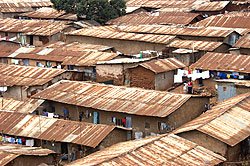 IFRE manages living accommodations, provides meals and supervision for interns for the entirety of their stay in Kenya . During the Internship period, most interns stay in our safe and secure Nairobi homebase. IFRE's Nairobi homebase is located in a beautiful area nearly 30 km from the Nairobi (Jomo Kenyatta) International Airport in the Thome 1 Estate in the Kasarani division of Nairobi . The estate is very safe and manned with onsite security. It is a clean, sparsely furnished home but will meet all your needs as an IFRE intern. It is close to the local bus station.
In the Thome 1 estate you can see beautiful British style houses that belong to some wealthy families of Kenya . Many business families, high ranked government officials and people with high social status live in this village. The nearby local bus (matatu) station is only one km away from the homebase and it is easily accessible by walking. This matatu runs to downtown Nairobi and it is approximately 15 km from IFRE's homebase in the Kasarani division. The matatu (van/bus style taxi) fare should be approximately $1 one way. Useful amenities within 2 km of the IFRE homebase are an internet café, restaurant and supermarket. The local police station is also located within approximately 2 km from the IFRE homebase.
Occasionally, depending on intern traffic, available projects or distance to an intern's assigned project, we may also place our interns with carefully pre-screened host families. Our host families are socially respected and are experienced with hosting international interns. They have strong interest in our interns' safety and well-being and demonstrate this with caution and care. In most host family situations, interns will share a room with another intern of the same gender. Another viable option is an at-orphanage stay. Many orphanages in Kenya have set aside special rooms to house international interns. Interns who have stayed with a host family or at an orphanage describe an enriched experience because of having done so. Once you have applied for program placement, you will find the specific details of your accommodations in your personal placement documents for your project interns are provided three meals a day. Kenyan foods include ugali - a porridge-like mash made from corn meal; chapatti - bread similar to a tortilla made from wheat flour; irio - a mash of corn, beans, greens and potatoes; rice. Due to monetary constraints, for the interns who arrive earlier or who want to stay longer, it is impossible to offer extra accommodation or food.


